



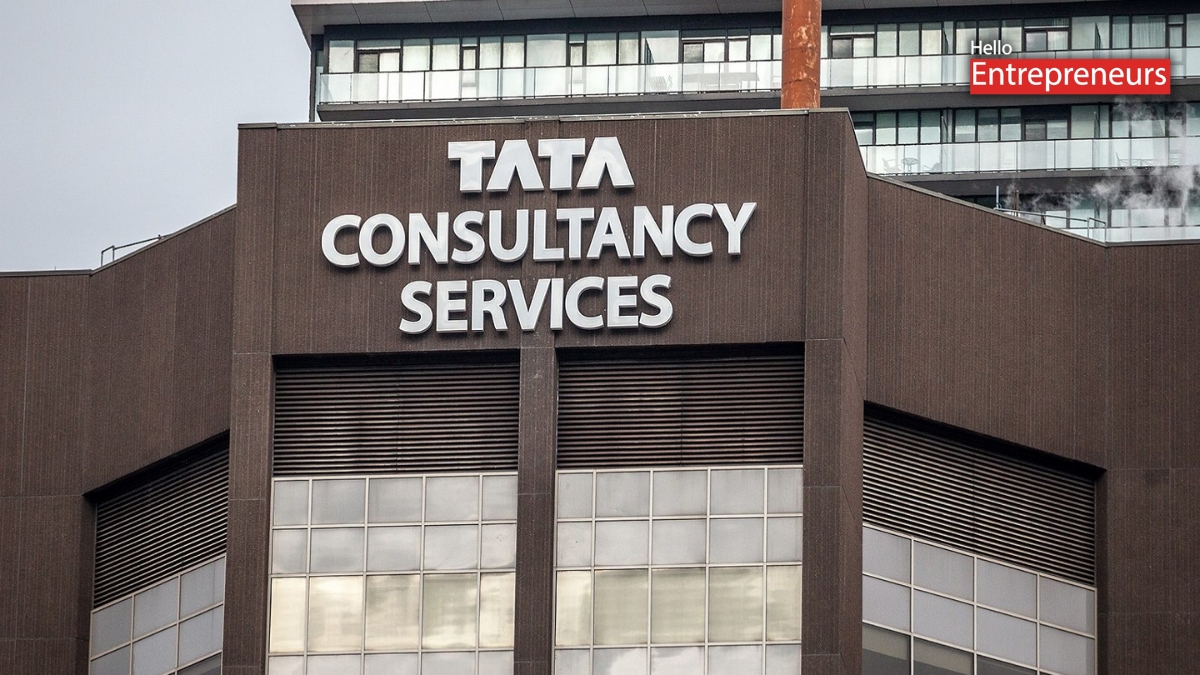
New Delhi: Nearly 6 lakh employees are joining Tata Consultancy Services (TCS) on a new Digital User Experience Monitoring tool on their laptops that the company has reportedly started deploying. The shift has raised questions regarding employee privacy, surveillance at the workplace, and the balance between security and surveillance of employees.
The monitoring software is said to be capable of recording employee information regarding the use of their company’s laptop. This includes details such as which applications are accessed and how much time is spent on different applications. The technology is, in general, to provide organizations with a deeper understanding of the digital experience of their employees and detect potential technical and security problems.
Why is TCS using the monitoring tool?
Cybersecurity is one of the potential reasons for deploying. IT companies like TCS have to deal with sensitive customer information and work on systems that need robust security measures. Organisations can use monitoring to detect abnormal behavior, minimize the threat of data breaches, understand system usage, and more by keeping an eye on the actions of employees on their work devices.
Such monitoring tools are also said to be commonplace in large organisations. Businesses can leverage them to identify technical issues, optimize system performance and ensure that business devices are being utilized safely.
But, the question has grown more sensitive given TCS’ size of employees. Even a modest monitoring can encompass a lot of workplace data, as the tool is being rolled out on almost 6 lakh employees’ laptops.
Why are employees concerned?
The biggest concern is not simply the use of monitoring software, but what information is collected, why it is collected and who can access it.
TCS has not publicly disclosed the software’s name, the software vendor, the extent of information it is able to capture and which teams in the company have access to this information, the report said. There has been a lack of clarity that has fueled staff concerns and questions about transparency.
However, there’s a crucial distinction between people watching a company’s IT security and people watching the individual employee. For instance, determining whether a laptop has malware is most certainly a security function. Measuring the amount of time an employee spends using the application might not be interpreted the same way, particularly when used as a way to evaluate employee performance.
Security or surveillance?
It’s too early to say that the TCS move is nothing more than employee surveillance. There are no reports that indicate the company is using the tool for continuous monitoring of employees for performance or discipline.
Rather, the development brings a new work discourse to the fore. Businesses are looking for more control of their digital systems as more employees operate in remote locations—or from borrowed devices outside of their office. Meanwhile, workers are seeking reasonable levels of privacy and transparency of how their work-related data is collected and used.
Clear communication is going to be essential to helping to ease some of these concerns for TCS. Providing clarity in the purpose of the tool, data gathered, duration of data storage and who has access should more clearly explain the use of the technology.
The TCS case illustrates the delicate balance that a company can’t cross between security of its business systems and employee surveillance. The technology could be a security solution but the implementation and communication of that security solution is what will make the difference for employees between security and workplace surveillance.

