



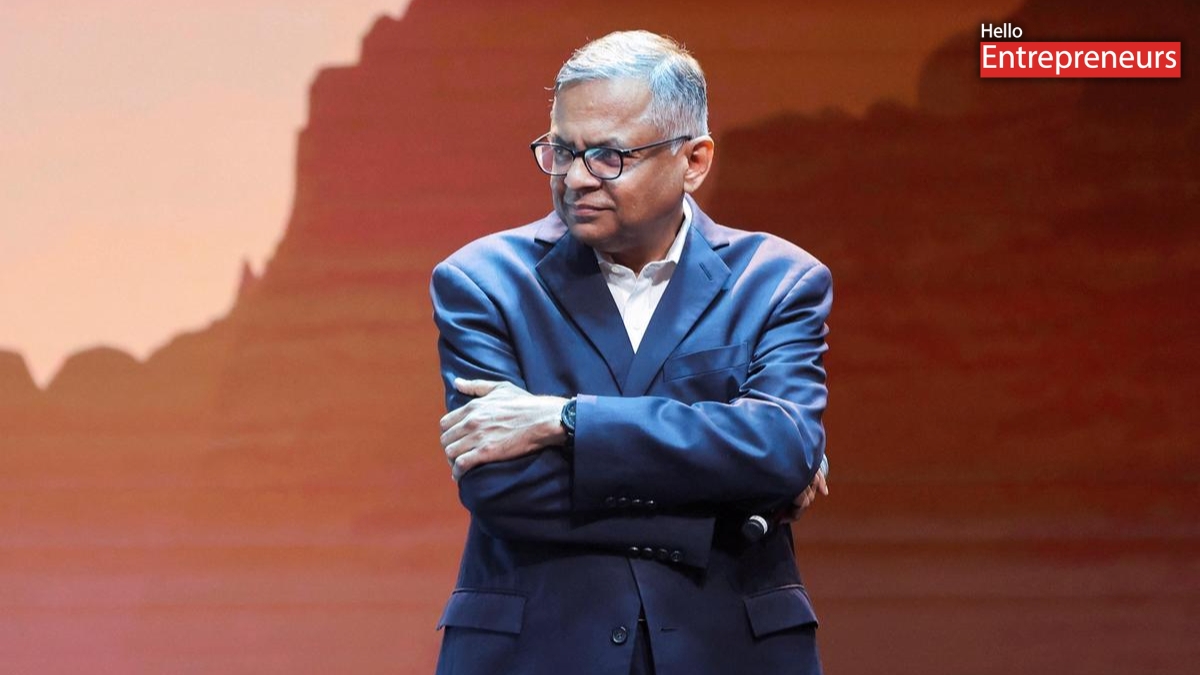
New Delhi: The Tata Group’s holding company has been bedeviled by months of behind-the-scenes wrangling over the reappointment of its chairman, N. Chandrasekaran, before the former relented and announced his official departure.
The story began in September 2025, when Tata Trusts, which own about 66% of Tata Sons, gave their approval for a third five-year term for Chandrasekaran. That was very unusual, as the top officials of the Tata Group are supposed to retire once they reach the age of 65, and Chandrasekaran was expected to do the same at February 2027. The Trusts chose to exercise provisional wisdom on this one, explaining they wanted to maintain a continuity of leadership as they finish major tasks such as Air India’s turnaround and the semiconductor and electric vehicle battery projects.
But the plan, which had come for formal approval to the board of Tata Sons in February 2026, met a stumbling block. One director opposed the extension and as it had to be agreed upon by everyone it could not be passed. Later, it was been reported that Noel Tata, chairperson, Tata Trusts, had recently expressed its concerns and had requested a commitment from Tata Sons not to get listed. Chandrasekaran reportedly stated that he could not give that guarantee, opting to give a break instead of pressing his decision.
The situation was unresolved for six months. In August 2026, ahead of the Annual General Meeting of the company, Chandrasekaran announced that he would not necessarily stand for re-election. He referred to the leading Tata Sons as “a great honour and a very heavy responsibility” in his message, outlining the reasons for the “long uncertainty” to become difficult for a company involved in the handling of many important projects at the same time.
In 2016, Chandrasekaran first appeared on the Tata Sons board and became chairman in 2017 upon the departure of Cyrus Mistry. During his tenure, he led the group in a legal battle with Mistry and presided over the acquisition of Air India, while boosting the group’s revenue by almost doubling it. He is currently serving a 10-year term that expires on Feb. 20, 2027.