



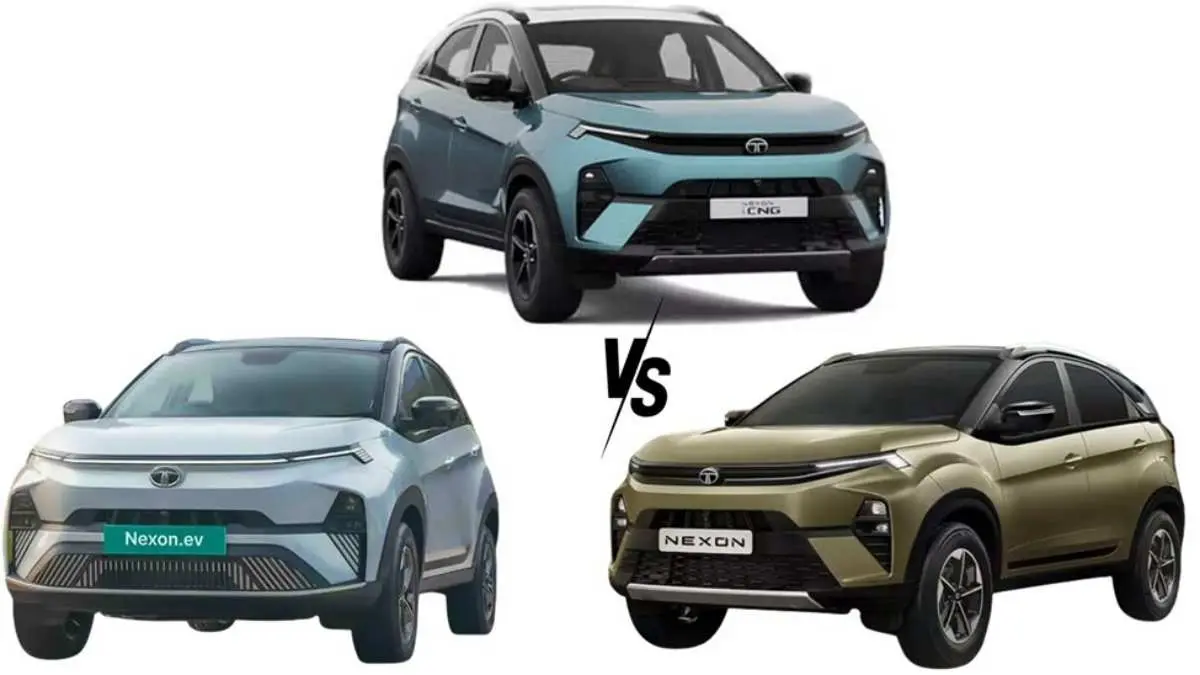
So, how do you figure out which version is right for you? It all depends on your daily routine, budget, and what kind of driving experience you actually enjoy.
Let’s Start with the Basics
Each version of the Tata Nexon carries the same strong design and safety DNA. The differences lie mostly under the hood, and how that affects performance, cost, and convenience.
If you’re looking for quiet power and future-forward tech, the electric variant might catch your eye. Prefer a low-maintenance drive and don’t want to worry about charging stations? Petrol could be your thing. And if your focus is purely on saving fuel money, the CNG variant gets the job done.
Driving Experience: What’s It Like on the Road?
Let’s not get into numbers just yet. Think about how you drive.
Take the Tata Nexon EV, for instance. When you press the accelerator, it responds instantly. No gear shifts. No delay. It just goes. It’s smooth, nearly silent, and surprisingly fun in city traffic. You won’t miss the vibration of a petrol engine – in fact, you’ll likely enjoy the calm.
The petrol variant feels familiar. Something about a revving engine and gear shifts still appeals to many drivers. It works well for short trips, long weekends, and everything in between.
Now, the CNG model. It’s not going to win drag races, but it’s dependable. You’ll get a no-fuss drive that’s ideal for daily office runs or dropping the kids off at school. It’s efficient and makes sense if you’re driving a lot and want to spend less on fuel.
How Do the Costs Add Up?
This is where things get interesting. The Tata Nexon EV will cost more upfront, sure. But if you’ve got access to a home charging setup, the money you save every month could make up for that difference within a few years. Electricity is cheaper than petrol or CNG per kilometre, especially if you’re driving over 30-40 km a day.
Petrol is the easiest. No planning needed. Just top up at any station and you’re good to go. But you’ll definitely feel the pinch at the pump if you cover long distances regularly.
CNG is a saver’s delight. If your city has good CNG infrastructure, this variant can really help you cut fuel costs. However, do keep in mind that queues at CNG stations can be frustrating during peak hours.
Features and Cabin Experience
This one’s important because many people don’t test drive all variants. They pick based on hearsay. But features really do vary.
If you sit in the Tata Nexon EV, especially the higher trims, it feels like a car from the future. The dashboard is fully digital, the infotainment screen is wide and clear, and even the gear selector feels like something from a gaming console. You get wireless phone features, ventilated front seats, and even an air purifier with AQI readings.
In comparison, petrol variants still feel modern, especially the top trims. However, the layout leans more towards traditional buttons and simpler interfaces. Still, they get things like auto climate control, rear AC vents, and cruise control—all the practical bits.
CNG variants, while built on the petrol base, usually come with fewer bells and whistles. That’s not a bad thing if you’re not fussed about tech-heavy cabins and just want a reliable, fuel-efficient car.
Charging vs Refuelling: What’s More Convenient?
There’s no denying it – charging takes longer than filling up a tank. The Tata Nexon EV can charge at home overnight, which is perfect if you have a fixed parking space. Fast chargers can top it up in under an hour, but they’re still not as common as petrol stations.
CNG and petrol cars have the clear edge when it comes to refuelling time. You can pull in, fill up, and drive off in five minutes—no waiting around.
That said, if your routine is predictable and you drive mostly in the city, charging overnight might not be a problem at all. In fact, it’s as easy as plugging in your phone before bed.
Safety – Something Tata Doesn’t Compromise On
One thing that stands out across all variants of the Tata Nexon is safety. Whether it’s an EV, petrol, or CNG, the car is built tough. The electric version adds some extras—like a 360-degree camera, blind spot monitor, and hill assist—but even the others offer six airbags, ABS, and strong crash protection.
Tata’s track record in safety is one reason Nexon has done so well with Indian families.
Is It Really Worth Buying Electric?
It’s a fair question. The initial price of the Tata Nexon EV is higher than the petrol or CNG versions. But let’s break that down.
You pay more at the start, but in return, you get:
● Lower running cost per kilometre
● Minimal maintenance
● Smooth, refined drive quality
● Government subsidies in some states
● Access to EV-only perks like silent zones and green number plates
If you keep cars for more than five years and have a regular driving pattern, it’s definitely worth considering.
On the other hand, petrol offers the least fuss. No need to think about chargers or station availability. It’s ready to go, any time.
CNG is for those who want savings above all else. It works beautifully for people in cities like Delhi, Mumbai, or Ahmedabad, where CNG is widely available and reasonably priced.
What About Warranties and Support?
Tata’s warranty on the Nexon EV battery pack is one of the best. You get a 15-year coverage (for the first owner), which is a huge confidence booster. The motor also has extended coverage. Petrol and CNG versions come with a standard vehicle warranty, reliable but shorter in comparison.
Service centres across India now support all three powertrains, so maintenance and support are accessible regardless of your choice.
Final Word: Choose What Fits You Best
If you want the latest tech and plan to keep the car for a long time, the Tata Nexon EV feels like the smarter, future-ready option. It’s refined, packed with features, and increasingly practical as EV infrastructure grows.
On the other hand, if you need an all-purpose car that can go anywhere and you don’t want to think about charging, the petrol version still does its job well.
And if your priority is cutting daily fuel expenses and you don’t mind the occasional wait at a station, the CNG version can help you save big.
The good news? No matter which one you pick, you’re getting a Nexon – and that means solid safety, smart styling, and a drive that feels made for India.

