



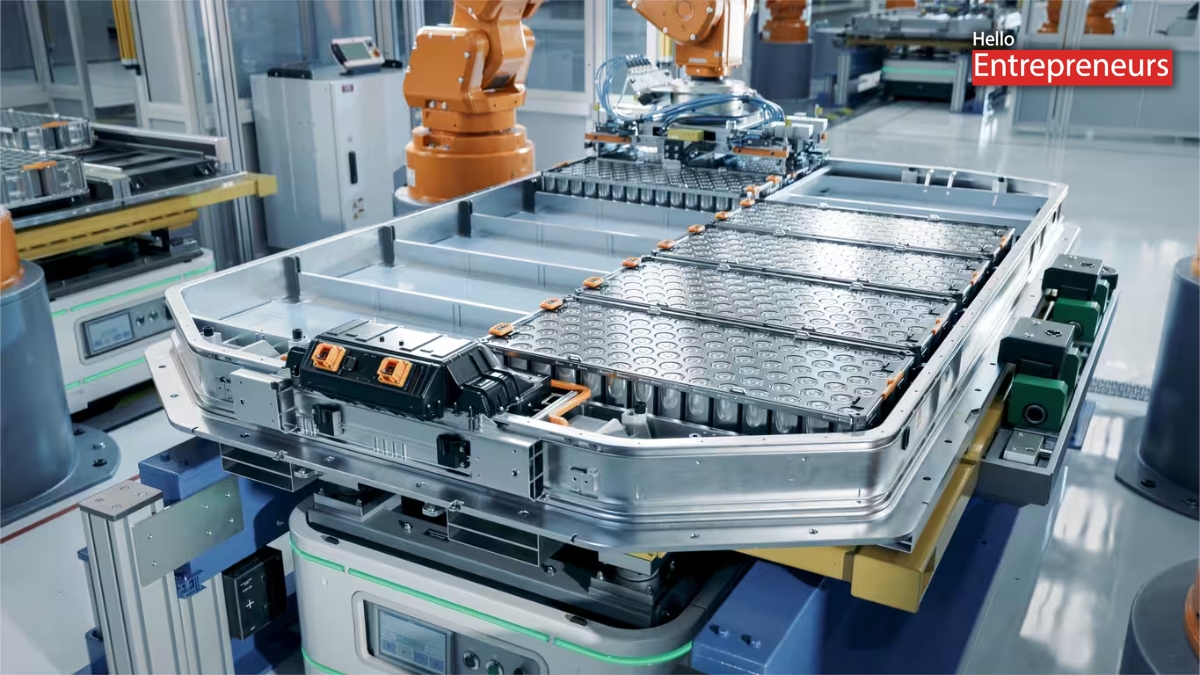
New Delhi: The Tata group is making good strides in increasing India’s self-reliance in the production of Electric Vehicles (EV) battery. By now the company’s battery business, Agratas is getting ready to produce Lithium-ion battery cells using its own technology, not relying on foreign partners. The move is a logical measure by China of restricting battery technology exports in order to encourage companies globally to build their own technology.
Tata Group affiliate Agratas, its battery division, has spent a considerable amount of money on research and development to develop new battery technologies on its own. Tata Group is investing in two types of battery chemistries lithium iron phosphate (LFP) and lithium manganese iron phosphate (LMFP) that are popular in energy storage systems and Electric Vehicles due to their safety, performance, and reduced manufacturing expenses.
The company is also working on its own battery technology, which will help it minimize reliance on foreign suppliers, particularly China, which currently controls the production of lithium batteries in the world, Tatyanas reported. Also developing its own lithium battery technology will help Tata’s reduce reliance on foreign suppliers, particularly China which dominates the lithium battery supply chain, Tatyanas reported. It will also enable the company to have more control on battery quality, battery costs and innovation in future.
Agratas is constructing a massive battery manufacturing facility at Sanand, Gujarat that has been set to be one in the largest production of lithium-ion batteries in India. The batteries manufactured by this factory will be mainly utilized by Tata Motors for its expanding range of electric vehicles. The company also intends to sell batteries for energy storage applications and other customers around the world in the future.
It’s part of a broader trend by Indian companies seeking to establish local batteries plants. Companies are spending billions of dollars to cut down on importing technology, and as there is a lot of uncertainty in global supply chains, local manufacturing is encouraged by the government.
Over in India’s burgeoning electric vehicle industry, industry experts believe that having battery technology can be a major coup for Tata. Electric vehicle batteries are the costliest component of the car, and the local manufacture of these batteries could reduce the cost of EVs and enhance supplies security.
The project also contributes to the broader efforts of India to pioneer electric mobility and clean energy production in the country. Several incentives have been presented by the Government to encourage the production of Battery cells in the country, major companies are investing in it.
Developing new technology for batteries is a lengthy and difficult task but with investments in R&D and manufacturing, Tata’s support to the battery industry highlights its long-term strategy. The company could help India build its competitiveness in the battery business and also help India transition to more environmentally sustainable transportation if successful.
The choice of the company to opt for its own battery technology could very well be a significant milestone towards establishing a more robust and native electric vehicle ecosystem, both in India and internationally.

