



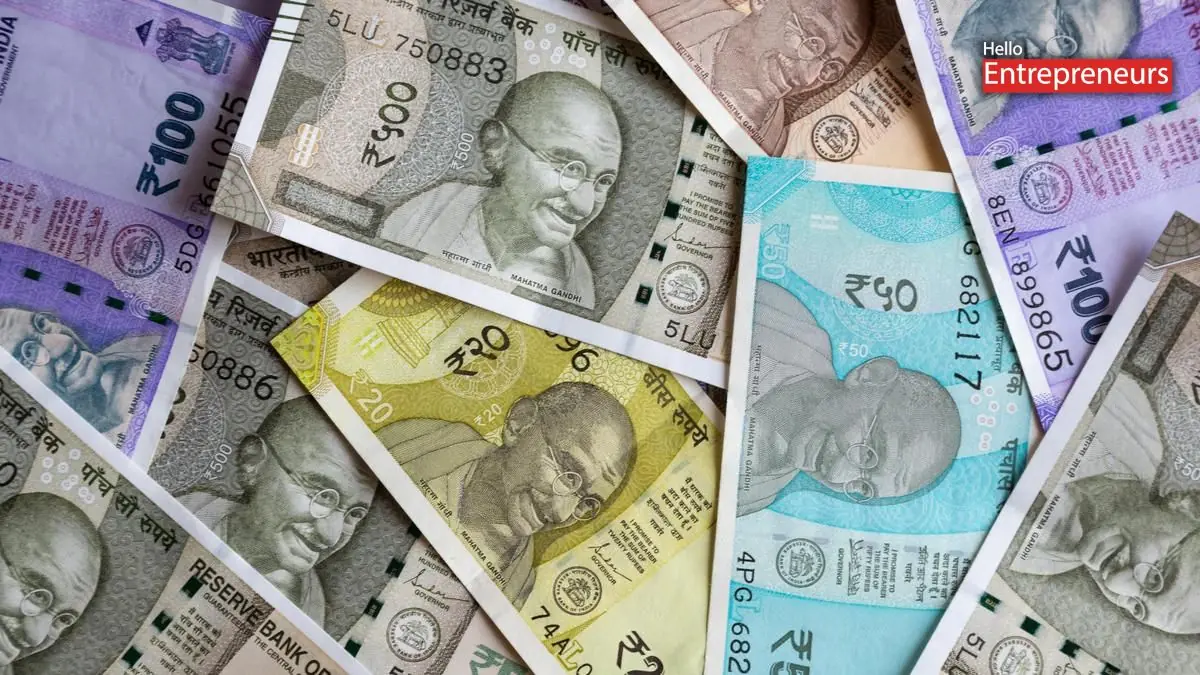
New Delhi: The Indian rupee has turned out to be Asia’s worst-performing currency of the year, a fact that raises concern for traders, importers, and even everyday consumers. For several months in a row, the rupee has slid downward due to global investors pulling out money from emerging markets and shifting it to safer assets like the US dollar.
The strong US dollar is the single most powerful reason for the rupee’s fall and it has just become stronger following the hint by the US Federal Reserve to continue with high interest rates for a longer period. When the dollar gains strength, most Asian currencies start weakening as global investors prefer putting money in the American market.
India has also witnessed the outflows of foreign funds, mainly through the stock market. This is because, when the foreign investors sell Indian shares or bonds, they convert rupees into dollars, increasing the demand for dollars and pushing the rupee down even further.
Another factor that affects the rupee is the high price of crude oil. India imports most of its oil, and each time oil prices go up, India’s import bill rises. This, in turn, puts additional pressure on the rupee because more dollars are required to pay for these imports.
A falling rupee also affects the common people. The imported items include electronic goods, smartphones, luxury products, and even foreign travel. Even students going to study abroad feel the pinch since they have to spend more rupees for tuition fees and living costs.

