



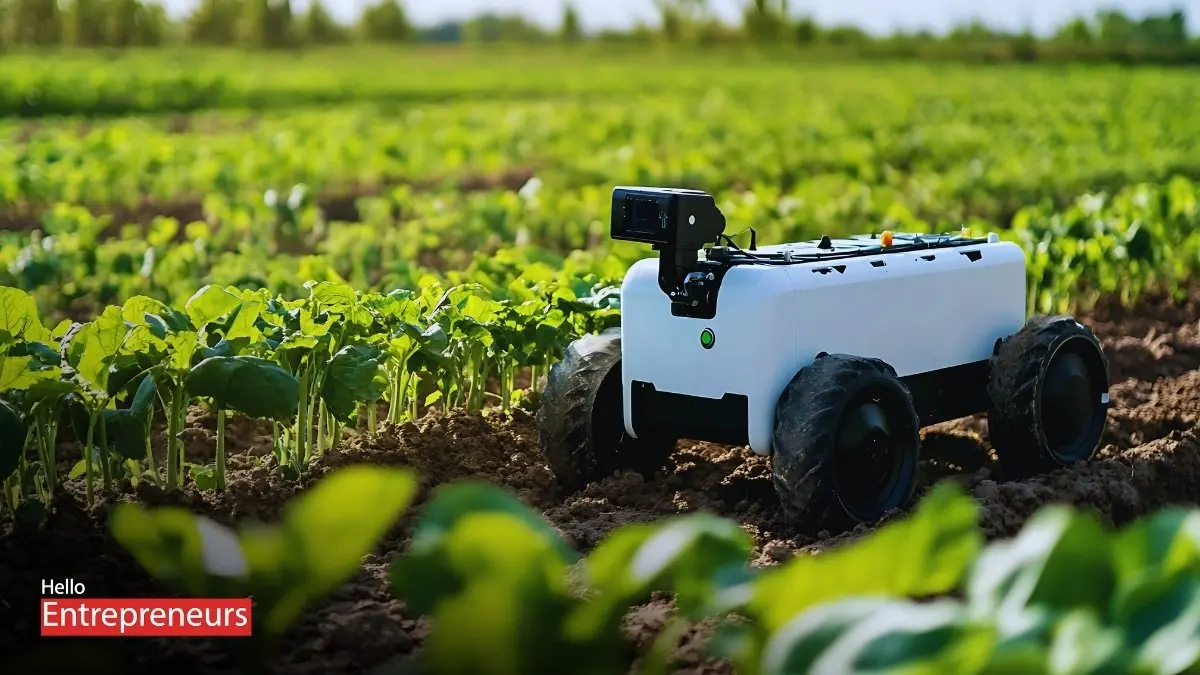
Mumbai: Robotics startups aren’t playing sidekick anymore. With $6 billion raised in just seven months of 2025, the industry has officially moved from hype to heavyweight.
A Decade of Hard Lessons Pays Off
Ten years ago, robotics founders were pitching into a void. Investors didn’t see a business, just science projects. Seth Winterroth of Eclipse Ventures remembers it well: most robotics talent came straight out of MIT or CMU, only to be ignored by Silicon Valley.
Now? The money is flowing. Why? Cheaper hardware, smarter playbooks, and an investor class that finally sees robots as more than toys.
The Kiva Effect
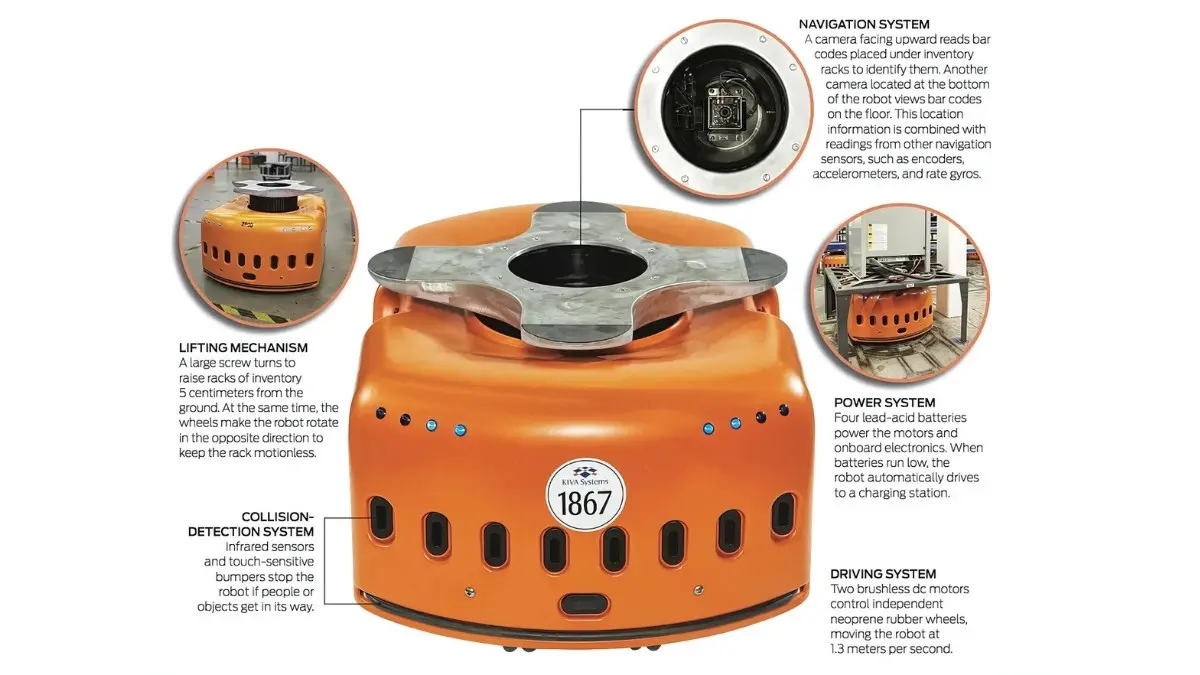
The real turning point came in 2012, when Amazon scooped up Kiva Systems. That one deal sparked a generation of robotics startups tackling warehouses and factories. Winterroth called it “the acquisition that launched 1,000 robotic startups.”
Sure, plenty crashed. But each failure left behind scar tissue and data. Companies like 6 River Systems and Clearpath Robotics showed what survival looked like.
Why Robotics Startups Are Thriving Now
Today’s robotics surge isn’t magic. It’s math and timing:
- Falling hardware costs. Sensors, batteries, and processors now cost a fraction of what they did five years ago.
- Mature markets. Manufacturing, healthcare, and logistics know precisely what they want.
- Investor confidence. With $6B already banked this year, VCs aren’t guessing anymore.
- AI as a sidekick. More innovative training and automation, but not the whole story.
As Fady Saad of Cybernetix Ventures put it: “Advances in sensor technology, compute, and batteries made it perfect for full-stack robotics solutions.” Translation: the pieces finally click.
Failure Made the Industry Stronger
Remember Rapid Robotics? Shut down after missing product-market fit. Classic. But even that “failure” taught the sector that chasing full automation, lights-out factories with no humans, was a fantasy.
Kira Noodleman of Bee Partners nailed it: “The sweet spot lies in automating repetitive, low-hanging tasks.” In other words, robots that help, not replace.
Hot Markets on Fire
Where’s the action now? Everywhere, labour is scarce, risky, or expensive:
- Manufacturing & Warehousing. Robots are performing tasks such as machine tending, packing, and moving. Solving labour shortages, not just cutting costs.
- Healthcare & Eldercare. Surgical robots are getting sharper. Eldercare bots are filling gaps in ageing societies. India should take notes here. With our demographic shift, robotics could be the difference between chaos and care.
- Construction & Mining. Dangerous jobs meet robots that don’t get tired or hurt.
Noodleman summed it up perfectly: “Even imperfect robotics is better than nothing when labour shortages make human workers unavailable.”
The Humanoid Hype Check
Everyone loves a humanoid demo video. Investors? Not so much. Consumer robotics graveyards are full: pool cleaners, lawn mowers, the works. Only iRobot has lasted, and even they never found a strong second act.
For now, robotics startups are winning by staying vertical, not trying to build C-3PO.
The Road Ahead
The bottom line? Robotics startups have crossed the line from “maybe” to “must-have.” From logistics to hospitals, industries are done asking if they need automation. The only question is how fast.
As a wiseman put it: “Ten or 15 years ago, it was questionable whether there would be a thriving market for robotics startups. Today, customer awareness and demand are undeniable.”
And $6 billion in 2025 alone proves it.
–
India needs to stop drooling over humanoid prototypes and start investing in the boring-but-brilliant robotics that actually work. Surgical bots. Warehouse bots. Eldercare bots. These are not gimmicks; they’re survival tools in a country with a labour crunch in healthcare and logistics. Our investors often chase shiny AI apps that vanish in two years. Meanwhile, robotics startups abroad are pulling in $6 billion in 6 months. That’s not hype, that’s execution.
We can either play catch-up later or start funding the robots that will run our hospitals, factories, and supply chains. The choice is ours. And it’s obvious.

