



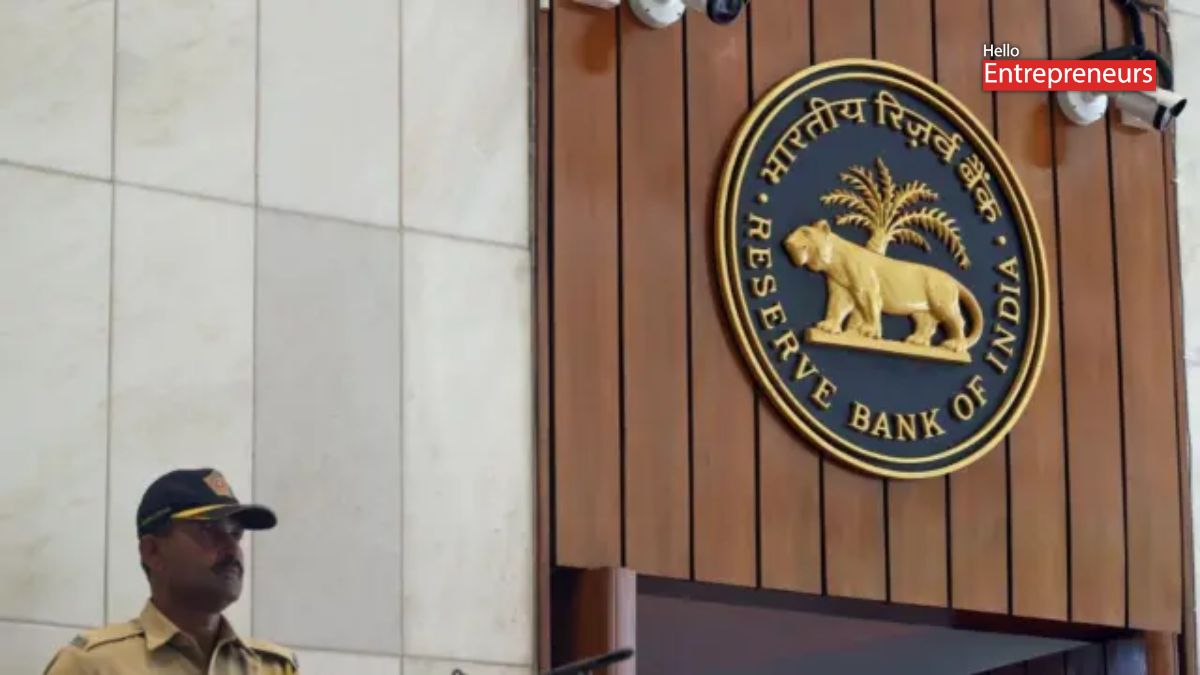
New Delhi: India’s banking system is facing an unusual liquidity situation. The Reserve Bank of India (RBI) is moving aggressively to absorb surplus cash after liquidity in the financial system rose to unusually high levels. Recent estimates put the surplus at around ₹6.65 lakh crore, creating a major challenge for the central bank as it tries to keep short-term interest rates stable.
The situation is closely linked to a sharp increase in foreign-currency deposits. Large inflows into FCNR(B) deposits have brought substantial foreign money into India’s banking system. According to recent estimates, the RBI may need to drain as much as ₹6–7 lakh crore of excess liquidity within a short period.
For the average consumer, “liquidity” may sound technical, but its impact can be significant. When banks have too much cash, overnight and short-term borrowing costs can fall. This can make it easier for banks to lend money and can support credit growth. However, an excessive surplus can also push market rates away from the RBI’s preferred operating range.
The RBI has therefore been using tools such as variable-rate reverse repo operations and other liquidity-management measures to absorb the excess money. In one recent round of operations, the central bank absorbed ₹3.74 lakh crore through two short-term auctions.
The current situation is also different from a traditional liquidity shortage. Earlier in 2026, the RBI had been taking steps to ensure that banks had enough funds to support lending and economic activity. The central bank’s April policy assessment showed average system liquidity surplus of ₹2.63 lakh crore after the previous Monetary Policy Committee meeting.

