



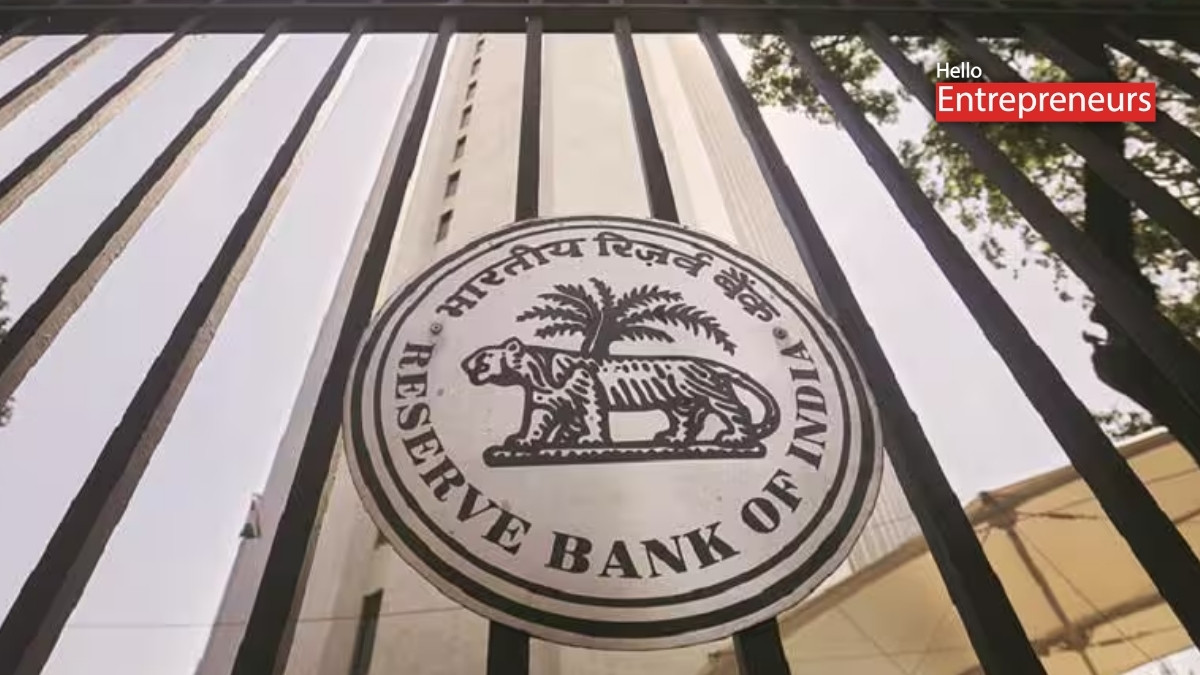
NEW DELHI: The Reserve Bank of India’s appointment of Sudhakar Malli as Executive Director comes at a time when supervision of banks and other regulated financial institutions remains an important part of maintaining stability across India’s financial system. Effective October 1, 2026, Malli will oversee the Department of Supervision (Supervisory Assessment), according to the RBI.
The appointment moves Malli into the RBI’s senior leadership after he served as Chief General Manager-in-Charge of the Department of Supervision. His new responsibility covers the supervisory assessment function, which forms part of the RBI’s wider oversight of regulated financial entities.
For the banking industry, the significance of the appointment lies less in a change of policy and more in the continuity of the RBI’s supervisory framework. The central bank has not announced any specific new regulatory initiative or priority alongside Malli’s appointment. Instead, his mandate remains focused on the Department of Supervision (Supervisory Assessment).
Why banking supervision matters
India’s financial system includes commercial banks, NBFCs and co-operative banks, making supervisory oversight an important part of the regulatory structure. These institutions operate through different business models and serve different parts of the economy, from retail customers and small businesses to larger corporate borrowers.
The RBI’s supervisory framework is designed to monitor regulated entities and assess their financial and operational position. For the industry, this creates an ongoing regulatory process through which financial institutions are expected to operate within the central bank’s prescribed framework.
Malli’s new assignment covers this supervisory assessment function. His previous experience in the same department gives him direct exposure to the area he will now oversee at the Executive Director level.
Extensive exposure to financial-sector supervision
Malli has around three decades of experience at the RBI, with more than two and a half decades spent in the supervision of banks, non-banking financial companies and co-operative banks. He has also worked in supervisory roles in overseas jurisdictions for around five years and has experience in Currency Management.
That experience spans several segments of the financial system rather than being limited to conventional banking. It is particularly relevant to the Department of Supervision because the function involves oversight across different categories of RBI-regulated institutions.
His move from Chief General Manager-in-Charge to Executive Director therefore represents a continuation of his work in financial-sector supervision, rather than a shift into an unrelated area of the central bank.
Focus remains on supervisory assessment
The RBI has not indicated any additional mandate for Malli beyond his responsibility for the Department of Supervision (Supervisory Assessment). This is important because the appointment itself should not be interpreted as the announcement of a new regulatory framework or a change in banking policy.
Instead, the immediate focus remains on the existing supervisory structure covering regulated financial institutions. For banks, NBFCs and co-operative banks, the department forms part of the institutional framework through which the RBI carries out its oversight responsibilities.
Malli holds a B.Tech degree in Mechanical Engineering and is a Certified Associate of the Indian Institute of Bankers (CAIIB).
The appointment also comes alongside other recent changes in the RBI’s Executive Director-level structure. The central bank appointed Suman Ray as an Executive Director in September, while Monisha Chakraborty was appointed to the position in August, with responsibilities covering different areas of the RBI’s operations.
With Malli taking charge of Supervisory Assessment, the RBI’s existing oversight structure will continue under an official with extensive experience across banks, NBFCs and co-operative banks. For the financial sector, the key focus will remain on how supervisory assessment is carried out across regulated entities as the banking and broader financial ecosystem continues to evolve.

