



New Delhi: The packaged food and beverage market in India is now where manufacturing capability is as crucial as branding. For large consumer companies, reaching more stores is no longer the issue; rather, the focus is on producing faster, closer to the demand center, and being more operationally flexible. The increasing logistics costs, regional consumption trends, and the expansion of quick-commerce platforms are all influencing how FMCG companies approach expansion.
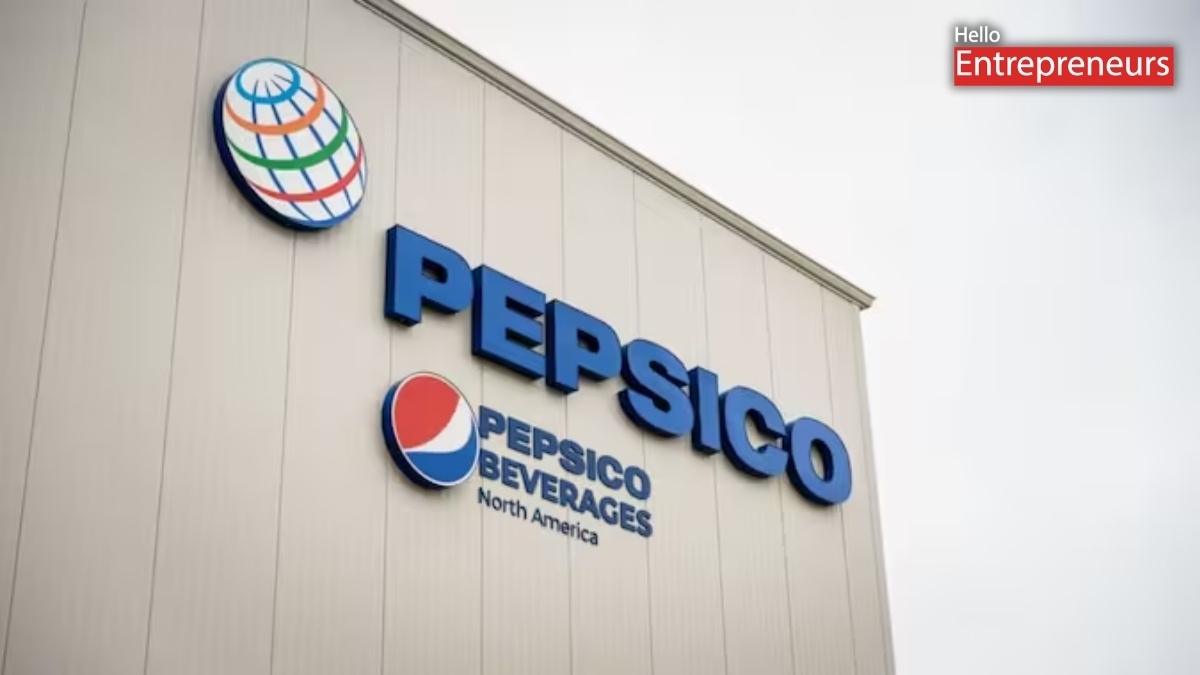
In this context, PepsiCo India has announced its intention to invest nearly ₹5,700 crore in India by 2030, with a significant emphasis on manufacturing investments. The investment will primarily finance new sites in Madhya Pradesh, Assam, and Tamil Nadu, bolstering the corporation’s food and beverage business across the region.
The funds will be invested primarily in the concentrates plant in Madhya Pradesh and the snacks plants in Assam and Tamil Nadu, the company said. A number of these projects will be operational within the next few months. Jagrut Kotecha, PepsiCo India and South Asia CEO, said that the company has a long-term intent to stay in India due to its consumption potential, a relatively stable investment environment, and rising income levels in the country.
Many elements of the announcement indicate how multinational food firms are realigning India within their global growth plans. India is currently one of the top 13 markets for PepsiCo globally, and its executives have repeatedly stated that India will continue to play a key role in future expansion strategy.
What is clear is the focus on the food business. PepsiCo is still well known for its drinks worldwide, but its snacks business in India is stealthily riding a growth wave. Brands like Lay’s, Kurkure, Doritos and Uncle Chipps have established good urban-semi-urban market penetration.
PepsiCo India and South Asia CFO Savitha Balachandran said the food business grew by about 11% in 2025. The other, beverages, faced some pressure from the weather and rising competitive pressure. The company managed to perform well despite those difficulties in both of its divisions.
Also important is the distribution of the new investments across the region. PepsiCo recently acquired land in Tamil Nadu, and the state is anticipated to become an important manufacturing hub for the company’s southern snacks business. Assam provides PepsiCo with a stronger manufacturing and distribution base in the Northeast, a region that has been challenging for consumer brands to operate efficiently and effectively in terms of logistics and supply chain costs.
According to industry experts, such a manufacturing model is gaining traction among many large food and beverage companies in India. A greater focus on a few large factories has been replaced by the development of companies’ production systems based on a network that covers the region(s) in which they operate, thereby cutting transportation costs, optimizing delivery times, and allowing them to respond to local demand trends.
This change is evident throughout the industry. Competition has also increasingly gotten tough as rival beverage and foodmakers have announced similar, albeit more aggressive, manufacturing expansion plans in recent years. For example, Reliance Consumer Products has invested ₹6,000–8,000 crore to expand its beverage business and introduce the Campa brand to the country.
PepsiCo has been continuously enhancing its manufacturing footprint in India in recent years. In 2024, the company announced its plans to invest ₹1,266 crores into a flavour manufacturing facility in Ujjain, Madhya Pradesh. That plant will be used to make beverages and to enhance local sourcing options.
PepsiCo also launched its large greenfield food manufacturing facility in Mathura, Uttar Pradesh, in 2021 with an investment of approximately ₹814 crore. At the time, the company described it as its “Single largest investment in the food sector in India”. The plant was projected to generate 1,500+ direct and indirect employment opportunities and provide potato sourcing ecosystems in the region.
The current expansion phase seems to be a comfortable one for PepsiCo India from a financial perspective. The company reported a profit after tax of ₹905 crore for the 12 months ended December 2025, compared with total revenue of ₹9,789 crore. The executives also noted that PepsiCo India has over ₹1,600 crore in cash reserves, which the company will use to invest in a financially disciplined manner.
At the same time, PepsiCo is also adapting to changing consumer behaviour. The company recently announced its intention to shift a significant portion of its India beverage portfolio to low-sugar/zero-sugar products over the long term. Executives said some 55-60 percent of its beverage portfolio is already in that realm, and they hope it will gradually be closer to 90-100 percent.
This is the same approach as the market is changing. However, today Indian consumers are more health-conscious, particularly young urban consumers, with greater emphasis on convenience and faster availability. The changes are being driven by quick-commerce platforms and digital retail avenues, and businesses are having to rethink their distribution and product development strategies.
PepsiCo India’s growth will most likely come through execution rather than a big announcement in the near future. Increasing manufacturing capacity is just one solution to the problem. Efficiently managing regional supply chains, adapting to consumer preferences, and staying competitive in an ever more crowded market will also be crucial.
But all the same, the size of the planned investment speaks more to a broader trend: global consumer companies are no longer viewing India merely as a big market for selling products. They are seeing it more and more as a long-term manufacturing and growth center for scale and ongoing demand for the next 10 years and beyond.

