



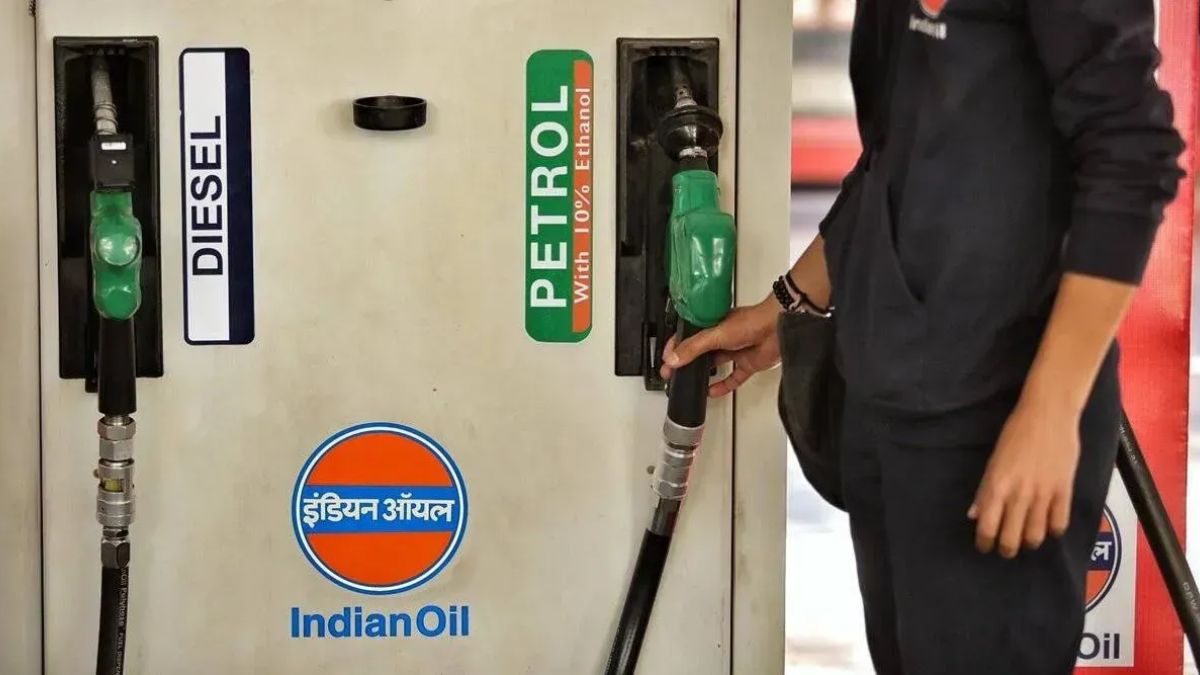
New Delhi: The petrol and diesel prices in India have not been affected by the current global crude oil markets which are experiencing a sharp volatility as a result of the current Middle East conflict. This peculiar state of affairs is an indication of a combination of economic policy, political timing, and supply management as the government attempts to balance between inflation control and increasing global energy risks.
By April 20, petrol in Delhi costs approximately ₹94.77 per litre, and diesel costs ₹87.67 per litre. In cities such as Mumbai, the prices are higher with petrol reaching ₹103 per litre and diesel reaching ₹90 per litre. Although the world crude oil prices have been increasing over the past few days, state-owned oil marketing companies (OMCs) in India have not adjusted their retail fuel prices.
This price stability is mainly due to uncertainty in the world. The prices of crude oil have been varying because of the tension between Iran and the United States, especially in the Strait of Hormuz, which is a major route through which most of the oil in the world is transported. Oil prices at one time shot up by more than 5% due to the fear of supply disruptions and previously they had even gone as high as almost reaching 100 per barrel in times of peak tensions.
This is a big issue to India. The Middle East supplies almost half of the crude oil that is imported into the country, thus the country is very susceptible to geopolitical shocks. Any interference in supply channels directly affects costs, inflation and the economy at large. Indeed, the International Energy Agency (IEA) has cautioned that the ongoing conflict may cut the world oil supply by approximately 1.5 million barrels per day, which would place a long-term strain on prices.
However, even with these threats, the Indian government has opted to maintain retail fuel prices at a constant level. One of them is inflation control. Transportation, food expenses, and daily expenses are directly influenced by fuel prices. The abrupt rise would drive inflation upwards at a time when the economy is already grappling with global uncertainty. Politics is another significant aspect. As major state elections, such as West Bengal, are underway or about to take place, stable fuel prices prevent popular discontent.
To cope with this, OMCs are said to be absorbing part of the losses or repricing at the refinery level rather than transferring the burden to the consumers. In other instances, the pressure is already mounting in the system with the private fuel retailers already raising the prices by approximately ₹5 per litre in March.
In the meantime, the government is also developing a more comprehensive fuel price stabilisation policy. This may include systems to protect consumers against unexpected increases in petrol, diesel and LPG prices. India is also diversifying its oil imports, such as purchasing discounted crude oil in countries such as Russia to limit reliance on Middle Eastern supply chains.
On the supply side, the government has promised that there is no shortage of fuel at the moment. India already has reserves that can last over 60 days of consumption and authorities have assured that LPG, CNG and PNG supplies are not affected by the global disruptions.
Nevertheless, stress is already manifested. In India, the consumption of LPG decreased by 13 percent in March because of supply disruption, which shows how the world events are gradually influencing domestic demand trends. In the worst case scenario, during the crisis, there were even reports of long queues in the purchase of LPG cylinders and delays in delivery in various regions earlier in the crisis.
In the future, analysts are of the opinion that this price freeze might not be permanent. In case the world crude oil prices are high or even increase, the increase in fuel prices in India may be inevitable. Analysts have already pointed out a high likelihood of revisions once the election period is over.

