



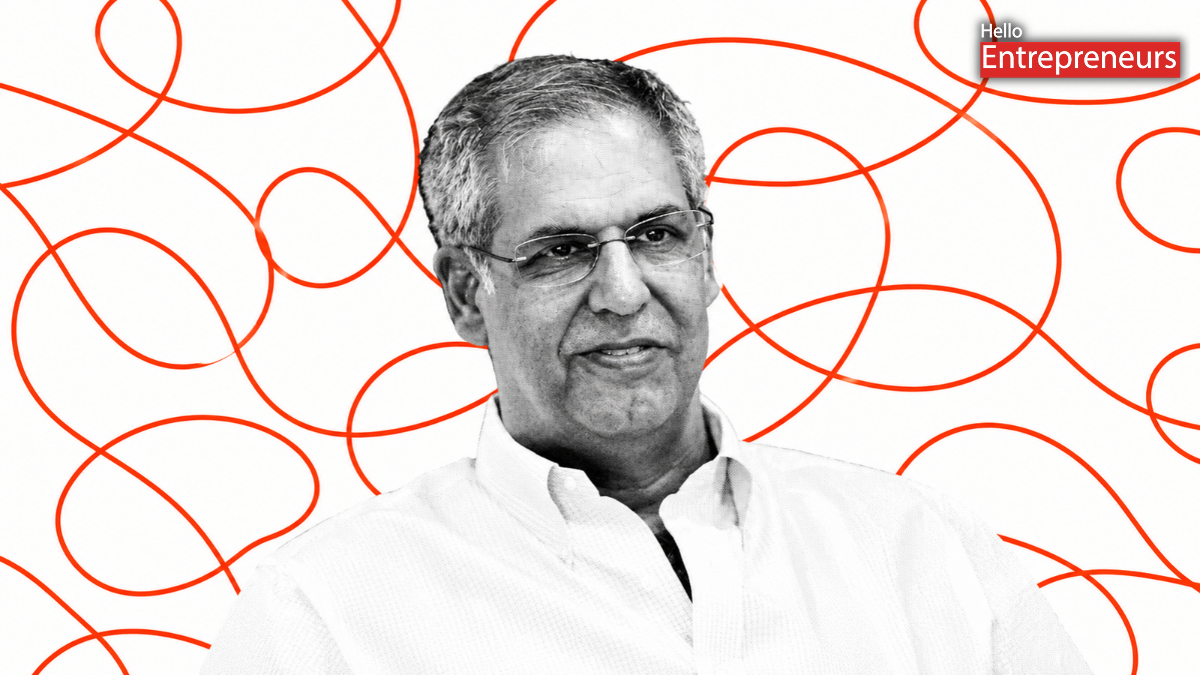
New Delhi: Noel Tata turns 70 this November, and under the Tata Group’s own rules that means he’s done with non-executive board seats. Six of them go on November 12. He keeps his place at Tata Sons.
The rule isn’t new. The group has a governance practice where executives retire from operational roles at 65 and step down from non-executive board positions at 70. Tata already went through the first half of that. He gave up his executive role as managing director of Tata International after turning 65. Now comes the second.
The list is long. He chairs Tata Investment Corporation, Tata International, Trent and Voltas, and is vice-chairperson at Titan and Tata Steel. That’s four chairmanships and two vice-chair roles, gone in one go.
Some of it has been telegraphed for months. At Voltas’s 72nd annual general meeting, Tata told shareholders it would be his last as chairman, a week after he said the same at Trent. He sounded settled about it. He said Voltas had developed a new generation of leaders through in-house promotions and lateral hires. That’s a departing chairman telling investors the bench is deep. Whether they believe it is another matter, and the share price will say more than the speech did.
Trent is the one people will watch hardest. Tata took over as chairman in 2014, and the numbers since are hard to ignore. Revenue more than doubled from ₹6,404 crore in FY17 to ₹15,737 crore in FY25, and the stock has gained 151% since he took the role. His own career is tied up in it too. He took charge as managing director in 1999 and turned Westside into a profitable business. Replacing a chairman with that record isn’t a routine handover, whatever the press release says.
Voltas is a quieter story, though a long one. He has led the company since 2017.
So what actually changes on November 12? On paper, not much. Boards will have new chairs and vice-chairs, and the companies will have to name them. I haven’t seen successor names confirmed for every seat, so I’m not going to guess. What does change is who has a standing voice inside these companies. For years Tata sat on boards where he could ask questions directly. After this he can’t, at least not in that capacity.
The Tata Sons seat is what makes this more than a retirement story. Tata chairs Tata Trusts, which oversees the group’s philanthropic arm and holds a majority stake in Tata Sons. He became Trusts chairman on October 11, 2024. And there’s a gap in the rules worth noticing. There’s a retirement age for board roles, but no such limit for trustees or the chairperson of Tata Trusts. So he steps back from the operating companies while staying at the top of the structure that controls them.
That’s probably the point. Group boards get younger, more professional, less tied to the family. The Trusts and the Tata Sons seat stay where the real influence is. Some governance watchers will like that split. Others will say it’s a neat way of leaving without leaving.
His family is also showing up in the paperwork. The Times of India reported that his children Leah, Maya and Neville became Tata Sons shareholders for the first time, after inheriting shares from Simone Tata. Nobody should read too much into a handful of shares. Still, the timing is hard to miss.
For now, investors will be looking for formal announcements from each company on who takes the chair. Those should come through stock exchange filings before November 12.

