



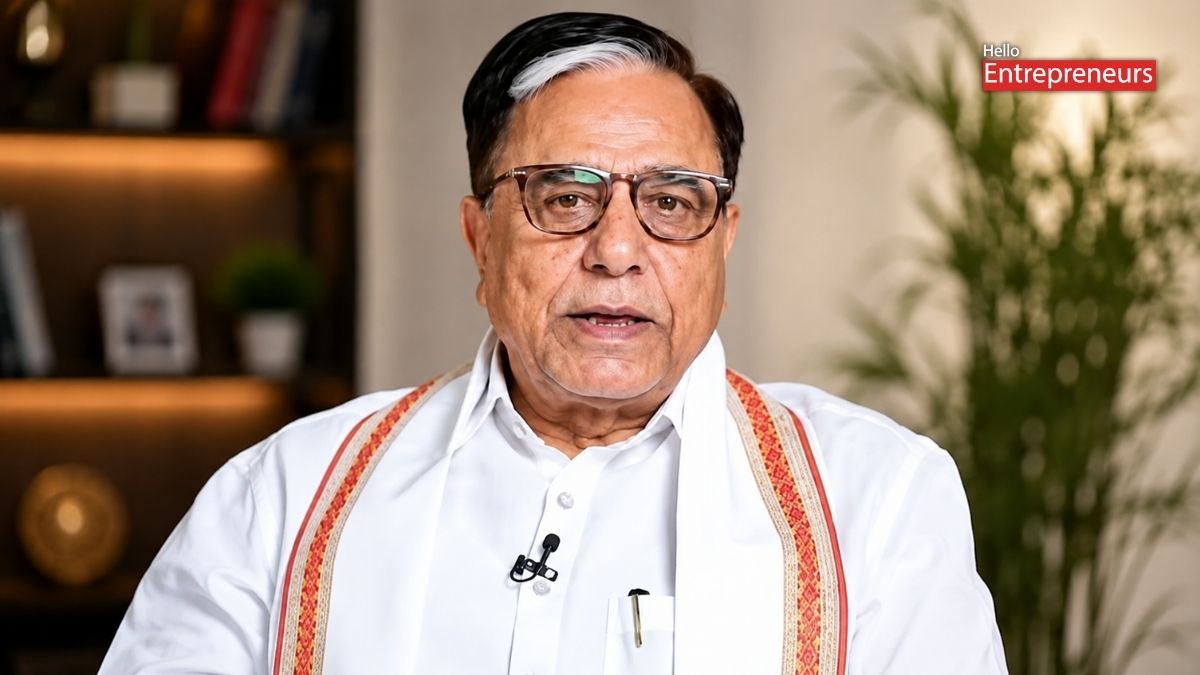
New Delhi: The National Company Law Tribunal (NCLT), New Delhi, has halted the approval of the repayment plan submitted by Zee Group founder Subhash Chandra and formed a new five-member committee to re-evaluate the case. The National Company Law Tribunal (NCLT), New Delhi has paused earlier approval of the repayment plan filed by Zee Group founder Subhash Chandra and constituted a new five-member committee to review the case anew.
The new move is remarkable as the repayment proposal had been receiving a lot of attention due to the huge difference in amount offered to the creditors and the total claims accepted in the proceedings. The tribunal has also issued an order to keep the status quo with regard to Chandra’s assets so that nothing is transferred or alienated from the property, pending the fresh consideration of the matter.
The core issue in the controversy is the amount of repayment sought, around ₹6.25 crore – in comparison with the claimed amount, around ₹22,006.57 crore. A recovery of this magnitude is just about 0.03% of the claims admitted and on a percentage basis, the creditors may be able to recover around 3 paise of every ₹100 admission.
Creditors reportedly voted in favor of the plan by some 80.81%. The proceedings were complicated, however, because there were disagreements among the members of the tribunal regarding the legal effects of the repayment plan, including those of creditors who had voted against or objected to the repayment plan.
Fresh Bench After Differing Views
The matter has already been subjected to several stages prior to the NCLT. The issue of key elements of the repayment arrangement was a subject of concern for members of a previous bench made of judicial and technical members. This was then referred for further consideration, as the tribunal was unable to reach a clear majority position.
One of the key legal issues is whether claims of creditors who did not approve the repayment plan will be extinguished or otherwise impacted by the approved plan. The interpretation may significantly affect financial institutions which want to recover from the process of insolvency.
The constitution of a five-member bench is therefore being seen as an effort to get more clarity on the issue. A bigger bench could review both sides of the argument and decide on the functioning of the repayment arrangement in terms of the Insolvency and Bankruptcy Code.
The amount of money claimed and the amount being offered for recovery is enormous.
The case has been attracting attention primarily because of the extreme disparity between the stated debts and the amount to be paid back.

