


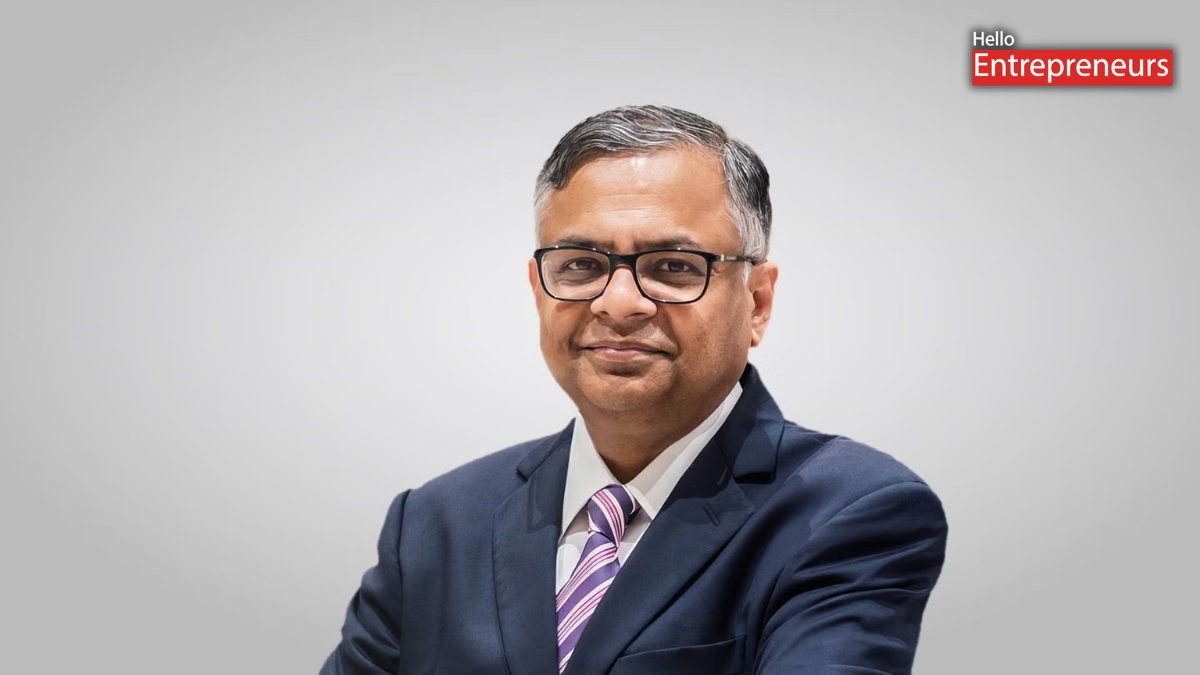
New Delhi: According to recent reports, it is official that Tata Sons Chairman N. Chandrasekaran has officially announced that he will going to take retire after his term, which is scheduled to end on February 20, 2027. He took this decision after mulling over the future leadership requirements of the Tata Group, he stated in his official statement ahead of the AGM. Chandrasekaran took this opportunity to thank the Tata Sons Board, Tata Trusts, employees and stakeholders for their trust and support during his time. He also emphasized that the group’s progress over the last decade, by comprising the business of transformation, global expansion and value creation over the longer term, and reaffirmed his intention to remain with the group until the end of his term to guarantee a smooth leadership transition.
The possible exit has been noticed as Chandrasekaran has been one of the most significant leaders of the Tata group in recent years. In 2017, after being the CIO of Tata Consultancy Services (TCS), he took over as the Chairman of Tata Sons. His leadership saw many expansion into the semiconductors, electric vehicles, aviation and latest business ventures.
What happens Chandrasekaran steps down?
The most significant alteration immediately will be at the top of Tata Sons if Chandrasekaran were to resign. Tata Sons is the holding company for the entire group and is an important entity for formulating the collective strategy of the group and the overall management of its interests in various businesses. Tata Sons are given around 66% of Tata Trusts.
The company must have to find a new chairman and clarity need to be provided regarding the future course of the group. Investors would closely monitor the appointment of the new chairman as he might have different priorities for investments, capital allocation and the newer businesses of the group.
This doesn’t imply that Tata Corp will suddenly be replaced by the heads of other companies like TCS, Tata Motors or Titan, though. They are independent, listed businesses that have their own boards and management. investor sentiment and expectations on Tata Group’s overall strategy would be impacted initially.
What could happen to Tata stocks?
If Chandrasekaran has any impact on the Tata Group stocks, then there may be some volatility in the short term. In general, investors do not like uncertainty, especially with regard to leadership of a major business group.
If investors are concerned about a change in the strategy, then the stock prices of Tata Technologies related companies like Tata Consultancy Services, Tata Motors, Titan Company, etc. may face selling pressure.
Reports on August 12 already indicated the selling pressure on some stocks of Tata as news on the possible leadership change broke. But analysts have also said that the effect could be muted if the Tata Group’s succession process is hastened up and the Tata business remains unchanged.
The company’s longer term stock prices will be much more determined by company earnings, growth, debt, new investments, business performance as opposed to the chairman.
Tata Group faces a key leadership test
The possible exit coincides with the other points of disagreements between Chandrasekaran and Tata Trusts chairman Noel Tata, such as the representation at the board, group’s strategy and performance of certain new companies.
For investors, the most important thing will therefore be a smooth transition. In the first instance, if Tata announce a sound replacement, it could ease the pressure on tatas as well over time, if there is no further internal turmoil.
Chandrasekaran said he felt that it was premature to talk about changes in the leadership of the Tata family group, and that his resignation was a leadership change rather than changes to the way the business is run. The Aug 18 AGM and the reappointment of the Tata’s are likely to give more clarity on leadership of the Tata group in the coming days.

