



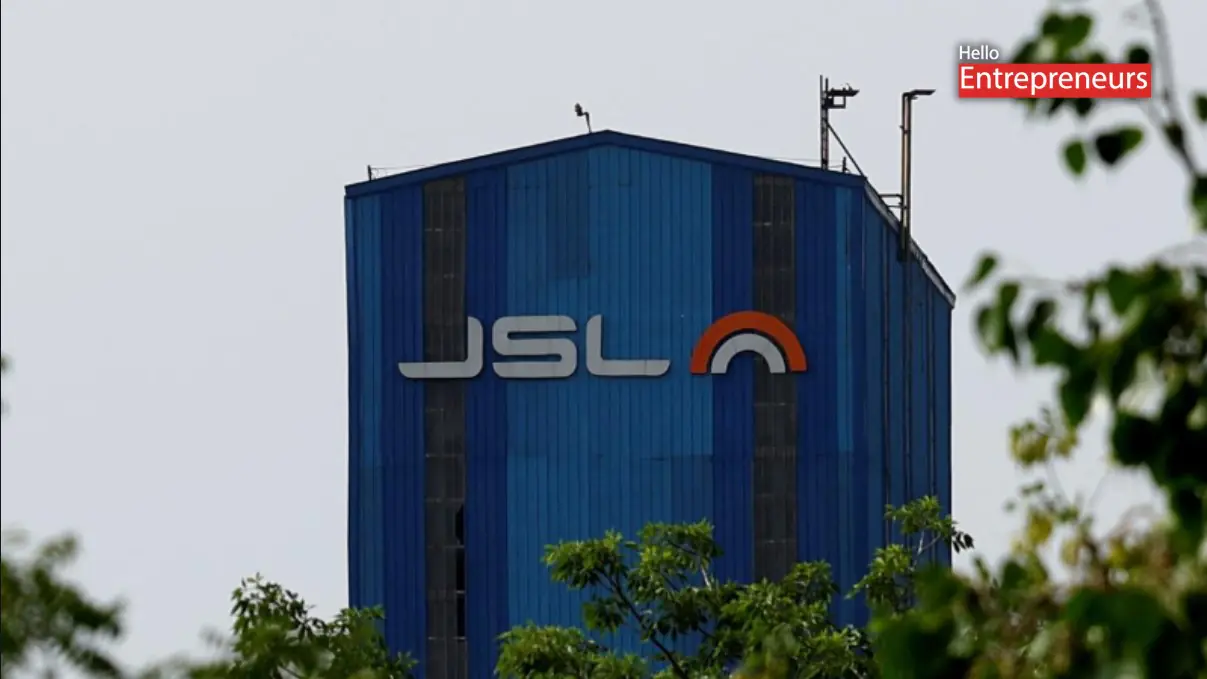
New Delhi: Jindal Stainless has launched its first stainless-steel fabrication facility at Washivali, Patalganga, a move the company says will strengthen its role in India’s fast-growing infrastructure push.
The facility constructed by the entirely owned subsidiary of the group Jindal Stainless Steelway Ltd (JSSL) occupies an area of approximately four lakh square feet and was established at a cost of approximately 125 crore.
The new unit will mainly target the bridge industry and will be specialized in manufacturing major components in the fabrication of different girders. According to the company officials, the facility will be a full-course fabrication center: not only the supplier of raw stainless material but also the provider of finished and ready to install structural elements.
That linkage from mill to finished part is being pitched as a way to shorten lead times and improve quality control for big infrastructure projects.
Capacity is planned to scale up fairly quickly. The firm expects the unit to hit an annual fabrication capacity of about 18,000 tonnes by FY26-27, a sharp rise from an estimated 4,000 tonnes in the current financial year. Jindal Stainless says this step will help meet growing demand for sustainable, high-quality bridge infrastructure across the country.
The unit was inaugurated by Jindal Stainless CEO & CFO Tarun Khulbe, along with members of the company’s senior leadership. Company statements highlighted that the plant will also serve as a centre for skill development, a response to a long-running concern in the sector: the shortage of trained fabricators who can translate high-grade stainless steel into reliable, durable structures. As Khulbe put it, developing a trained fabricator ecosystem has been a challenge, and this facility aims to bridge that gap.
Beyond production numbers, the factory is expected to have a local social and economic impact. Reports say the operation will directly create more than 250 jobs and benefit over 150 families indirectly, while also becoming a local training ground for fabrication skills. For a region like Patalganga, with a cluster of industrial activity, such a facility can be both an employment engine and a supplier to nearby projects.
Jindal Stainless is positioning the plant as part of a broader vertical-integration strategy. The company has been expanding melt and processing capacity and, according to recent corporate numbers, reported strong turnover in FY25 while targeting higher melt capacity by FY27. By adding fabrication, Jindal hopes to capture more value down the chain, from metalmaking to finished infrastructure parts, and reduce dependence on third-party fabricators.
This is a pragmatic move that fits current government and industry trends. India needs faster, more durable bridges and infrastructure that demand less maintenance, stainless steel is material-efficient and long-lasting. If Jindal can combine mill quality with reliable local fabrication, it could cut project delays and lifecycle costs. However, the success story will depend on two things: building a steady pipeline of skilled fabricators, and keeping fabrication costs competitive against conventional materials and established fabricators.

