



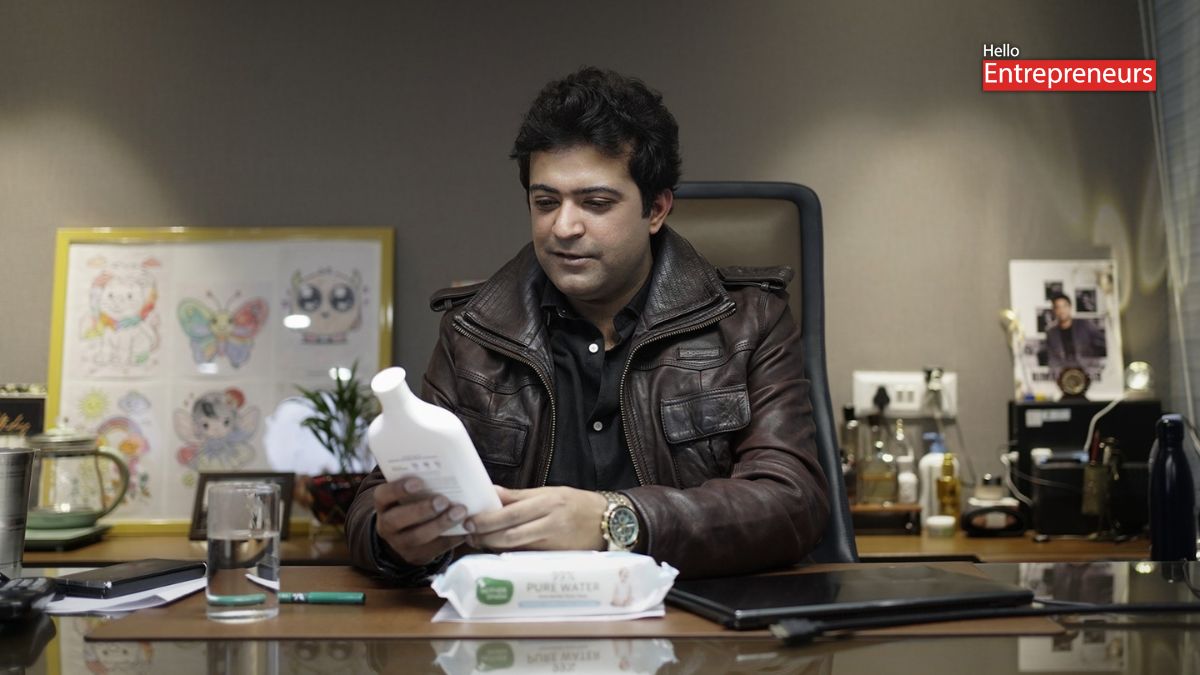
New Delhi: India’s baby care industry is on the verge of a transformation as the consumers are more educated and aware about the product that they are purchasing for their child’s care. Category leaders have been there for years and been very prominent, but these days, consumers aren’t just asking, “What’s the brand?,” but they’re asking a lot more questions about ingredients, safety, testing and benefits.
It is creating space for businesses that are new-age and do not just sell a variety of generic products, but address specific consumer issues or problems.
Dr. Himanshu Gandhi, CEO and Co-Founder of Mother Sparsh, saw this gap when he started the company in 2018. Gandhi said that there are already some baby care brands in the market, but not much attention was given to those products that cater to certain concerns of the parents. This sparked Mother Sparsh to focus on problem solving approach towards its business.
Parents are beyond the brands.
Parents’ purchasing behavior is one of the biggest industry changes with respect to what’s being bought. Gandhi’s research findings inspire him to believe that many consumers are no longer willing to assume that a high quality or high cost product is necessarily more safe or better.
Rather, parents are becoming more interested in the ingredients of a product, its formulation, whether a product has been tested and what problem it is supposed to solve.
This is critical in the context of baby care, where parents may have concerns about safety and effectiveness. Gandhi believes brands should make these choices simpler by communicating, not aggravating anxiety through marketing.
Thinking that has influenced products at Mother Sparsh are those that target specific concerns. It carries the After Bite Turmeric Balm for post-insect bite treatment, Tummy Roll-on for colic and constipation relief as well as 99% Pure Water Unscented Baby Wipes for everyday safety and hygiene.
It’s a shift in consumer habits, not whether to buy a brand, but whether the product is right for a specific need.
Celebrity Endorsements to Consumer Trust
While marketing has always been crucial in consumer businesses, the advent of influencers and celebrity endorsements has made it easier to achieve brand visibility. But visibility is not sufficient to build lasting trust.
However, Mother Sparsh took a different way during the initial years. Instead of spending large amounts of money on celebrity campaigns, the company concentrated on research, product quality and direct product sampling at hospitals and maternity centres.
This, Gandhi believes, enabled the parents to taste the product first before deciding on the brand. While influencers can begin a conversation, repeat purchases, consumer reviews and recommendations are better indicators of trust, he said.
This was also a good touch for a relatively young company to gain legitimacy in a market where they were up against companies that have been around for decades, but didn’t have a ton of money to spend on advertising.
The reason for the importance of product sampling
An early component of the company’s strategy was its hospital sampling programme. Mother Sparsh was bringing products to the hands of parents and was able to gather feedback and know the consumer response on the products offered.
Gandhi admits that during certain times the company’s progress seemed to be rather slow. Rather than seek quick growth, the company concentrated on creating products to solve real baby issues and making the time investment in science and testing.
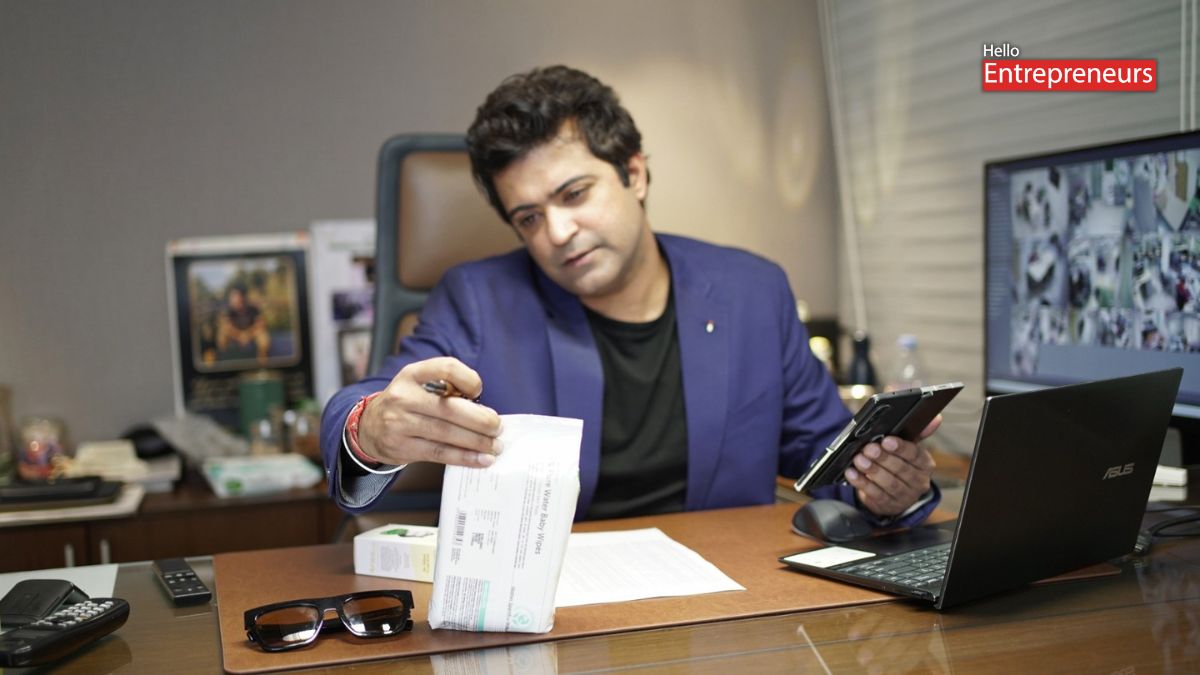
It was a straightforward concept: to create a happy customer first, and let the good customer experience drive subsequent development.
The company also decided to spare its small early funds for the research, product development and sampling. Gandhi says that this is the “validation over visibility” approach and that repeat purchases and word of mouth are becoming a big component of the brand’s growth.
The Rise of Evidence-Led Buying
The most significant change in the category has been the emphasis on information.
Gandhi says that the moms and dads of today are more knowledgeable than ever five years ago. They read the labels on ingredients, ask questions about formulations and demand greater transparency by companies regarding their products.
This is forcing baby care companies to clarify what their products are, as well as how they were created.
A change can also be observed in the demand for products based on the highlighted concerns. One area of focus is the prevention of diaper rashes, relief from colic, and sensitive skin and sun protection, as Gandhi says parents want more practical solutions.
Brands, it means a familiar name alone won’t suffice. Businesses strive to demonstrate their intent behind their products and offer information to aid consumers make choices.
The Indian government is creating opportunities for Indian brands.
The evolving preference of the Indian parents may also provide better opportunities for the Indian brands. Gandhi feels that Indian companies can compete by focussing on their local consumer needs and ensuring good quality.
The vision for Mother Sparsh is to create a trusted and science-backed business when it comes to baby and kids care products and to scale up to more homes in the next 5 years. The company is also looking to establish an organisation where innovation, empathy and accountability are intrinsic to the culture, says Gandhi.
But a larger trend in the industry is more than one company.
The baby care industry is a more educated consumer thanks to the more savvy parents testing, safety and product performance. While brands continue to use advertising and influencers to draw the attention, their success in the long run is becoming linked with the ability to fulfill promises made by their products.
This may well be a change in baby care in India from brand buying to need buying. Companies that are cognizant of this shift and create their products on the basis of actual consumer issues could definitely have a better possibility of gaining the trust of the upcoming generation of the Indian mother.

