


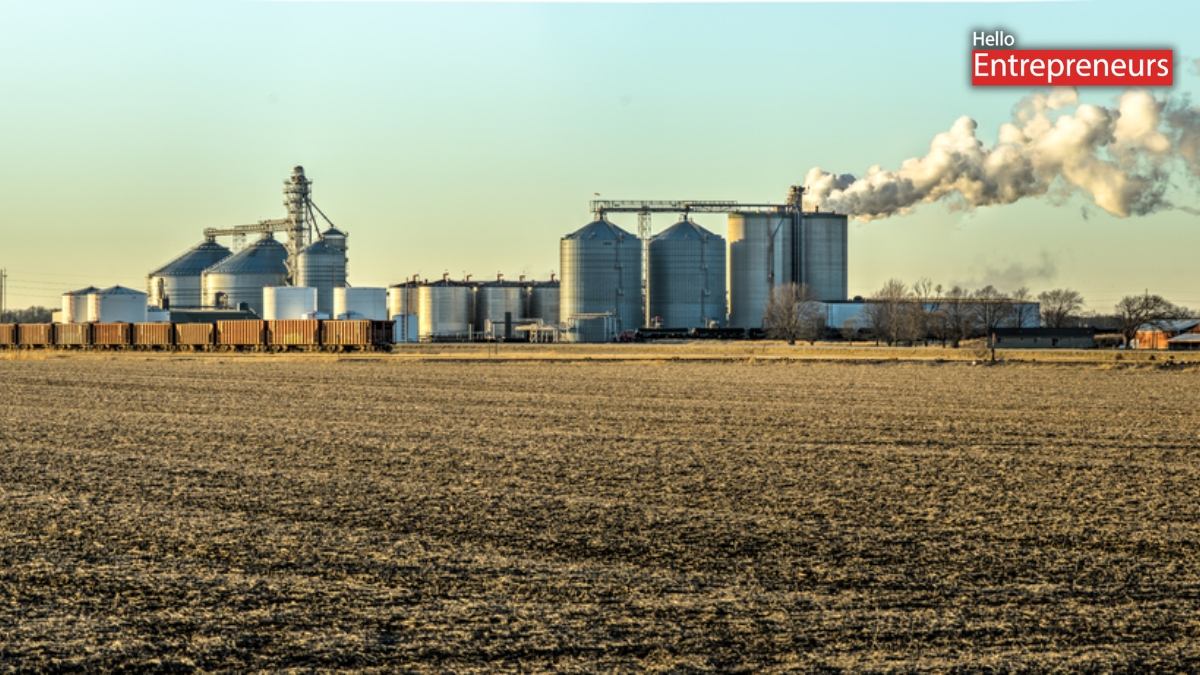
New Delhi: India’s ethanol programme has achieved a significant milestone with ethanol supplies reaching over 800 crore litres for the Ethanol Supply Year (ESY) 2025-26. The recent figures, however, have been a new challenge for the nation as it has to meet the demand of the expanding ethanol production capacity.
But, data shows that the country imported about 93 crore litres of ethanol in July, compiled by the All India Distillers’ Association (AIDA). This brought the total supply for the current ethanol year in excess of 800 crores of litres. In July, however, supply of these amounted to lower than the 103 crore litre supply during June.
Grain-based ethanol gains share
The expanding share of grains-based ethanol is a big shift in the ethanol supply mix. Around 71 crore litres, or 76% of the total monthly supply, of ethanol were produced from grains in July.
About 30 crore litres were contributed from maize and surplus grains from the Food Corporation of India (FCI). They accounted for almost 85% of the total grain-based ethanol supplied in the month. Additional 11 crore litres have been recovered from damaged food grains.
Meanwhile, the percentage of sugarcane based ethanol has decreased. Sugarcane-based sources provided roughly 22 crore litres during July while it was 28 crore litres in June. They actually experienced a decline in percentage, from 27% to 24%.
Demand is now the key issue
An increase in production capacity is certainly a good sign for the country’s plan to make ethanol production in the country a reality, but now the industry needs to find more buyers and applications for the ethanol. An increase in ethanol blending, flex-fuel vehicles and new ethanol applications could help boost demand, AIDA has stated.
The expansion of the supply chain also provides India with more choices to lessen reliance on conventional fossil fuels. A policy framework which is clearly defined and stable, however, will be essential for companies to make investments in new facilities, as well as for farmers and other actors in the value chain.
India’s ethanol programme is thus in a critical phase these days. Now they are worried not only about making more ethanol, but enough ways to use it efficiently.