



New Delhi: India has quietly become one of the more prominent export sectors, with the seafood sector among them. Though sectors like electronics and pharmaceuticals may get the spotlight, marine exports have grown steadily, and demand has been rising, backed by the expansion of the aquaculture sector.
That growth now needs to be scaled up, and the government wants to take it to the next level.
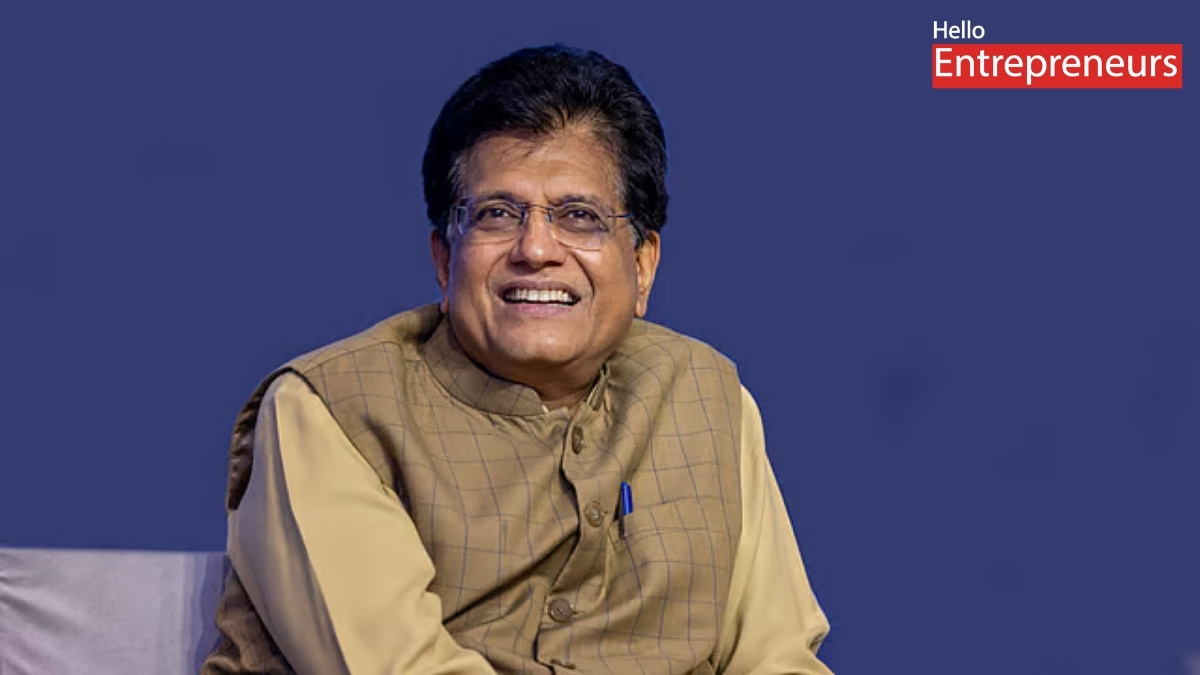
Union Minister of Commerce and Industry Piyush Goyal, speaking at a National Workshop on Seafood Exports in Visakhapatnam, said that India can double its seafood exports to $30 billion in the next five years. The target is an important milestone from the current position and is in line with the government’s overall vision to increase India’s footprint in international food and agricultural trade.
It follows a record year for the sector. FY26 saw India’s seafood exports reach a record high of $8.45 billion or about ₹73,890 crore. The performance was achieved despite the world economic uncertainty regarding trade and demand conditions.
While sharing the Government’s vision for the industry, Goyal said that seafood exports can be scaled up by 2.5-3 times, reaching $30 billion in the next five years.
This is particularly noteworthy, as the growth strategy is not focused exclusively on seafood production. But the focus is shifting to value addition, with emphasis by policymakers.
For years, a significant percentage of India’s seafood exports has been raw or lightly processed, especially frozen shrimp. These products have helped make India an important supplier in international markets, but they generally have a lower return on investment than processed and branded products or ready-to-consume products.
The industry should aim to leave the commodity export business behind and move towards creating higher-value products that can fetch better prices in the international market, Goyal said. Industry experts say the change could benefit exporters by improving profitability and reducing reliance on volume-based growth.
This is indeed the trend across all export sectors in India that are in the process of adding greater value through processing, branding, and product differentiation.
The government also sees recent trade agreements as an important opportunity for the seafood industry. India’s recently signed free trade agreements with some developed countries may create more market opportunities for Indian seafood exporters and help them expand their global presence, Goyal added.
International markets are still important for the sector. The United States, China, Japan, and some European countries remain the top customers for Indian seafood products. New opportunities may be available to exporters who wish to diversify beyond traditional markets through improved market access via trade agreements.
Meanwhile, it will not be enough to attain the $30 billion goal if the trade prospects remain favorable.
The need to improve processing infrastructure, cold chain logistics, quality control, and export compliance has been repeatedly emphasized by industry stakeholders. To survive in the premium markets, exporters will have to pay greater attention to product quality and international regulations.
This is especially important given the growing consumer focus on food safety, traceability, and sustainability in global markets. Those exporters who can sustain these standards will reap the greatest rewards in the future.
India, on the other hand, is strong. Sharing the top spot with other top shrimp and aquaculture-producing countries. Over the years, investments have been made in farming practices, hatcheries, processing facilities, and logistics facilities, which have improved competitiveness.
Goyal noted that the seafood sector’s contribution to India’s export basket has been increasing by almost 145% since FY14.
Seafood is not just being considered a traditional export category with the government’s latest objective. It is fast becoming a part of India’s larger export growth strategy.
The industry will make it to $30 billion or not, depending on the extent of cooperation among producers, processors, exporters, and the policymakers. However, given the level of exports and the strong focus on value-added products, the sector is poised to be a vital part of India’s trade aspirations over the next few years.

