



New Delhi: India has recently made a giant leap in its clean energy journey by officially touching the 300 GW mark in non-fossil fuel electricity generation capacity. By this country’s installed non-fossil power generation capacity was at 300.50 GW till 31st July 2026, according to the Census of Non-Fossil Power Generation 2026 which are officially made by the Ministry of New and Renewable Energy.
With this milestone, India has already achieved over 60% of its goal to install over 500 GW of non-fossil fuel power capacity by 2030. Presently, India has an electricity generation capacity of 552 GW, with non-fossils now contributing over 54% of this.
Solar Power Leads India’s Clean Energy Growth
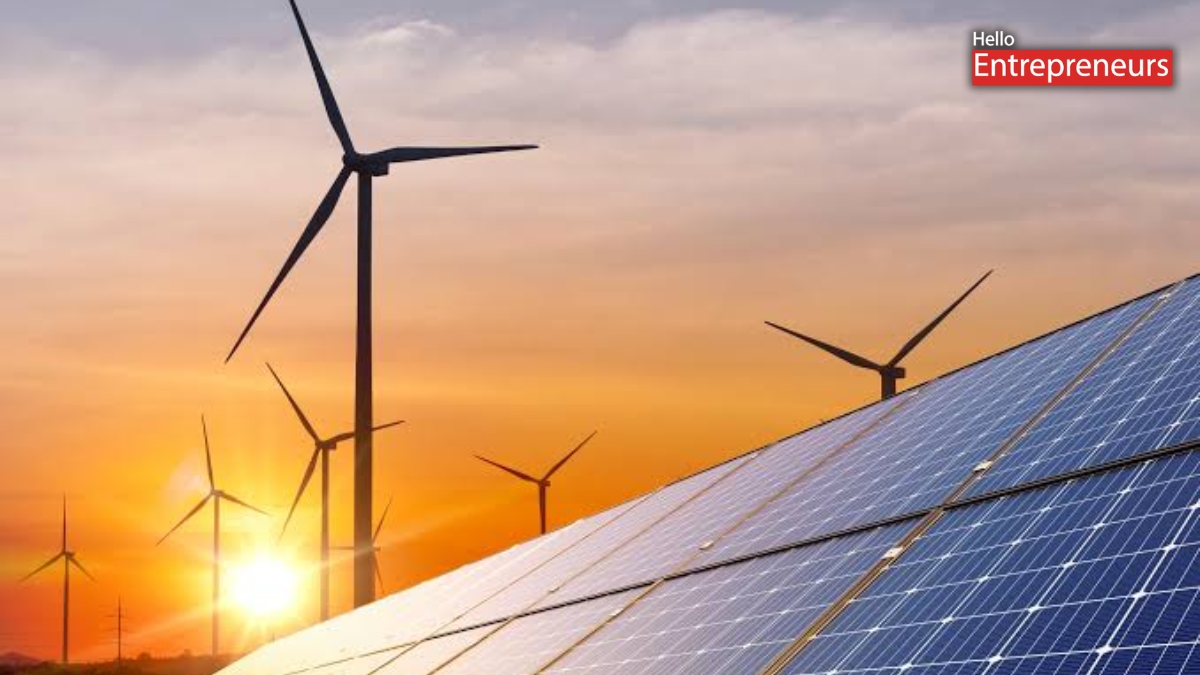
Solar power continues to be the biggest contributor to India’s non-fossil energy capacity. The installed capacity of solar power as of July 31 was 164.59 GW.
Wind power came in second with 58.14 GW with hydropower coming in at 57.24 GW. Of the rest, there was 11.75 GW of bio-power and 8.78 GW of nuclear power. Solar energy has increased significantly in the last 10 years in India. Solar power has grown substantially from 2.8 GW in 2014 to almost 165 GW currently. The capacity for windpower has also expanded from about 21 GW in 2014 to over 58 GW.
During 2025-26, India has installed a record 55.29 GW of non-fossil fuel power capacity, the government said. 44.6 GW of this was from solar energy, while 6 GW was wind.
Renewable Power Generation Doubles
Growth isn’t just restricted to installed capacity. The share of renewable electricity in India has also jumped considerably.
This was sharply contrasted with a stick in the mud 190.96 billion units in 2014-15 as compared to 477.79 billion in 2025-26, government data showed. This is one of the indications of renewable energy becoming viable in the country as power provider for electricity requirement.
India also has an increased production capacity in the field of solar panels. The amount of capacity in the Approved List of Models and Manufacturers for solar photovoltaic modules has reached more than 200 GW, which equates to less than 2,3 GW in 2014.
200 GW More Needed by 2030
Even after all the improvement India will have still have a long way to go. The country needs the additional capacity of around 199.5 GW by 2030 to achieve 500 GW by 2030 out of the required 500 GW while the existing capacity is 300.50 GW – of which 36.35 GW is non-fossil.
Other areas focused on, such as green hydrogen and reduction of industrial emissions, are also in the works. The National Green Hydrogen Mission is to place India in the position of being a big exporter, producer and consumer of green hydrogen. The transition to cleaner energy has been quick in India with this cross-over of 300 GW. The next four years will look critical as the country endeavours to install the required additional capacity to attain the target of achieving 2030 of clean energy.

