



New Delhi: Global oil markets don’t usually move because of one headline. They react to a mix of geopolitics, supply routes, and expectations about what might happen next. But every now and then, a development is enough to shake that balance.
That seems to be happening again around the Strait of Hormuz.
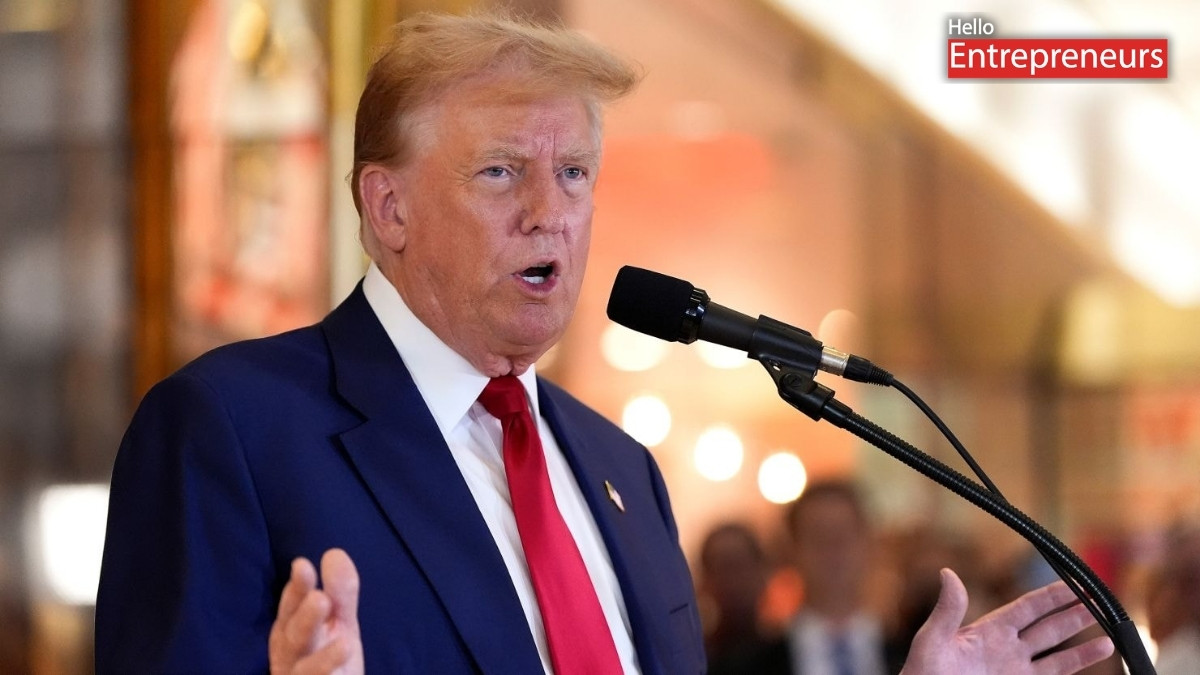
Recent political signals, including comments from former U.S. President Donald Trump about extending a ceasefire window with Iran without broader concessions on shipping access, have brought fresh attention to the region. At the same time, estimates suggest Iran could be losing significant oil revenue due to disrupted or restricted exports—though exact figures vary by source.
The situation is still evolving. But markets are already reacting in their own way.
Why Hormuz Matters So Much
The Strait of Hormuz is one of the most important energy routes in the world.
Roughly one-fifth of global oil supply passes through this narrow stretch of water. In normal conditions, that’s around 17–18 million barrels of oil every day. A large share of global LNG trade also moves through the same route.
Because so much supply is concentrated in one place, even small disruptions can have a big impact. And importantly, markets don’t need a full shutdown to react. Even the risk of delays or restrictions is enough.
Markets Are Pricing Risk, Not Crisis
So far, there hasn’t been a full supply shock. Instead, what’s driving markets is uncertainty.
Brent crude has stayed above long-term averages, not because of a sudden shortage, but because traders are building in a risk premium—an extra cost added simply because of the possibility of disruption.
Right now, the market is balancing two ideas at the same time:
- Things could escalate and tighten the supply
- Or tensions could ease and keep oil flowing normally
That uncertainty is keeping prices supported, but not extremely volatile.
Shipping Costs Are Already Going Up
One of the first places this shows up is in shipping.
Insurance costs for ships passing through high-risk routes have increased sharply during periods of tension. In some cases, war-risk premiums can rise several times over normal levels.
That adds extra cost to every shipment. And it doesn’t just affect oil; it impacts global trade more broadly.
Freight costs, delays, and route changes are already becoming more common in parts of the Middle East and nearby corridors.
Iran’s Oil Revenue Under Pressure
There are estimates suggesting Iran could be losing hundreds of millions of dollars a day in potential oil revenue during periods of disruption.
But these numbers aren’t exact and depend heavily on assumptions about production and exports.
What is clearer is the broader trend: when shipping routes are restricted or risky, export flows slow down, and revenue takes a hit. Even partial disruption can make a big difference over time.
Why India Is Watching Closely
For India, this situation matters a lot.
The country imports around 85–88% of its crude oil, so global price movements directly impact its economy.
Even if India buys oil from different countries, global benchmarks like Brent still decide the price it pays.
A simple rule of thumb: if crude rises by $10 per barrel, India’s import bill can go up by roughly $12–15 billion a year.
That doesn’t immediately change fuel prices at the pump, but it slowly feeds into inflation. Transportation, food, and everyday goods are all affected over time.
Trade Costs Are Rising Too
It’s not just oil.
Shipping disruptions and longer routes are pushing up freight costs for global trade. This affects exporters and importers across sectors like textiles, chemicals, and engineering goods.
Higher logistics costs often squeeze profit margins and force companies to rethink pricing and supply chains.
Policymakers Are in a Waiting Mode
Central banks, including India’s RBI, are watching closely.
Higher oil prices can push inflation up because fuel affects almost everything, including transport, manufacturing, and food distribution.
But since this is an external and uncertain situation, policymakers usually don’t react aggressively unless the pressure becomes long-lasting.
For now, the response is more cautious than urgent.
Markets: Careful, Not Panicked
Financial markets haven’t reacted dramatically, but the mood is cautious.
- Energy stocks are getting some support from higher oil prices
- Aviation and logistics companies are more sensitive to cost pressures
- Currency markets in oil-importing countries show mild pressure
It’s not panic. But it’s not calm either.
What Happens Next
At this point, everything depends on how the situation develops.
If tensions ease and shipping normalizes, some of the pressure on oil prices could fade. But if things escalate, even slightly, markets could react quickly again.
For now, the world is in a familiar position, watching a key geopolitical hotspot and quietly building risk into prices.
And that’s really the story: not a crisis, but the constant reminder that global energy markets are always just one disruption away from shifting direction.

