



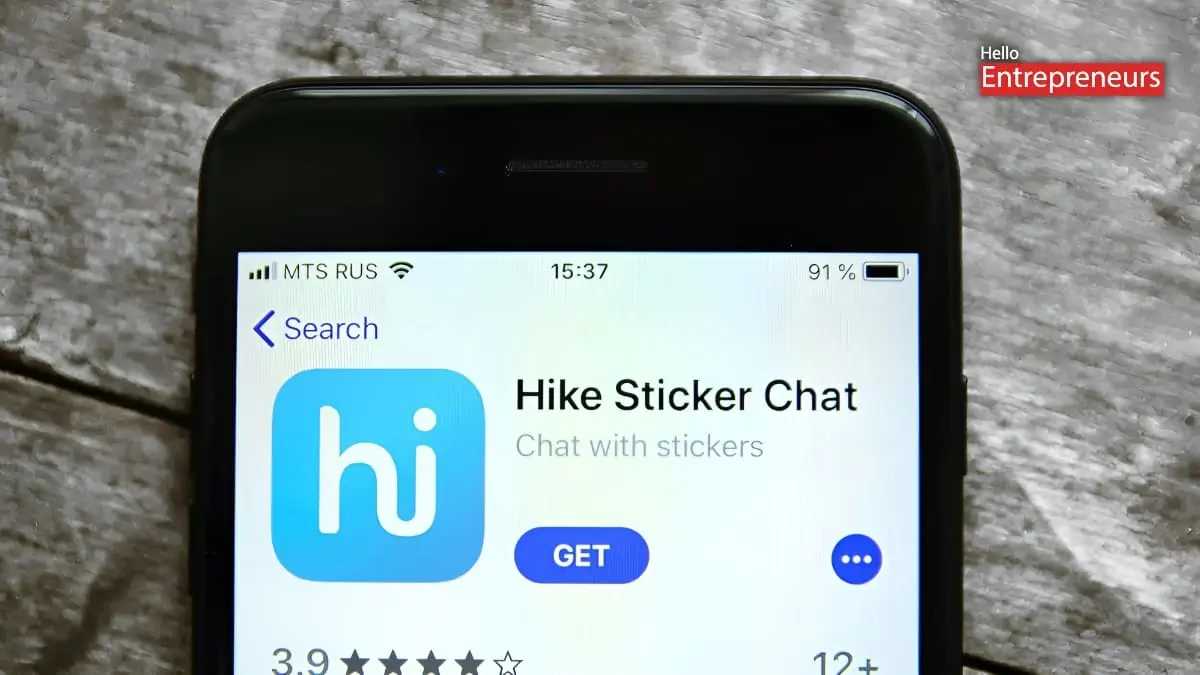
New Delhi: Kavin Bharti Mittal’s startup, Hike, has now closed down for good after 13 years. The shutdown isn’t even happening in India, even its recently formed US business is shutting down. The primary reason? India’s recent real money gaming (RMG) ban, which stunned the entire gaming community and left Hike without a viable way to survive.
Hike’s adventure started as a messaging app, which was once utilized by over 100 million users. It used to be simply referred to as “India’s answer to WhatsApp” and one of the favorite homegrown internet brands. However, with global technology titans such as WhatsApp and Facebook getting stronger, Hike found it difficult to catch up. It closed down its messenger by 2021 and moved to fresh concepts such as Vibe (a social app) and Rush (gaming platform where users played for actual money).
For a brief while, this pioneering step appeared to work. But the government’s new ordinance, the Promotion and Regulation of Online Gaming Act, 2025, prohibited real money gaming entirely. And for Hike, that was the last nail in the coffin.
Why Mittal pulled the plug?
Following the ban, Kavin Mittal considered shifting the company overseas. In fact, Hike launched in the US and even performed well there. But as Mittal informed investors, it wasn’t enough to fill the void India had lost.
“For the first time, the answer to whether Hike’s vision was worth pursuing became no,” he confessed in his email.
Hike has approximately $4 million in the bank. That will first be used to settle vendors and staff, and the remaining, if anything is left, will be returned to investors. Hike raised around $261 million over its lifespan from the biggies such as Tiger Global, Tencent, and Bharti Enterprises.
Hike’s shut down is not an isolated event. Several other gaming giants such as MPL, Zupee, Dream11, and Probo also witnessed mass layoffs, foreign relocations, or new models based on advertising. Even WinZO relocated major portions of its business overseas.
The larger tale here? India’s gaming sector is at a delicate crossroads. Exorbitant taxes and abrupt regulatory changes have put numerous startups in the lurch. Hike, erstwhile poster child of Indian consumer tech, became the latest casualty of this unsure environment.
What we can learn from Hike?
The success and failure of Hike provide us with some straightforward lessons:
- Timing is everything. Being too early in a category can be as bad as being too late.
- Rules do count. Regulation can abruptly kill off even the greatest innovations.
- Too many pivots are damaging. Constant direction changes can sap teams and dilute the vision.
What’s next for Kavin Mittal?
Even with the massive setback, facing which must have been daunting, Mittal does not sound shattered. He insists Hike taught him lifelong lessons and deep relationships. For the future, he hopes to venture into new spaces such as AI, clean energy, and personal development.
“This chapter ends, but the climb continues,” he wrote.
Perhaps that’s the true lesson: even in India’s high-growth startup ecosystem, failure can be a fresh beginning.