



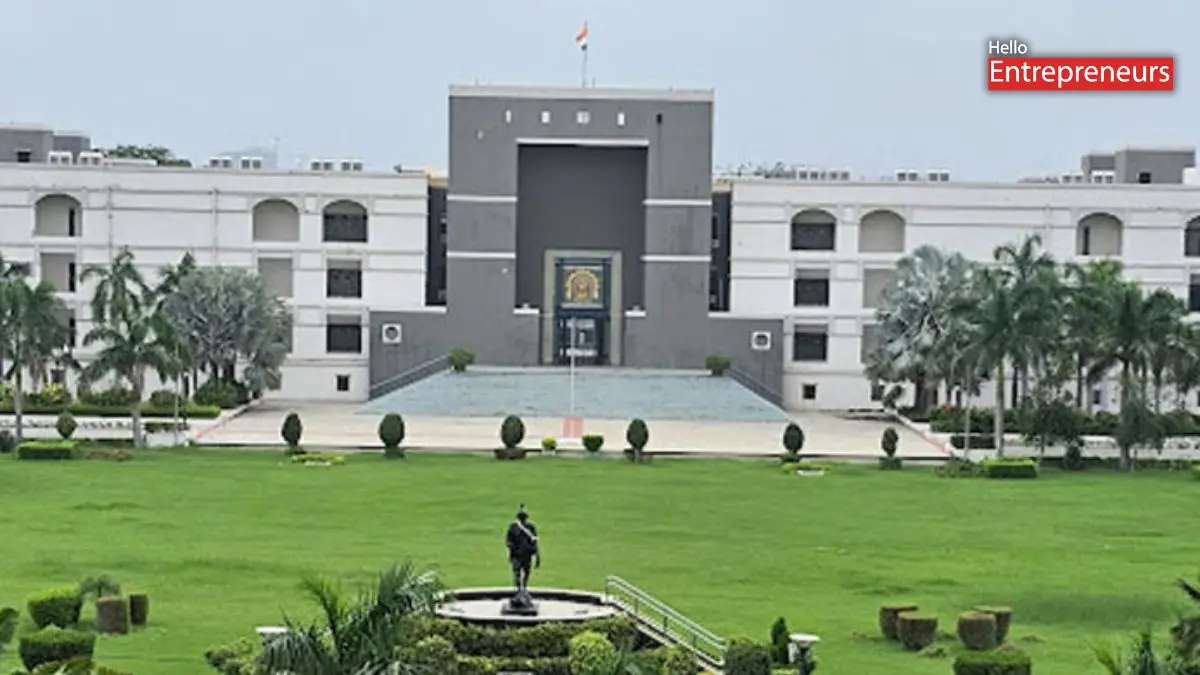
Surat: In a significant relief for taxpayers affected by COVID-era systemic failures, the Gujarat High Court has questioned the rationale behind the Central Board of Direct Taxes (CBDT) circulars that granted waiver of interest under Section 234A only to taxpayers with outstanding dues below ₹1 lakh. The court has granted time to the Chartered Accountants Association Surat (CAAS) to file an additional affidavit specifically challenging the legality of these circulars, observing that there appeared to be no rational basis for such a distinction.
The case relates to Assessment Year 2021–22, when filing Income-tax Returns for FY 2020–21 was severely disrupted. The transition of the Income Tax Department’s portal service provider from TCS to Infosys
coincided with the peak of the COVID-19 pandemic, resulting in repeated technical glitches, login failures, data mismatches, and delayed processing. Tax professionals and taxpayers across the country
reported an inability to file returns within prescribed timelines despite diligent efforts.
While the CBDT extended due dates through multiple circulars acknowledging these hardships, it restricted waiver of interest under Section 234A only to those taxpayers whose net tax liability did not exceed ₹1 lakh. Taxpayers with higher liabilities were denied relief and were charged interest, even though the delays were largely attributable to systemic failures rather than wilful default.
Challenging this classification, CAAS approached the Gujarat High Court, arguing that the circulars created an arbitrary and discriminatory divide among taxpayers similarly placed. “Taxpayers were penalised for circumstances completely beyond their control—portal breakdowns and an unprecedented public health crisis,” CAAS contended, asserting that the ₹1-lakh threshold had no intelligible nexus with the objective of granting relief.
On December 16, 2025, the High Court admitted the matter and allowed CAAS to place additional material on record. The court orally observed that it could not prima facie discern any rational basis for distinguishing taxpayers solely on the quantum of outstanding tax when the cause of delay was common to all.
“This observation from the High Court is crucial, as it strikes at the heart of administrative fairness,” said a senior tax practitioner. “If the circulars are ultimately struck down, thousands of taxpayers may become entitled to refunds of interest already collected.”
The matter was argued before the Tax Bench by Advocates Tushar Hemani and Avinash Poddar. The outcome of this case is expected to have far-reaching implications for taxpayer rights and the limits of executive discretion in issuing tax relief measures during extraordinary circumstances.

