



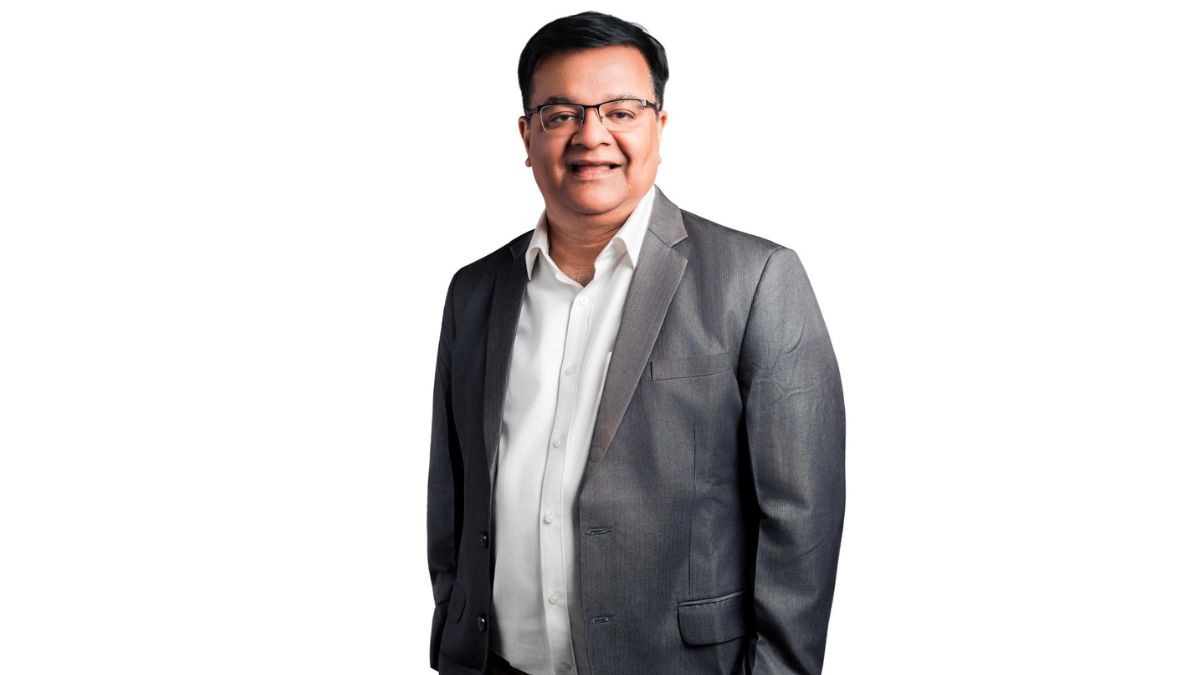
New Delhi: The global employment market is undergoing one of its biggest transformations in decades. Artificial Intelligence, changing workforce expectations, cross-border hiring and skill shortages are redefining how companies recruit and how professionals build careers. According to Prashant Pachisia, Director of Global Talent Square (GTS), the future of work will not simply depend on technology but on creating an efficient global talent ecosystem that connects skilled professionals with opportunities across countries.
Reflecting on his entrepreneurial journey that began in 1993, Pachisia explained how recruitment has evolved from newspaper advertisements and postal applications to AI-powered hiring systems. Earlier, recruiters manually screened resumes and conducted interviews, whereas today AI tools can filter candidates, conduct voice interviews and automate large parts of the hiring process. However, he believes recruitment has become more complex because employer expectations and employee aspirations have changed significantly. Companies now value adaptability, communication skills and the ability to continuously learn as technology rapidly changes workplace requirements.
Pachisia said the turning point for his business came around 2010–11 when India’s rapid hiring across industries exposed a growing gap between employers and job seekers. Companies received hundreds of applications for a single vacancy, making talent identification increasingly difficult. That challenge eventually led to the expansion of workforce solutions under the 2COMS Group, focusing on helping people find employment, build careers and develop new skills rather than simply filling vacancies.
The COVID-19 pandemic became another major milestone. While many businesses struggled during the global crisis, Pachisia’s team used the period to research international workforce demand. They identified significant shortages of healthcare professionals in countries such as Germany and Japan, leading to the creation of Global Talent Square. What started as an initiative connecting Indian healthcare professionals with overseas employers gradually evolved into a broader international workforce mobility platform.
According to Pachisia, the company’s transition from “IndieTalent” to “Global Talent Square” reflected a much larger vision. Instead of limiting recruitment to Indian talent, the company now focuses on sourcing skilled professionals from different countries for global employers. He compares the concept to creating a worldwide marketplace where talent and employers can connect regardless of geography.
Unlike traditional recruitment agencies, GTS manages the complete international mobility journey. This includes language preparation, skill certifications, documentation, visa assistance, migration support and post-arrival guidance. Pachisia believes this end-to-end approach builds confidence for both employers and candidates, particularly small and medium-sized companies that often find international hiring too complex due to legal, documentation and relocation challenges.
Looking ahead, Pachisia believes workforce shortages in developed economies and surplus skilled talent in emerging markets represent two sides of the same global challenge. He describes Global Talent Square as more than a business, calling it an initiative designed to bridge this gap through technology, execution and large-scale workforce solutions. He also acknowledges that building such a global ecosystem will require continuous investment in technology and operational capabilities.
Sharing his approach to identifying future opportunities, Pachisia said successful businesses must combine market data, industry experience and intuition. Monitoring changing workforce behaviour helped the company identify emerging trends such as gig work, on-the-job training and flexible employment well before they became mainstream. He believes organisations must constantly adapt to changing employee expectations and industry needs to remain relevant.
On leadership, Pachisia said his responsibilities have changed dramatically over the years. From personally interacting with job seekers in the early days, he now focuses on strategy, automation and empowering leaders within the organisation. Looking into the future, he believes AI will continue transforming both how people work and what work will exist, making continuous learning and adaptability the most valuable skills in tomorrow’s workforce.

