



GameStop’s $55.5 billion acquisition offer for eBay is a bold, swing-for-the-fences pivot that will either miraculously transform the brick-and-mortar shop into an e-commerce juggernaut or crash and burn under the weight of its own overreach. By betting on a combined physical retailer and online auction house, CEO Ryan Cohen reimagines the tired “turnaround” playbook for legacy businesses. This is no longer just about video games — it is a full-throated, nuclear war on the broader retail logistics and online auction industry.
The Math Behind the $55.5B Deal
Let’s cut to the chase by breaking down the math that GameStop put behind its offer. This is not just a pie-in-the-sky acquisition proposal — GameStop is putting real money on the line to buy out the auction giant.
- The sticker shock: GameStop is offering $125 per share for eBay — a total of $55.5 billion for the complete buyout.
- The payment: GameStop is proposing a 50/50 split between cash and GameStop stock.
- The head start: GameStop has already been quietly building up a 5 percent stake in eBay, signaling to the auction house that it is dead serious and already heavily invested in the platform’s success.
- The funding: With $9.4 billion in combined cash and investments on hand as of the end of January 31, 2026, GameStop is requesting to collect the remainder of the bill through outside financing.
What’s the Point of Buying eBay? The Method Behind the Madness
On the surface, a video game retailer purchasing an online auction house seems like a head scratcher. But looking at GameStop’s proposal makes it clear: this isn’t a random acquisition, but a social experiment designed to help make the transition between brick and mortar stores and digital sales.
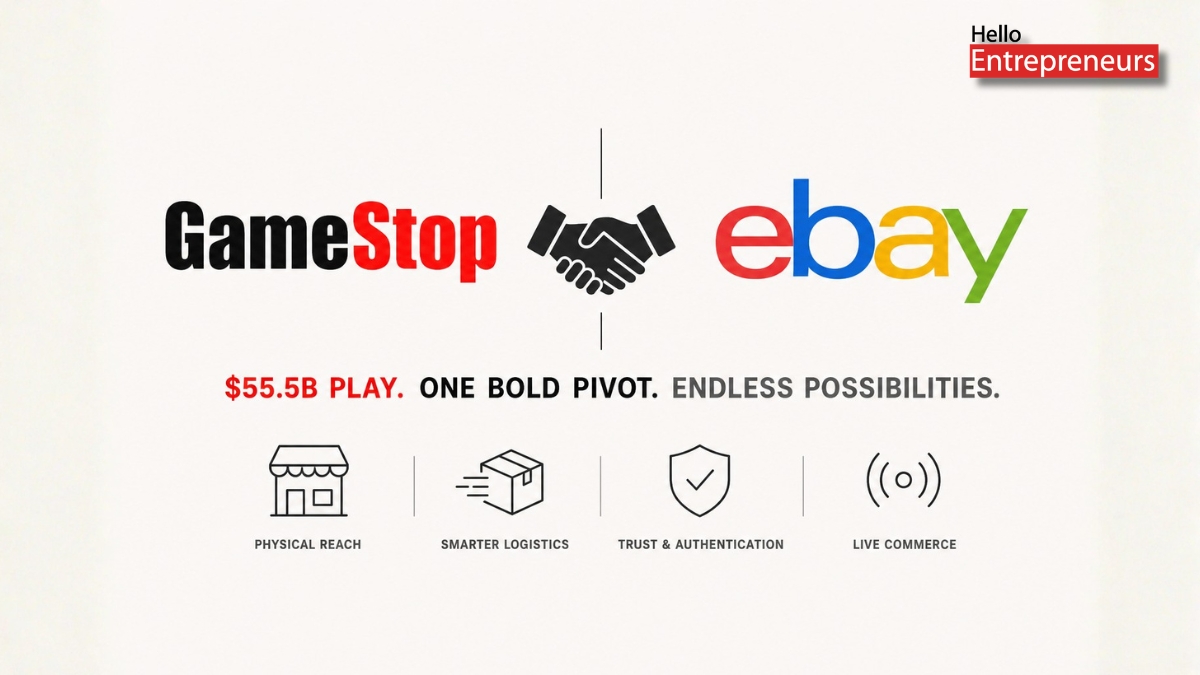
The secret sauce in this acquisition is GameStop’s commercial real estate. The company currently has around 1,600 stores across the United States. Its proposal hinges on using those physical locations as infrastructure to bolster eBay’s entire digital ecosystem.
- Authentication: eBay’s highest priced items (think trading cards, sneakers, vintage games) could be brought into GameStop locations to be verified by experts, minimizing the amount of fraud happening on the platform.
- Handling: GameStop stores could be used as local drop-off, pick-up, and shipping hubs, vastly speeding up eBay’s fulfillment logistics and providing it a physical footprint.
- Live Selling: These retail spaces could be used to host livestreamed auctions and sales, bringing eBay’s seller-to-buyer connection into the modern era.
Cohen’s vision does not really involve introducing new features; it is more about financial discipline. GameStop is going to cut around $2 billion in annual costs from eBay over the first 12 months of the acquisition.
These cuts will come largely out of marketing, internal operations and development. GameStop says these cuts will help the bottom line in the first year, boosting eBay’s earnings immediately. It is a fairly textbook corporate-rescue strategy: Acquire a giant platform, cut excessive corporate overhead, and integrate the platform with existing physical assets to create entirely new value.
Putting His Money Where His Mouth Is
The most remarkable aspect of this proposal is Ryan Cohen’s personal investment in its success. Should the merger be successful, Cohen plans to take the reigns as Chief Executive Officer of the newly combined company.
But his compensation structure is a radical change from other c-level executives:
- Unless the company wins, he gets nothing.
- There is no base salary, which means that he will not take a corporate paycheck.
- There are no cash bonuses, so he gets no guaranteed bonus every year.
- There is no golden parachute, so he will not get a massive severance payout if the merger fails and he is fired.
Cohen’s compensation will be entirely contingent on the performance of the combined company. This is a classic example of putting your money where your mouth is—and should inspire confidence from skeptical investors from both GameStop and eBay camps.

