



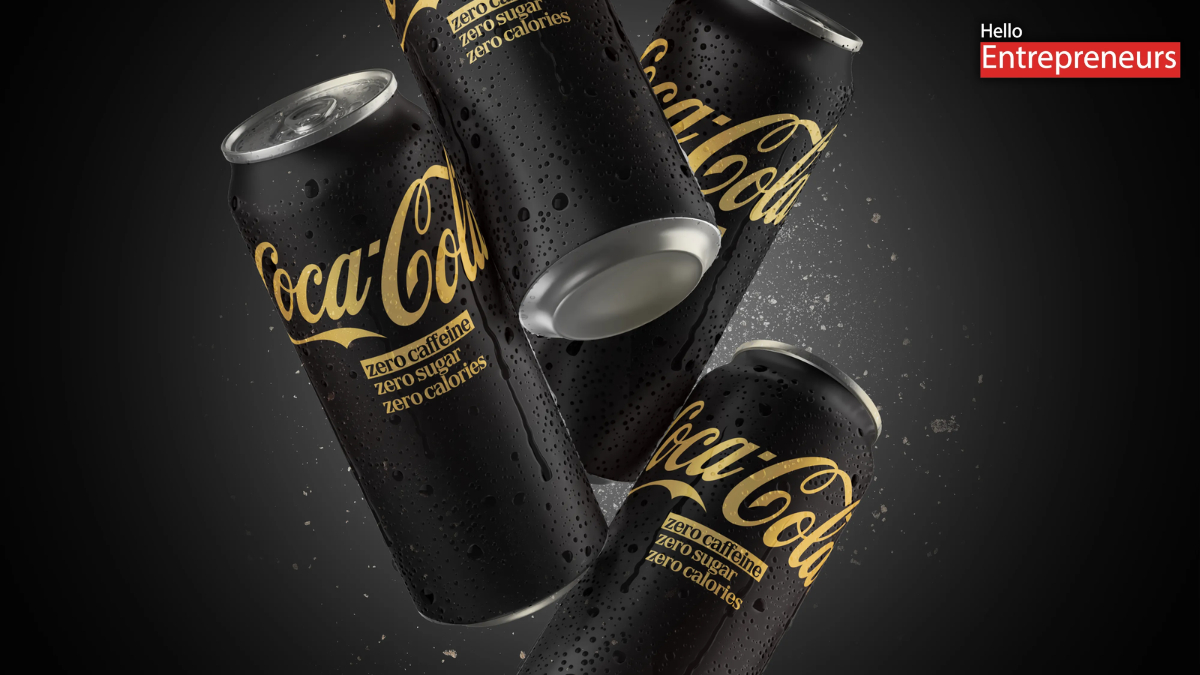
New Delhi: Coca-Cola has introduced a new can in the crowded soft drink market in India: Coca-Cola Zero Zero, no sugar and no caffeine. It is priced at ₹40 per 330 ml can and is now being sold through quick-commerce app Zepto in some cities such as Bengaluru, Mumbai, Hyderabad and Delhi NCR. This will be rolled out nationally in due course. The launch is also tied up to re-launching the old orange beverage Gold Spot that many Indians remember from the earlier years.
The details of its launch are based on the reports that circulate on social media, which may change as the operation goes on.
A cola for midnight
The most significant aspect of the launch is who it’s aimed at. Coca-Cola India has targeting the drink to those who have an affinity for cola but are turned off by the caffeine due to sleep or anxiety or personal choice, using it as an evening or late-night beverage. Cola has been a drink for the day or evening for a long time now. Caffeine-free means that people can enjoy it at a time when they usually would have been drinking water or nothing.
Zero sugar wasn’t enough
For years, sugar-free cola has been the solution for health-conscious people, but one thing has yet to be addressed. There are many consumers that even reduce sugar consumption, but are still avoiding caffeine. Coca-Cola is adding to the number of people who can have a cola without a thought to it. Delivering a different type of product, this packaging is matte black, as opposed to the traditional red can.
Is sugar-free becoming premium?
The price at the rate of ₹40 per 330 ml raises a fair question. Sugar-free cola has always been a specialty drink, and in some cases, more expensive, than the regular cola. Given the high-end appearance of the price, Coca-Cola must assume that zero-sugar and zero-caffeine drinks are a high-end product, targeted at health-conscious consumers in urban areas, and not at the mass market that sells lower-priced, but less desirable, products.
The real competition
Pepsi’s not the only cola that competes with Coca-Cola. The finest bubbles, flavoured seltzers, electrolyte drinks, kombucha beverages and fresh juices all vie for an instant of refreshment. This is borne out in the online response to the launch. Some of the folks who have made it through the caffeine detox laughed, some were really excited, and some said that it’s just “sparkling water with caffeine.” The puns are on target: If there’s a trend toward lighter drinks, a cola that’s not overly complicated to digest makes good sense.
Gold Spot and a wider rethink
The other thread is the return of Gold Spot. The brand evokes the sense of nostalgia and limited runs give a company the chance to buy in for a peckweck. The resurrection is a pointer to a company that’s playing with the heritage and novelty element, alongside Coke Zero Zero. It could be a complete overhaul of its India approach, but the thinking is: greater diversity, more targeted drinks and less ‘one size fits all’ wagers.
Quick commerce as a laboratory
It is also purposeful that this is the first to be launched on Zepto. Quick-commerce apps deliver to young, urban, impulse-driven consumers in mere minutes and provide brands with rapid insights into what products are selling, when and where. In a few locations a new drink will be tried, closely monitored and modified before it goes into every neighbourhood shop. On these sites Coca-Cola could be testing products almost as much as it’s selling them.
Can it be India’s next Diet Coke moment?
There was a whole new category of customers who were buying Diet Coke, which was a new market for the company. Coke Zero Zero is trying to do something similar for those who crave the taste of a cola but do not want to have to ingest either sugar or stimulants. It could take off for some, but not others; price and whether late-night cola drinking gets embedded in the culture are factors.
What consumers should understand
Drinks that contain zero sugar and zero caffeine are not necessarily healthy. Zero-calorie colas are still loaded with artificial sweeteners, acids and other ingredients and health officials are still talking about how to use them. These beverages can be used to replace sugar, but not water. It’s important for shoppers to check labels, consider frequency of use and view them as an occasional choice, not a health product.
The bottom line
Coke Zero Zero is part of an overall trend in the Indian beverage industry: choosing variety, control over one’s beverage and beverages suited to differing time of day. The success of this specific can will rely on shoppers’ reactions after the novelty wears off.