



New Delhi: Entrepreneurship is often associated with business degrees, large investments and years of corporate experience.
Durgesh Shimpi’s story challenges that idea.
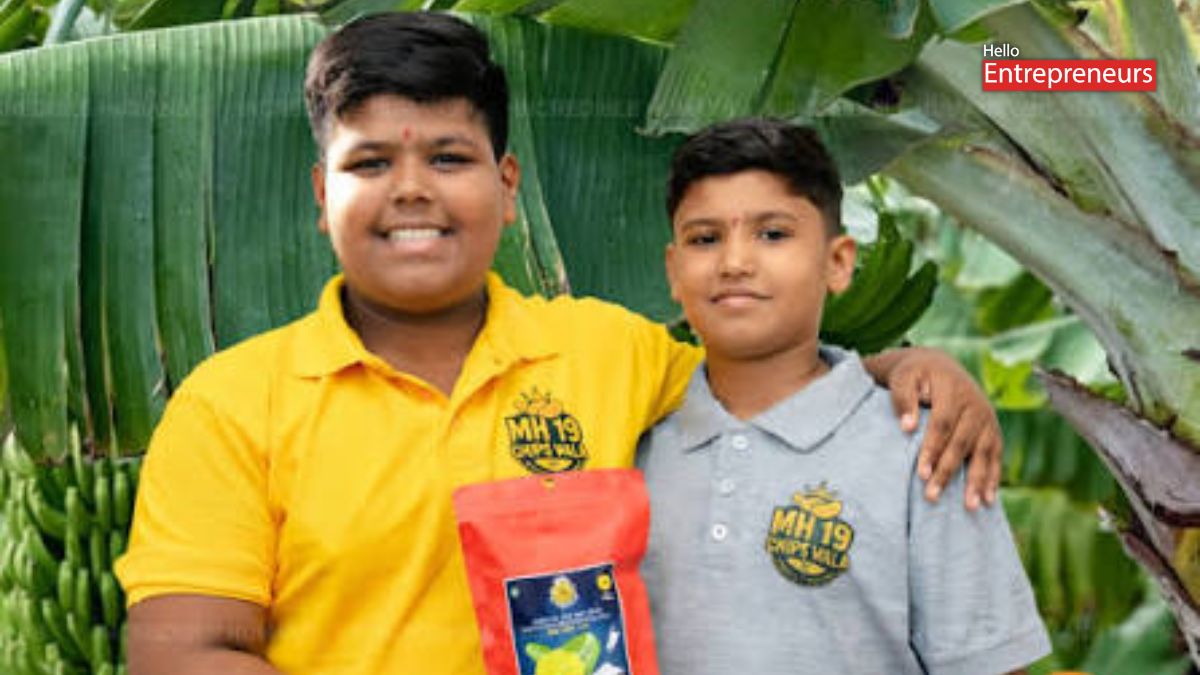
At just 16, the Maharashtra teenager has built a banana-chips business called MH19 Chipsvala, reportedly valued at around ₹3 crore. What makes his journey unusual is not only his age, but also the personal circumstances that shaped his decision to become an entrepreneur.
Durgesh lost his father when he was only nine years old. The experience forced him to understand responsibility at an unusually young age.
Instead of waiting until adulthood to enter business, he began learning about local markets and trading. Those early experiences helped him understand basic skills such as negotiating prices, dealing with customers and identifying products that people wanted.
The idea for the chips business eventually began on a much smaller scale.
What started from a kitchen gradually developed into a brand. Banana chips may appear to be a simple product, but turning a homemade snack into a business requires control over quality, packaging, distribution and customer relationships.
Durgesh’s story also highlights a different side of India’s entrepreneurship culture.
For years, startup success was strongly associated with technology companies backed by venture capital. Today, thousands of young entrepreneurs are building businesses around food, manufacturing, fashion, retail and local products.
These businesses may not receive the same attention as technology startups, but they can create meaningful revenue and employment.
MH19 Chipsvala is an example of how a traditional product can be presented as a modern consumer brand.
The name itself gives the business a strong local identity, while the product connects with a familiar Indian snack category.
The company’s reported ₹3 crore valuation is especially notable considering Durgesh’s age and the fact that his journey began without the conventional advantages associated with startup founders.
But valuation is not the only measure of the story.
The more interesting question is how a teenager learned to run a business while still attending school and managing the challenges of growing up.