



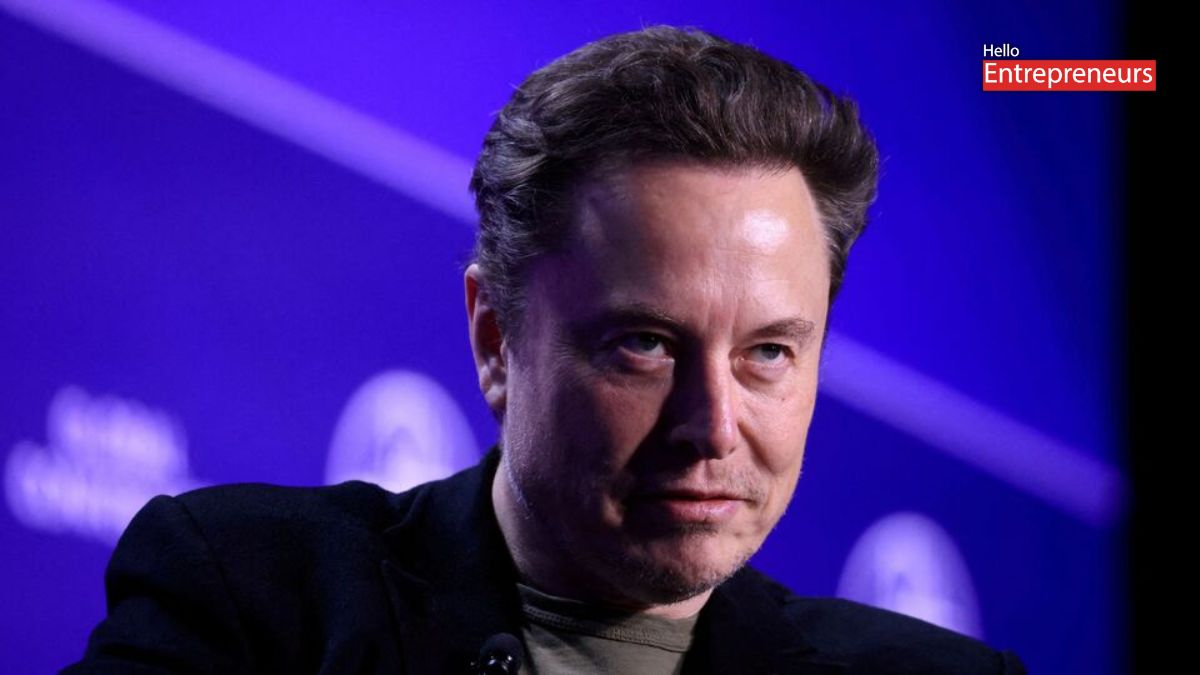
New Delhi: SpaceX CEO Elon Musk is making an even bigger bet on Starlink as the satellite internet business prepares for its next major technology upgrade. Musk has said the upcoming Starlink V3 generation could eventually provide around 100 times the bandwidth capacity of the current system, a jump that could significantly expand the company’s ability to serve customers and generate revenue.
The claim comes as SpaceX prepares to begin deploying its next-generation V3 satellites later this year. According to SpaceX, a V3 satellite is designed to provide about 1 terabit per second of downlink capacity, nearly 10 times the downlink capacity of a V2 satellite. Its uplink capacity is planned at 160 Gbps, around 22 times higher than V2.
Musk’s 100-times figure goes beyond the capacity of an individual satellite. The larger increase is expected to come from combining the more powerful V3 satellites with a much larger launch capacity. SpaceX has said Starship could carry up to 60 V3 satellites in a single mission. That could allow the company to put much more bandwidth into orbit with fewer launches compared with its earlier Falcon 9-based deployment model.
During SpaceX’s recent earnings discussion, Musk argued that investors may be underestimating Starlink’s future. He pointed out that V3 satellites are expected to be roughly 10 times more powerful than the previous generation, while SpaceX also plans to launch them at a much higher scale. Together, he said, this could create as much as a 100-fold increase in available bandwidth.
The financial opportunity is equally important. More bandwidth means Starlink can potentially support more users, provide higher speeds and offer additional services without the same capacity limits faced by the existing network. Musk has suggested that even if the company eventually charges less for each unit of data, a much larger overall volume of traffic could still produce strong revenue growth.
Starlink has already become one of SpaceX’s most important businesses. The company’s first earnings report after its public listing showed that Starlink subscriptions had doubled to about 12 million, helping SpaceX generate quarterly revenue of $7.8 billion, up 90% from a year earlier.
However, the expansion also comes with major costs. SpaceX is spending heavily on satellites, launch infrastructure and artificial intelligence projects. The company reported a $541 million loss in its latest quarter despite the sharp increase in revenue.
For Starlink, V3 therefore represents more than a satellite upgrade. It is central to Musk’s plan to turn the network into a global communications platform with enough capacity to serve millions more customers. The key test will be whether SpaceX can deploy V3 satellites quickly, keep launch costs under control and convert the huge increase in technical capacity into equally strong commercial growth.