
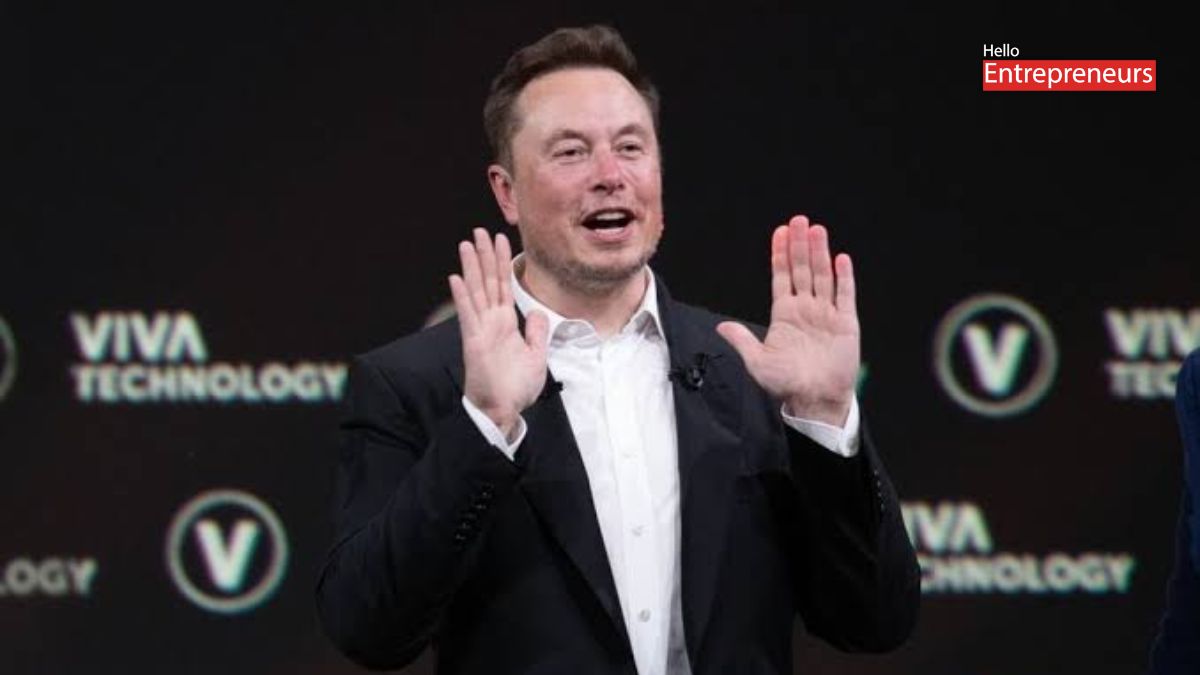








New Delhi: Elon Musk, the billionaire entrepreneur behind Tesla, SpaceX and several major technology ventures, has sparked a fresh debate over wealth, artificial intelligence and philanthropy after suggesting that he may eventually give away a large part of his fortune.
The discussion began after economist Daron Acemoglu challenged Musk’s view that rapid advances in artificial intelligence and robotics could make money far less important in the future. Acemoglu argued that if Musk truly believes technology will create a world of abundance, he should consider committing much of his wealth to charitable causes within the next decade.
Musk responded that he may do “something along these lines,” creating speculation that he could make a major philanthropic pledge. However, he has not announced a specific amount, timeline or plan for how the money would be used.
The idea is significant because Musk’s wealth is closely linked to the value of companies such as Tesla and SpaceX. A large donation could potentially become one of the biggest philanthropic commitments ever made by an individual. It would also place Musk in a conversation with billionaires such as Warren Buffett, who has pledged to give away most of his wealth and has already donated a major portion of his Berkshire Hathaway shares.
Musk has often argued that AI, advanced robotics and clean energy could create a future in which goods and services become cheaper and more widely available. In such a world, machines could perform many routine jobs, while automation could increase production and reduce costs.
However, economists and technology experts say the benefits of AI may not automatically be shared equally. While AI can improve productivity, support scientific research and help businesses reduce costs, it may also replace certain jobs and increase the gap between people who own advanced technology and those who depend mainly on wages.
The debate also raises questions about the role of billionaires in solving social problems. Critics argue that large charitable donations should not replace government policies on education, healthcare, poverty and employment. Others believe private wealth can support innovation and help fund projects that governments may find difficult to finance.