



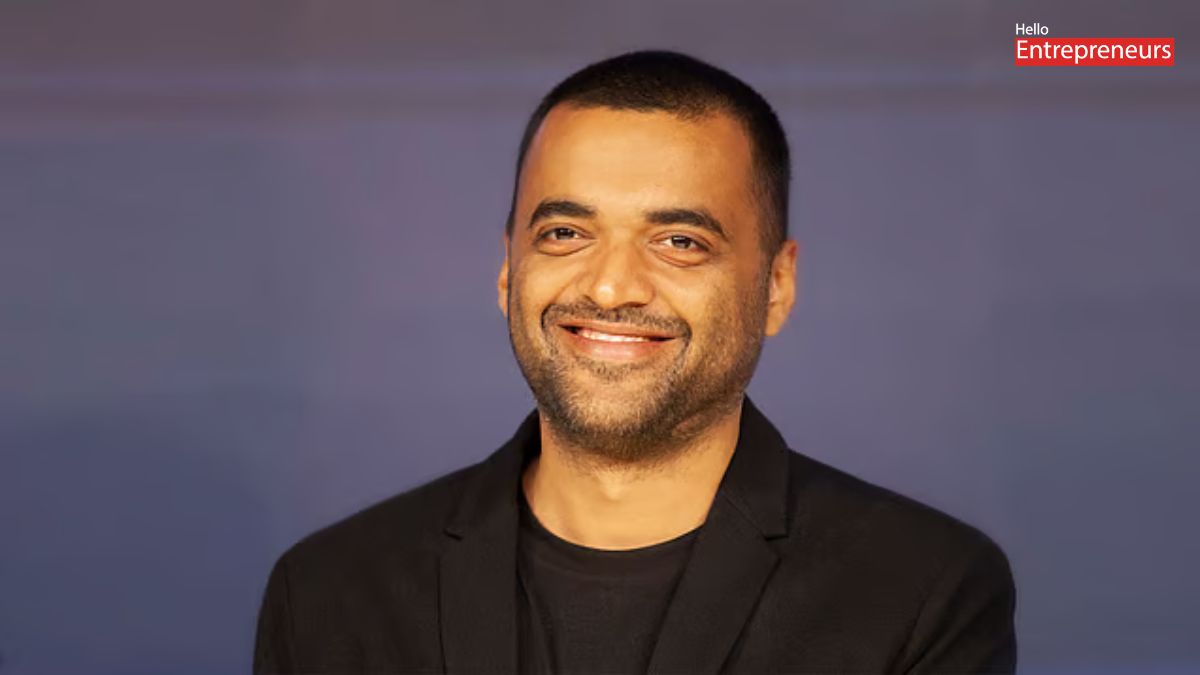
New Delhi: Few entrepreneurs have influenced India’s startup ecosystem as consistently as Deepinder Goyal. Over the years, the founder has transformed Zomato from a restaurant discovery platform into a diversified technology-driven business, making his strategic decisions closely watched across the entrepreneurial community.
The company’s evolution reflects broader changes within India’s consumer technology sector. What began as a food-tech business gradually expanded into food delivery, logistics and quick commerce. This willingness to adapt has helped the company remain relevant despite changing market conditions and intense competition.
One of Goyal’s most significant moves was the acquisition of Blinkit. Initially viewed as a risky bet by some analysts, the quick-commerce platform has emerged as a major growth engine amid rising consumer demand for ultra-fast deliveries.
India’s quick-commerce market has become one of the most competitive segments in the startup ecosystem. Companies are investing heavily in dark stores, logistics infrastructure and technology to reduce delivery times and improve customer experiences.
Entrepreneurs are particularly interested in Goyal’s ability to identify emerging opportunities before they become mainstream. His approach has often involved taking calculated risks while maintaining a long-term perspective on industry trends.
Industry experts believe his growing influence extends beyond food delivery. As sectors such as AI, logistics and commerce continue evolving, founders are paying close attention to where Goyal chooses to invest his time and resources.
The broader startup ecosystem also sees him as an example of successful reinvention. Rather than remaining focused on a single product category, he has consistently explored adjacent opportunities that complement existing strengths.
Investors increasingly favor founders capable of building interconnected business ecosystems rather than standalone products.

