



New Delhi: Deepinder Goyal has spent months telling critics to wait for the launch. Pre-orders opened on November 1, so now they’re being asked to pay.
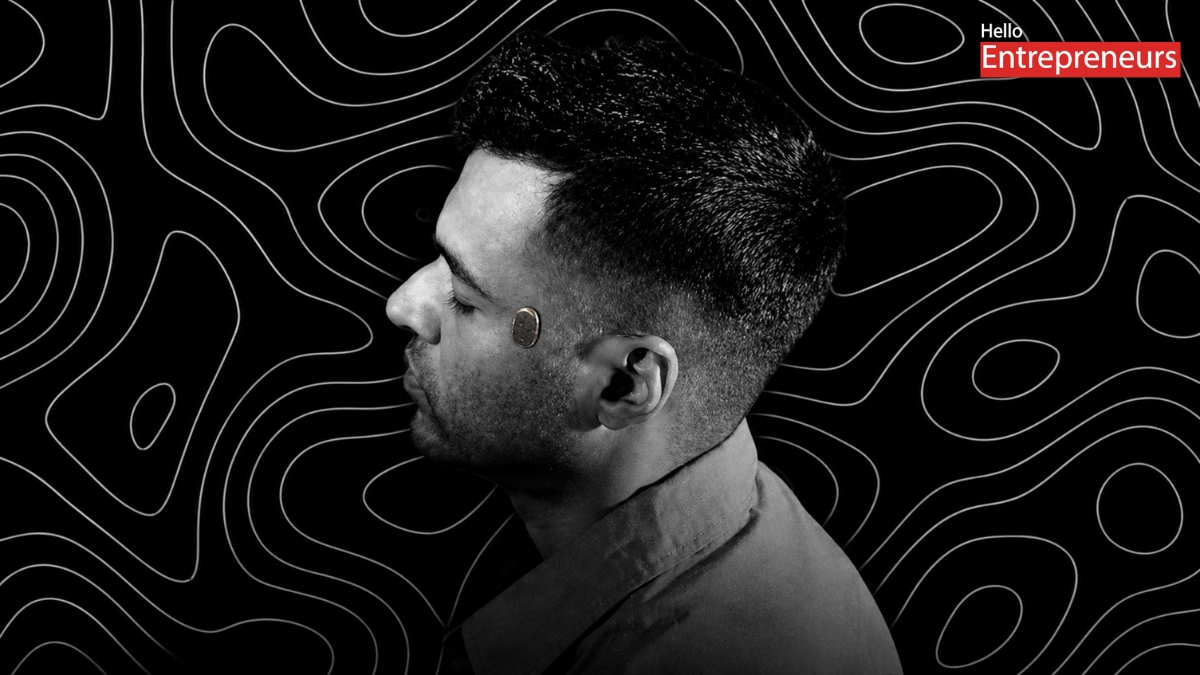
Temple is the wearable from the Zomato founder, who also leads Eternal. It clips to the side of the head and tracks heart rate, physiological strain and blood flow signals. The first batch costs ₹85,000, with delivery expected in roughly three months. The ordering site buckled under traffic on day one, and Goyal acknowledged on X that orders were still going through on the app.
Demand is not the problem. Evidence is.
Doctors on X, TheLiverDoc among them, argue that Temple picks up blood flow in the scalp, not in the brain. They point out that the pre-prints behind it use small samples. Goyal has said the device is a fitness and wellness product, not a medical one. He also says he has put about $30 million into development, around $20 million of it his own money.
That figure is large, and it’s easy to read it as proof of something. It isn’t. A ₹188 crore personal bet shows conviction, and it does buy engineering, but it doesn’t show the sensor measures what the marketing implies. Money is not a validation study.
The return window as a test
The company does offer a 14-day return policy, which is a decent consumer safeguard. But it’s a weak scientific test. Two weeks tells a buyer whether the strap is comfortable and whether the app is pleasant. Early users have praised the comfort, the meal detection and the sleep tracking. None of that settles whether the blood flow readings mean what the brand says they mean. A returns policy can measure satisfaction. It can’t measure validity.
Who carries the responsibility?
The wellness label does a lot of work here. It lets a company sell a device with a pitch about brain health without going through the approval path a medical device would face. That is legal, and common worldwide. But when a product is priced like a medical instrument and described in the language of neuroscience, the line between wellness and medicine gets blurry. Goyal’s disclaimer is clear. The question is whether buyers will read the product page that way, or the public conversation around it.
The real rivals
Temple is often compared with Apple’s watches or Whoop. I think that’s the wrong comparison. Those products sell trends and habits, and nobody expects them to diagnose anything. Temple’s pitch is closer to physiology, so its competition is arguably established testing: the scans, labs and clinical assessments a doctor would trust. A wearable that reads like a medical test will be judged like one.
A new market, maybe
There is a real opening. India has plenty of buyers willing to pay premium prices for health tech, and nobody has built a serious ultra-premium wearable category at home. If Temple delivers a good product, it could become the reference point for that segment. A lot of people clearly want to try it, going by the pre-order rush.
The researchers matter most
Still, the hardest group to win over isn’t customers. It’s independent researchers. Goyal has said independent studies are coming, and that is the right move. Findings from outside labs, with larger samples and methods others can check, would do more for Temple than any amount of marketing or any celebrity-founder presence on a podcast. If those studies back the product, the critics lose their strongest argument. If they don’t, no return policy will fix that.
For now, the pre-orders are a vote of curiosity. Whether Temple turns into a category or a cautionary tale will depend on data that hasn’t been published yet.

