



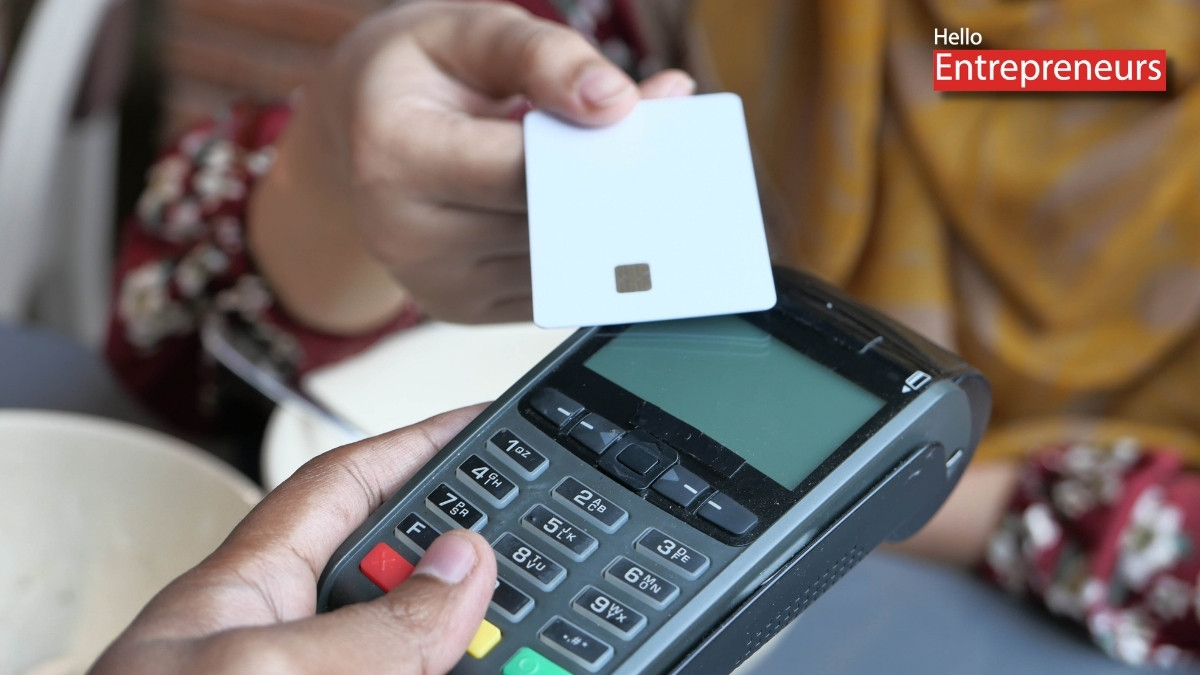
New Delhi: While the journey of digital payments in India has been lauded with the introduction of UPI, credit cards play a more significant role in consumer spending than one might imagine. Credit cards are becoming a popular tool for everyday spending, as well as for large-ticket items, whether used for online shopping, travel arrangements, or bills and food deliveries.
The Reserve Bank of India (RBI) recently issued a report that underscores the speed at which this change is occurring. India’s credit card transaction volume increased by more than 2.6 times to 570 crore in calendar year 2025 from 216 crore in 2021, according to the RBI’s Payment System Report, December 2025. Transaction value rose significantly, from Rs 8.9 lakh crore to Rs 23.2 lakh crore, growing at about 27% annually.
This growth is a sign that more Indians are changing their behaviour regarding spending and borrowing. Consumers are more at ease obtaining short-term credit for everyday living expenses, which they might once have paid for with cash or debit. The pandemic, in many respects, hastened this shift, driving merchants and users alike toward digital-first payment systems.
What’s striking is that credit card usage is no longer reserved for affluent users coming from the metros. Banks and fintech companies have been aggressively reaching out to tier 2 and tier 3 cities and are ready to cater to the self-employed, younger first-time homebuyers, and salaried professionals. The category has become more accessible than ever thanks to instant approvals, in-app onboarding, and co-branded reward cards.
Meanwhile, debit card transactions have begun to slow down. In 2025, the number of debit card transactions dropped from 408.7 crore in 2021 to 133.6 crore, and the transaction value also decreased from Rs 7.4 lakh crore in 2021 to Rs 4.5 lakh crore, RBI data indicated. The central bank said the dip was due to increasing competition from UPI, digital wallets, and credit card penetration.
The overall digital payments landscape is also growing rapidly. According to the RBI report, the volume of digital payments in India surged 33-fold in 2016–25, while the value grew by almost 300%. In the past five years alone, digital payment volumes more than quadrupled, reinforcing that consumers favor electronic payment methods.
The credit card business remains largely in the hands of private-sector banks. They increased their share of outstanding credit cards to 71.1% in December 2025, up from 67.7% in December 2021, further solidifying their position in the segment. In the public sector, banks had a 23.9% share, while foreign banks’ share declined significantly from 9.3% to 3.8% in the same period. As of December 2025, a total of 14 lakh credit cards had been issued by small finance banks.
It’s also reflected in consumers’ habits. Credit cards are being integrated with UPI platforms, so one can pay small merchants directly with card-backed credit. RuPay credit cards linked to UPI are believed to have seen significant growth in the last two years, contributing to the expansion of card usage beyond the conventional swipe-based system and into online transactions.
Customer acquisition is becoming more competitive among banks as well. Card strategies have become about spending for rewards, cashback offers, travel benefits, and entertainment partnerships. Multiple lenders are leveraging data analytics to tailor offerings and stimulate users to make more transactions.
However, the surge in consumer credit without collateral has caught regulators’ attention. The RBI has issued several warnings about banks’ lax lending standards as retail credit growth accelerates. Despite the overall improvement in digital payment security in recent years, concerns about fraud and repayment stress remain a topic of conversation.
The rise in credit card usage can be seen as part of a larger shift towards a new financial landscape in India. Digital payments are no longer perceived as an alternative —they are becoming the norm for millions of consumers. UPI is still leading in transaction volume, but credit cards are slowly gaining importance in India’s rapidly transforming consumption market.
The RBI data, therefore, indicate more than just a rise in spending. It indicates a shift in consumer confidence, increased use of formal credit, and greater integration of digital finance into daily life.

