



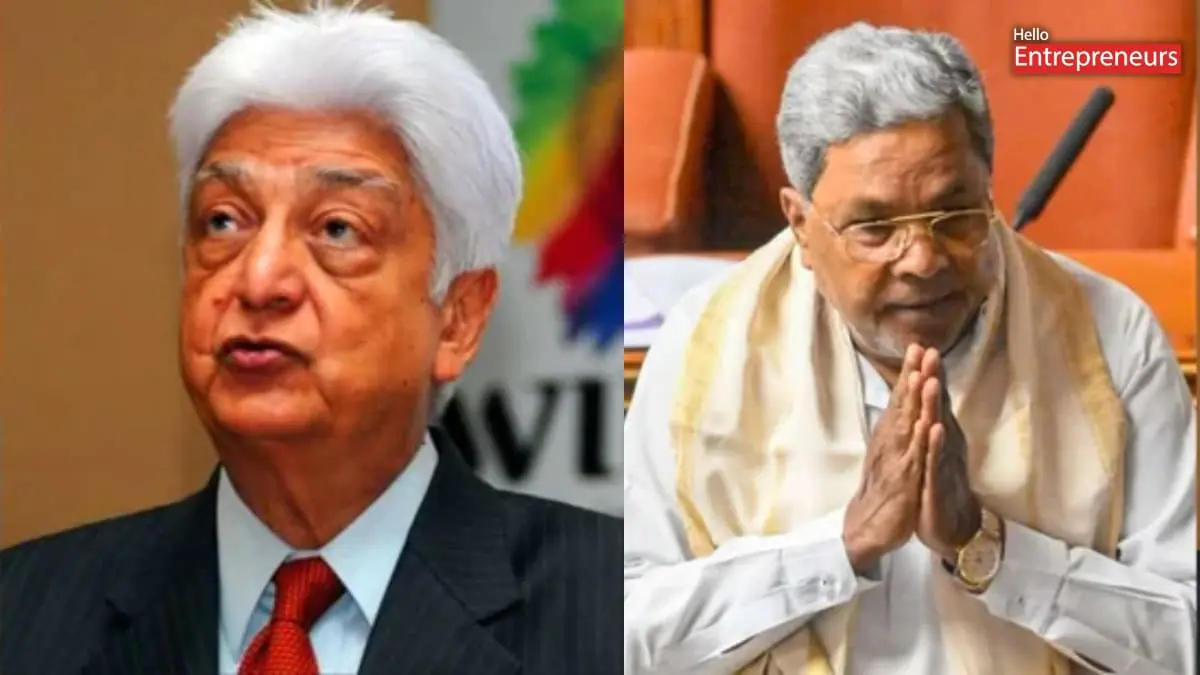
New Delhi: Bangalore Outer Ring Road (ORR) is once again in the limelight because of traffic congestion, particularly around the Iblur crossing during the rush hours. Karnataka Chief Minister Siddaramaiah has now sought the assistance of Wipro founder Azim Premji, in alleviating the issue. In one of the letters he lauded Wipro on its contribution to the development of the city but pointed out that the issue of traffic jam in the locality is already impacting the commutes to work, efficiency and even the livelihood of local people of Bengaluru.
The CM proposed a viable alternative: permission to use vehicles in Wipro, but within the frames of the acceptable conditions and the security controls. This, according to experts, would help in lessening the traffic jams along the adjacent ORR roads, by up to 30 percent particularly during the office rush hours. Siddaramaiah stressed out that a collaborative strategy between Wipro and the state would help in bettering commuter lives and making the city livable.
This is a step that follows increased criticism of Bengaluru road infrastructure. Some of the most powerful personalities in the industry such as the former CFO of Infosys Mohandas Pai and the chairperson of Biocon Kiran Mazumdar-Shaw have spoken out regarding the traffic and commuting situation in the city. Even recently, logistics platform BlackBuck transferred part of its operations elsewhere out of Bellandur because of poor traffic conditions. Deputy CM D K Shivakumar, on the other hand, came to the defence of the government by claiming that potholes and traffic problems are not unique to Karnataka, but are widespread in many other cities in India, not to mention Delhi. Heavy rains are also said to be hindering civic teams that are repairing almost a thousand potholes daily.
This appeal is quite timely since the opposition has organized a statewide road blockade to protest against the deteriorating infrastructure which BJP has planned. Allowing the roads within the campuses of Wipro would be a little yet significant measure to decongest the area, and also demonstrate good proactive governance. Although it is not a rule that privately owned companies are supposed to handle the roads in the country, such partnerships would be a prototype in addressing the traffic issues in the rapidly developing cities in India.
The Bengaluru citizens are still hoping that solutions will be found that will be a compromise between the interests of the people and the cooperation of the private entities. Should this plan be successful, it may not only relieve the ORR traffic, but may also provide an example of how city planning and corporate responsibility can serve in tandem.

