



New Delhi: US President Donald Trump has given the go-ahead for imposing a fresh 500% tariff on India, as the Sanctioning Russia Act, 2025 is expected to be taken up in the US Congress early next week.
Under the proposed bill, any country engaging in buying Russian-origin uranium or petrolum products could face a 500% tariff in relation to the value of the goods and services exchanged. Despite the unreasonable 50% tariffs imposed in 2025, India continues to defy the US by purchasing cheaper Russian oil.
“We are fully aware of the proposed bill being discussed, and we are carefully monitoring all related issues and developments connected with it. At the same time, I would like to say that, as far as energy sources are concerned, you are well aware of our approach. We take into account the conditions and environment in the global market, while also keeping in mind our imperative of ensuring that energy is made available at affordable prices to our 1.4 billion people. Based on these factors, we determine our strategy and policy.” MEA Randhir Jaiswal told a media briefing held at 4PM on January 9.
VIDEO | Delhi: Responding to a media query regarding US President Trump backing a 500% tariff bill on Russian oil, MEA spokesperson Randhir Jaiswal (@MEAIndia) said, “We are fully aware of the proposed bill being discussed, and we are carefully monitoring all related issues and… pic.twitter.com/MzQWssmH8g
— Press Trust of India (@PTI_News) January 9, 2026
According to analysts, a 500% tariff on Indian exports could wipe out India’s entire $120 billion exports to the US!
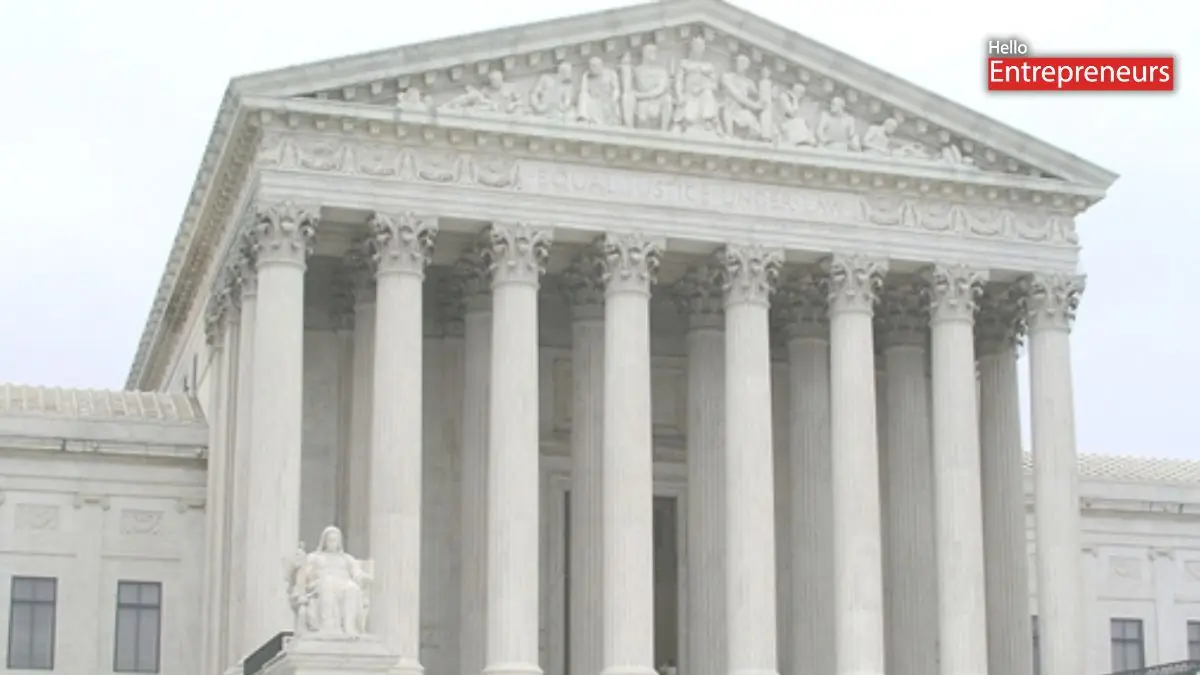
Though investors continue to be concerned, the threat isn’t as imposing as it looks. The US’s Supreme Court is expected to hear challenges to the legality of Donald Trump’s tariffs, even as the Bill will have to pass the Senate to become law.
Though we cannot predict the outcome of the Supreme Court’s decision, which is expected soon, a loss may not mean the end to the tariffs, as the White House has other legal tools, including the 1962 Trade Act to keep the tariffs in place legally.
For now, all eyes are on the US Supreme Court as its verdict could reshape the trade relations between India and the US.