



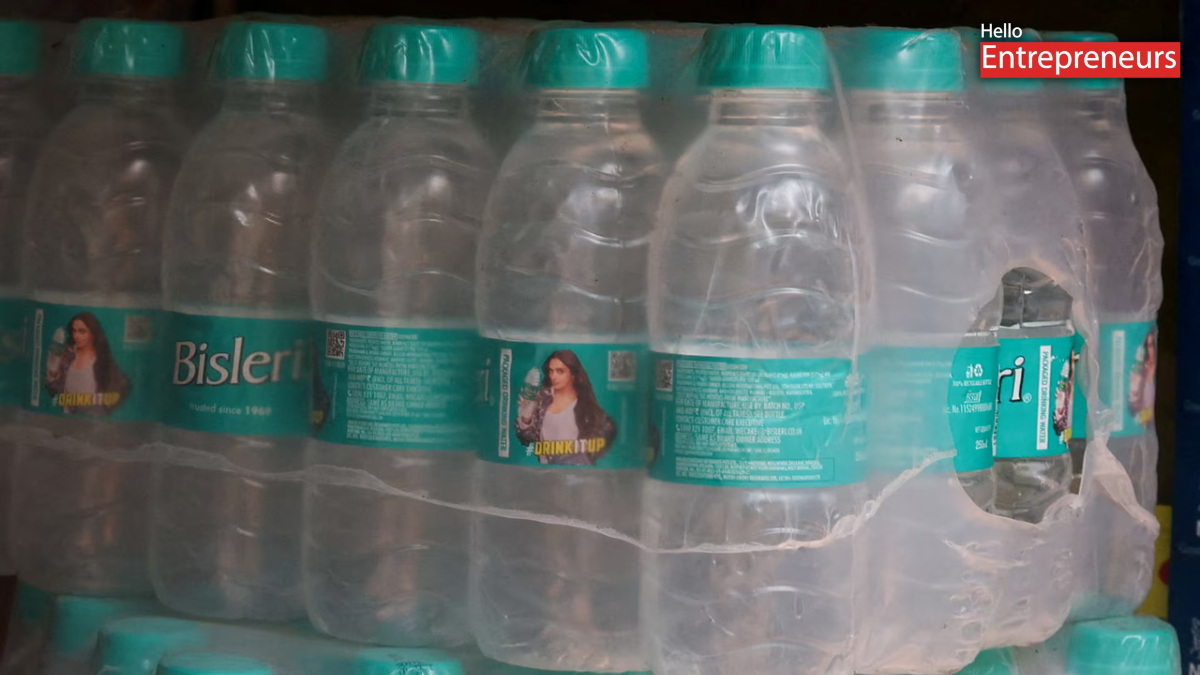
New Delhi: India’s bottled water industry is facing a flak over one particular packet of packaged water. The Food Safety and Standards Authority of India (FSSAI) clarified on 23 November that its action against Bisleri is with respect to only one Lot (GO 270) manufactured at Bisleri’s plant in Goa.
What was flagged
FSSAI had already announced that the sample would be prosecuted as it did not meet the laboratory test results for Bromate level. The order barring sale came from the regulator under Section 36(3) of the Food Safety and Standards Act, with respect to the Batch GO 270. FSSAI also asked Bisleri to conduct a root cause analysis.
Bisleri replied on November 24. The company added that the move was only made for a batch made in September 2025, which is no longer circulating, and that this was revealed during later tests which had come within the limits. It also stated that none of its 143 manufacturing units have been suspended and they are all compliant. Goa facility is working without any suspension order. The company noted that it makes more than 50,000 batches a year.
What bromate is
Bromate is a chemical that can be produced if ozone is used to disinfect drinking water and the source water contains bromide. It is regulated for a maximum value in packaged water and could be declared unsafe if it exceeds the limit. The number is significant because it was based on the sample tested and the laboratory that tested the sample.
Why the results changed
In case of an appeal, the company can do so under the Food Safety and Standards Act and the report of the referral lab is final in these instances, FSSAI stated. In a retest at the National Food Laboratory, bromate was not measurable, but there was found to be a small amount of PAH, or polycyclic aromatic hydrocarbons, which are very strictly regulated in drinking water.
Bisleri’s retest story is more detailed. It states that all six samples passed the initial test and a subsequent test detected the presence of PAHs in one sample from GO 270 and another sample from the same batch passed all tests. According to one report, the concentration of PAH is 0.144 micrograms per litre. In February 2026, the company notified the FSSAI of discrepancies in the PAH results and requested retesting, and no further samples of PAHs have been found in adverse quality across all of the Company’s plants.
The question that remains
The headline – bromate levels came in below the limit, resolves one issue, but not the entire case. FSSAI’s clarification categorises the batch as non-compliant, and the issue now lies with the PAH finding. Bisleri has declined to accept it and FSSAI has not cancelled the order. Both roles were on the record and the final result will be dependent on the legal process.
What it says about the industry
Bisleri has 143 plants, but how consistent is it to ensure quality across so many locations is a good question. One bad sample does not represent a system-wide issue, which the company says it does not have, 14 months prior to the public row. It does give an idea of the time it takes to test, appeal, and review the appeals for the lab.
The take-away for consumers is about batches, not brands. Each bottle has a batch number and a manufacturing date, and regulatory action such as this is tied to these attributes. There’s no indication that any bottle sold today is affected, as the batch in question is said to be off the market.
Transparency and trust
The episode also puts to the test the amount of information the public receives. The consumers were given an unsafe-sample report, then a clarification, then a company statement, and each said all seemed to say something slightly different. Public notices would be clearer and faster and would include the parameter tested, the result, the retest result, and the results of any appeal. It was the same online reaction, with initial alarm being followed by relief when it became clear that only one old batch was involved.
The commercial risk for Bisleri is in their reputation. A long period of trust can be undermined with one headline and the company has reacted by emphasising its quality history and working with regulators. The end of the root cause analysis and the legal proceedings will determine the public perception of the episode.