
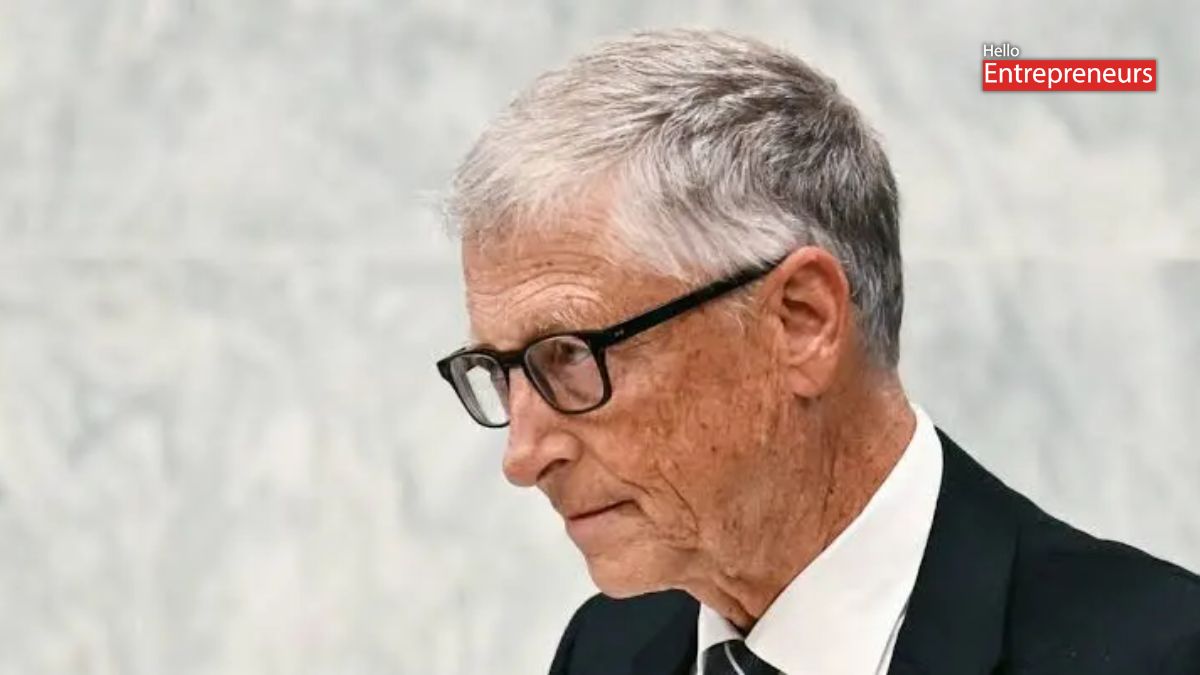








New Delhi: Bill Gates decision to withdraw from the India AI Impact Summit in February created headlines across India and abroad, particularly because the Microsoft co-founder was expected to deliver a keynote address at one of the country’s biggest technology events.
Gates was scheduled to speak at the India AI Impact Summit in New Delhi on February 19, 2026. However, only hours before his appearance, the Gates Foundation announced that he would no longer deliver the keynote. Ankur Vora, president of the foundation’s Africa and India offices, represented the organisation instead.
The foundation said the decision was made to keep attention on the summit’s main priorities. It also confirmed that the foundation remained committed to its work in India.
Gates’ withdrawal attracted additional attention because it came amid renewed scrutiny of his past interactions with Jeffrey Epstein, the late financier and convicted sex offender. The renewed scrutiny followed the release of US Department of Justice emails. Reuters reported that the timing of Gates’ withdrawal came as questions surrounding those links intensified.
The Gates Foundation’s explanation did not directly mention Epstein, and it is important not to present the timing as proof of a specific reason for his withdrawal. The foundation publicly framed the decision around keeping the summit focused on its key priorities.
The absence was notable because the India AI Impact Summit brought together some of the world’s biggest technology and policy figures. OpenAI CEO Sam Altman, Google’s leadership and other international technology executives were among the high-profile participants.
Despite Gates’ absence, the summit went ahead and became a major platform for India’s AI ambitions. The government said the event attracted around six lakh people in person, while the India AI Impact Summit Declaration was endorsed by 92 countries and international organisations. Investment commitments across the AI value chain were also announced at a scale exceeding $250 billion, according to the government.
The summit focused heavily on the idea of making artificial intelligence useful beyond major technology companies and wealthy countries. India’s government presented AI as a tool for areas such as healthcare, education, agriculture and public services, particularly across the Global South.