
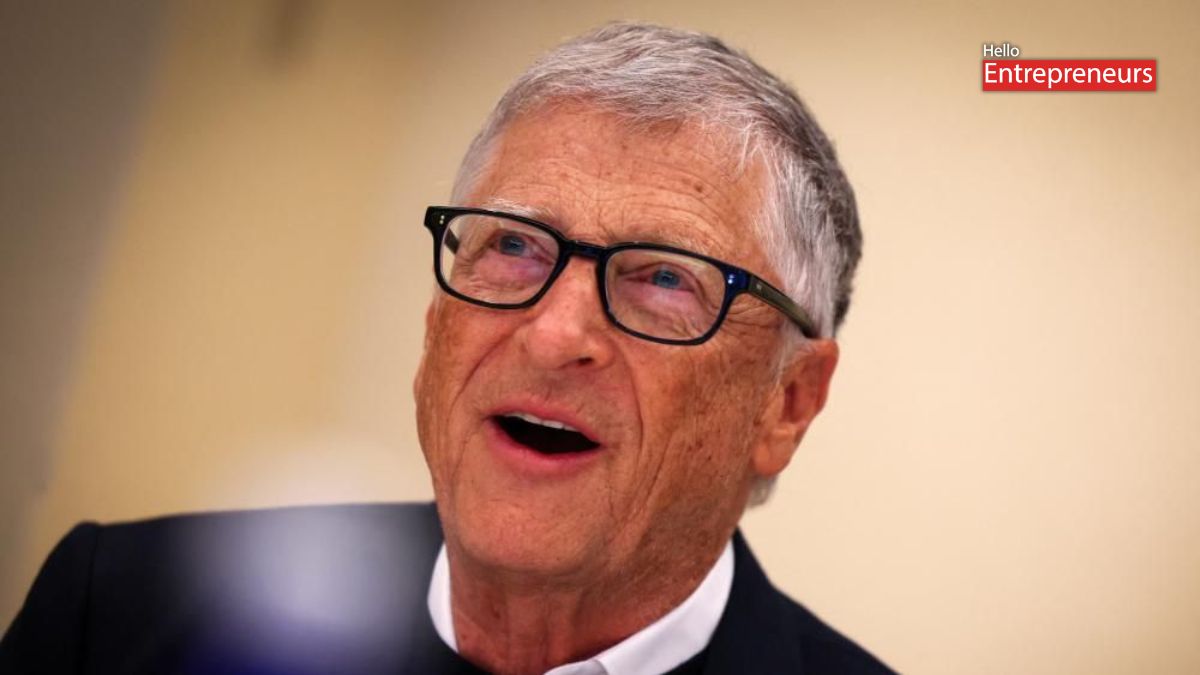








New Delhi: Bill Gates’ post-Microsoft career is increasingly focused on problems that go far beyond software.
The Microsoft co-founder is now putting significant attention on climate technology, nuclear energy, global health, poverty reduction and scientific innovation. His investments and philanthropic work suggest a strategy built around technologies that could take years to develop but potentially have a large global impact.
Gates is the founder of Breakthrough Energy, an organisation created to accelerate innovation in clean technologies. He is also the founder of TerraPower, a company developing advanced nuclear-energy technology.
Climate technology remains one of his biggest areas of interest. Gates has invested billions of dollars in technologies including direct-air capture, solar energy and nuclear fission through his climate-focused activities.
Nuclear power has become particularly important.
TerraPower is developing the Natrium advanced nuclear reactor in Wyoming. The project is designed to use a new reactor system and energy-storage technology, with the aim of producing reliable electricity with lower carbon emissions.
The company has continued moving toward construction. Reuters reported in 2026 that TerraPower had secured all of the long-lead items needed for the Wyoming project, an important step for a technology that has faced long development timelines.
The attraction for Gates is straightforward: if the world wants to reduce carbon emissions while electricity demand keeps increasing, clean and reliable power will be essential.
AI is making that challenge even more important. Data centres and AI systems require large amounts of electricity, creating new demand for reliable energy.
Gates’ philanthropic focus is different but connected to the same long-term approach. Through the Gates Foundation, he continues to support work related to global health, disease prevention, poverty and development.
This makes Gates different from many technology billionaires. Rather than focusing primarily on building another consumer technology company, his strategy is centered on areas where markets and governments often struggle to move quickly.
The common theme is long-term innovation.
Climate technologies can take decades to become commercially competitive. Advanced nuclear reactors require large amounts of capital and regulatory work. Global health research can also require years before producing results.
Gates’ role is therefore increasingly that of an investor, technology advocate and philanthropist who is willing to fund ideas before they become mainstream.
His Microsoft wealth gave him the financial ability to pursue these areas, but the bigger question is whether the technologies he supports can move from laboratories and demonstration projects into large-scale use.
If they do, Gates’ second career could have an impact far beyond the personal-computer revolution that made him famous.