



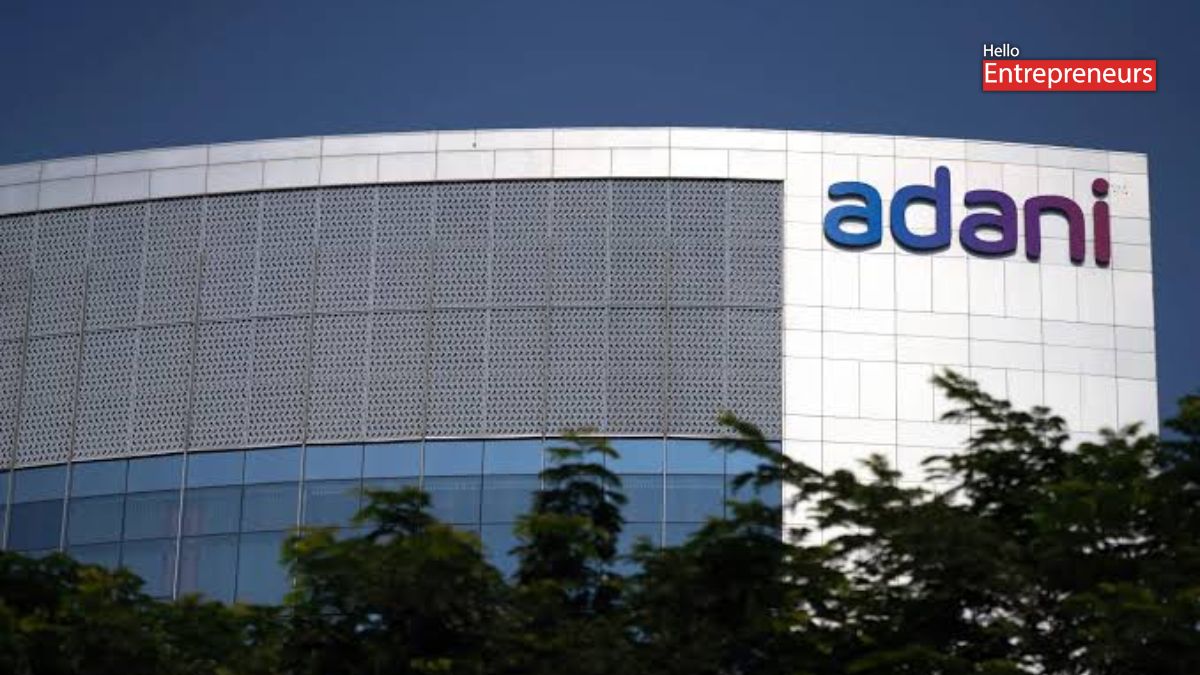
New Delhi: Gautam Adani’s business empire is entering another aggressive expansion phase. From ports and airports to power, renewable energy, data centres and defence, the Adani Group is putting billions of dollars into infrastructure. The strategy could benefit from India’s long-term growth, but it also raises a bigger question: Can such massive spending eventually generate strong returns?
The scale of the investment is striking. The Adani portfolio reported its highest-ever capital expenditure in FY26, with more than ₹1.5 lakh crore invested across infrastructure and related businesses. The group says this was among the largest annual capital-spending programmes by an Indian corporate group.
The spending is spread across several businesses. Adani Ports is expanding its ports and logistics network, while Adani Energy Solutions is investing in transmission infrastructure. The group is also expanding its renewable-energy capacity and building new power projects.
Adani’s ambitions are now moving into digital infrastructure as well.
The group has been positioning data centres and artificial intelligence as the next major growth opportunity. At its 2026 annual meeting, Adani outlined plans covering power, data centres, ports and AI, including a target of 45 GW of power capacity and a major expansion in data-centre capacity.
There is a clear reason for this strategy.
India needs enormous amounts of electricity, transportation infrastructure and digital capacity over the next decade. The government’s own capital spending is also supporting infrastructure development, creating a favourable environment for companies with large infrastructure businesses.
But the size of the opportunity is also the biggest risk.
Infrastructure projects require huge upfront investment and often take years before they produce attractive returns. Borrowing costs, project delays, regulatory changes and weak demand can reduce profitability.
Adani Ports offers one example of what successful execution can look like. In FY26, the company reported ₹38,736 crore in revenue, ₹20,358 crore in operating cash flow and a consolidated return on capital employed of 16%. It also spent ₹15,320 crore on organic capital expenditure.
That suggests the group’s infrastructure model can generate significant cash when assets reach scale.
But investors will be watching whether the newer businesses can deliver similar economics.
Data centres and renewable energy may become huge industries, but they also require continuous investment. The challenge for Adani will be to ensure that expansion does not simply make the group bigger, but also makes it more profitable.

