



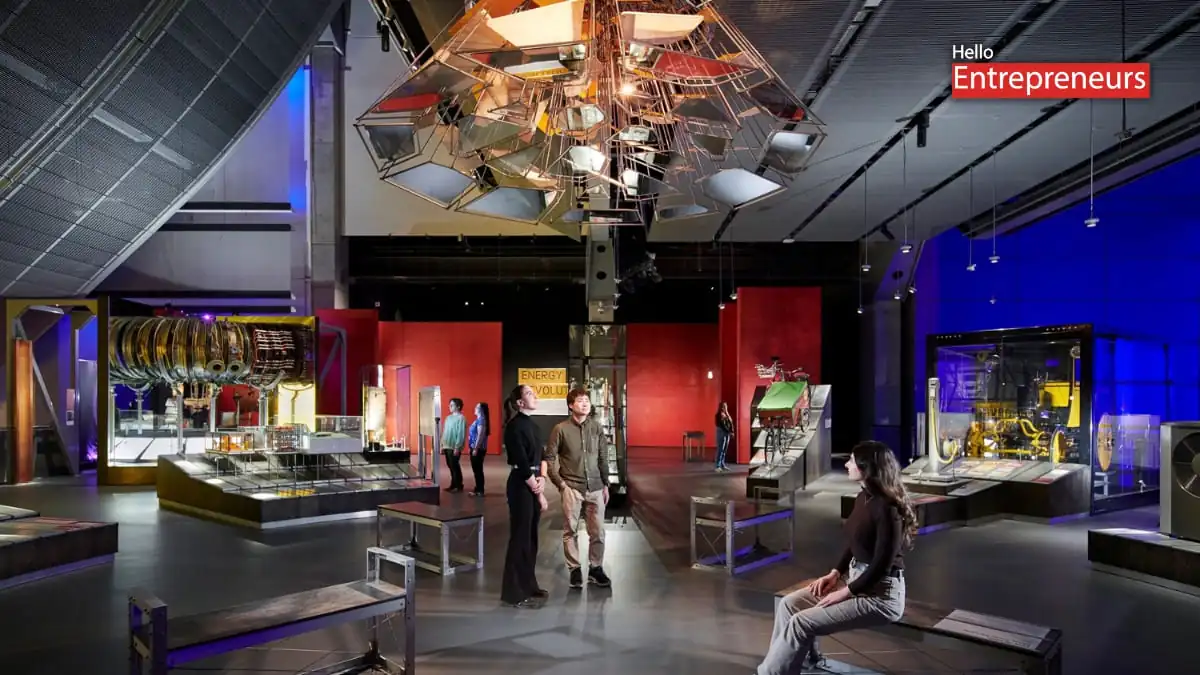
New Delhi: The Adani Green Energy Gallery at the Science Museum in London has received more than a million visitors already since it was launched in late March 2024. The free exhibition, which is named Energy Revolution, can be described as the way energy is created and utilized as well as the reasons why clean energy is necessary in the future.
The gallery combines ancient and contemporary items with computer screens and models. It consists of three broad sections which demonstrate the history, current and future of energy. One of them, Future Planet, allows individuals to experience an interactive game created by the UK Met Office. It makes the visitors realize the way various climate decisions can transform our planet. Scientific instruments such as an air-sampling flask that is used to analyze the air and a satellite instrument that measures the temperature of the sea are also displayed in the gallery.
The gallery has been visited by over one Million school going students on school trips and counting. Students and families like it as it has simple display and activities that make learning clean energy fun as well as easy to learn. The Science Museum claimed that the gallery has made many discuss the use of energy in a better and cleaner ways.
The gallery has been made in such a way that it saves on resources. The designers recycled over 200 old metal shelves that were used in the museum to display the objects, used aluminium which can be recycled and LED lights which save energy were added. This sustainable design also received an award in its sustainable work.
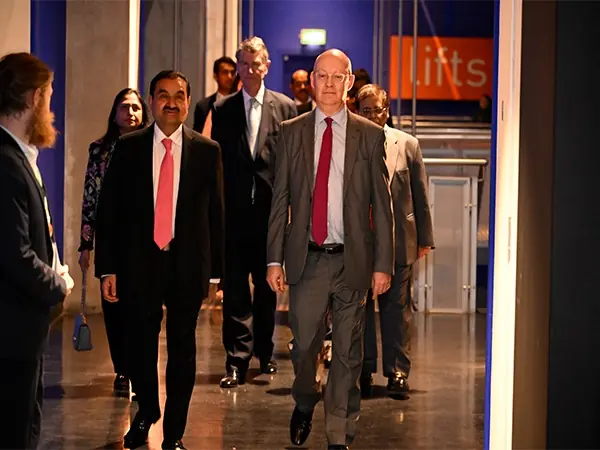
Sagar Adani, the Executive Director of Adani Green Energy, explains that the gallery has made a great impact on a number of people and demonstrated how education can be used to create a greener world. Its Director Ian Blatchford, said he was delighted to see the gallery had a million visitors and that he would like to say a thank you to everyone who helped to make it happen.
The gallery is open to all people and it is situated on the West Hall of Level 2 of the Science Museum. It still has school groups and visitors who visit to learn more about energy, climate and the environment.

