



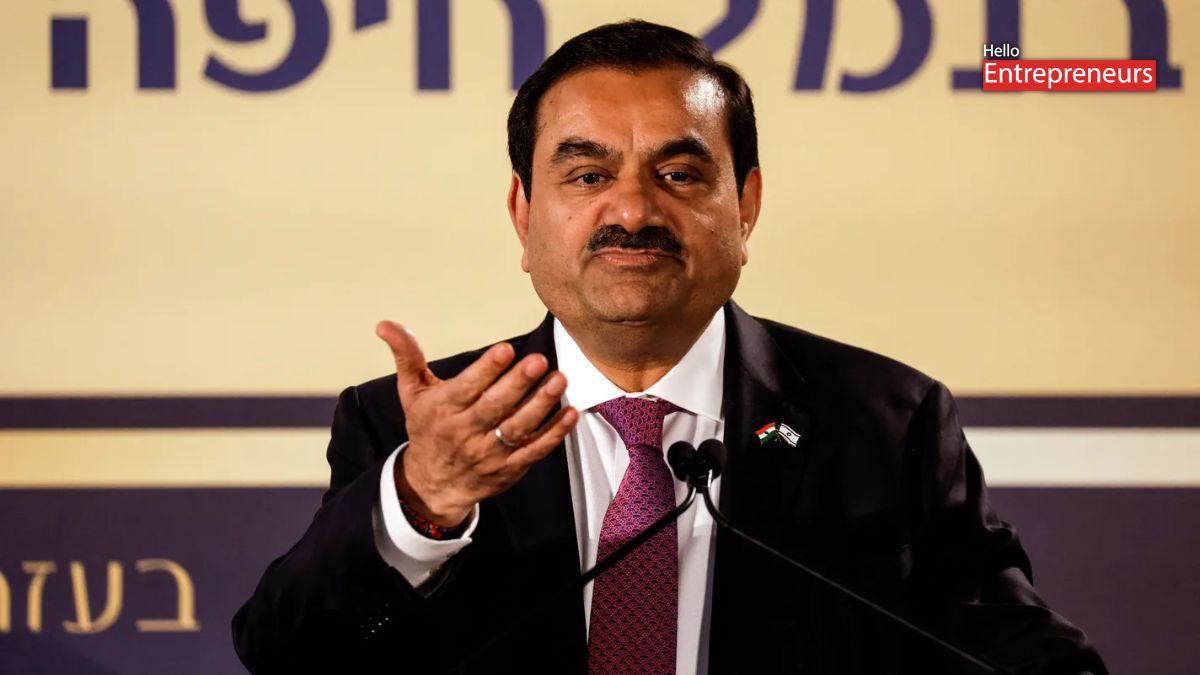
New Delhi: Even though Gautam Adani has won a significant case in the United States, the completion of the criminal trial doesn’t end everything related to the controversy.
U.S. Justice Department had asked a federal judge to drop the charges against him and his nephew Sagar Adani in the criminal fraud and bribery case, which was dismissed on August 10, 2026. It had become one of the biggest case to deal with for the Indian billionaire and his business empire.
The initial case from 2024 alleged Adani and others were involved in a scheme to bribe Indian officials to win solar-energy contracts, as well as deceive U.S. investors.
Adani and Adani group have rebutted the claims.
It’s important because it’s the U.S. court’s latest action and the charges are now formally dropped. The reasons for the firing are unusual, however.
Judge Nicholas Garaufis harshly faulted the Justice Department’s decision-making process. He suggested that senior officials should explain why they would drop such a huge case and noted some of the tactics used by prosecutors.
But the Justice Department had other arguments.
Prosecutors said that the case was for conduct outside the U.S., difficult to prove and wasn’t aligned with current enforcement priorities.
The judge also spoke on one sensitive question—Adani’s previous commitment to investing $10 billion in the United States.
There appeared to be no evidence that this investment commitment affected the decision to drop the criminal case, the ruling said.
This isn’t something that should be taken lightly.
The dismissal will end criminal prosecution. It is not a court judgment that the initial accusations were baseless.
There are also financial and regulatory issues that are related to the wider controversy.
Adani and his nephew were also paid off in relation to related civil proceedings, and Adani Enterprises also settled with regard to allegations related to Iran sanctions. In the related civil matter, Adani agreed to pay $6 million, and Sagar Adani $12 million with Adani Enterprises agreeing to a $275 million settlement on allegations of the sanction.
The termination of the job release, however, clears one of the looming near-term legal cloudbusting problems of the Adani group.
It could also assist the group in building international investor and lender relations, as Adani expands its massive infrastructure growth.
However, the saga has left one question unanswered.
Why was the U.S. government not pursuing such a big case and why did the judge question their decision?

