



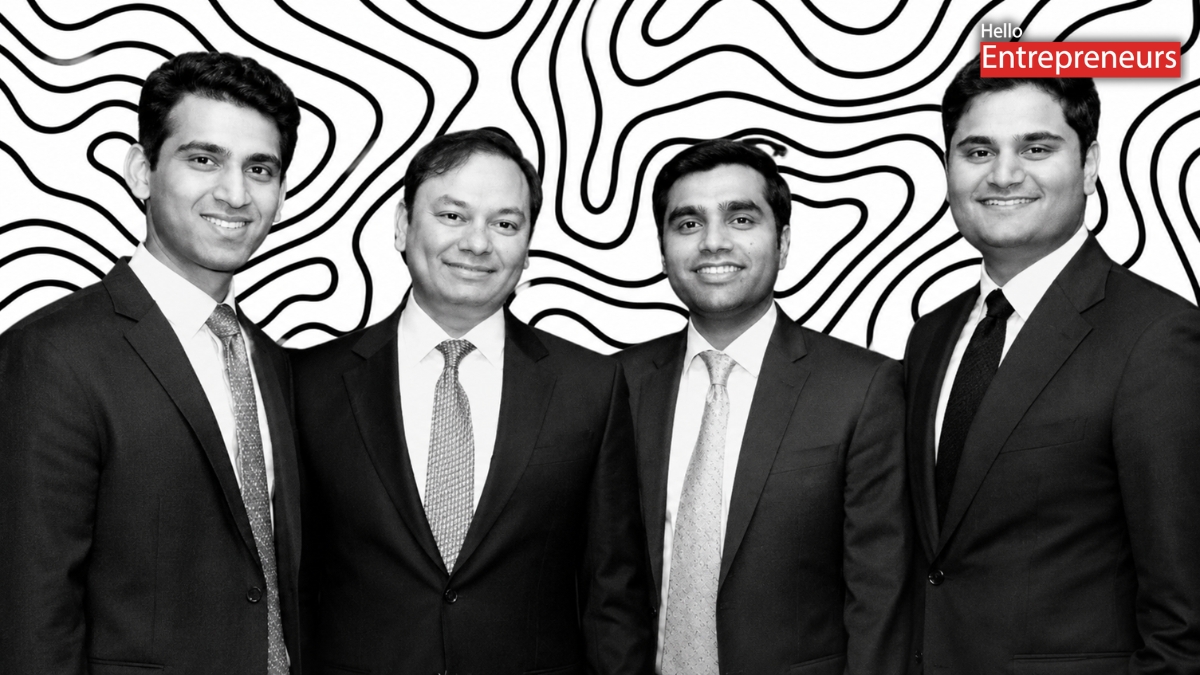
New Delhi: The new name Gautam Adani has given his succession name is “G2”. Pranav, Karan, Sagar and Jeet Adani will be joint leaders. The group is big. This comes from a summary that was circulating on X, and it looks automated but before repeating or sharing this information, check the figures against the filings as FY26 revenue is around ₹3 lakh crore, market cap is above ₹17 lakh crore.
All this is familiar. Adani told Bloomberg back in 2024 that he would retire at age 70 and pass on his wealth to his two sons and his two nephews who would be equal beneficiaries of the family trust. The difference this time is packaging, a team you can point to a long runway!
Who’s actually in charge?
I just can’t seem to get this to work. When the room splits 2-2, four equal heirs is pretty neat until you ask, who signs off? Previous reports had Pranav and Karan as the probable namesakes to take the top two jobs in the body. There isn’t anyone appointed as likelier, nor can I find anything indicating that there has been a naming of a chair.
Who does what is indicated by their current jobs. Karan’s been globalizing ports and logistics. Jeet has been involved in Digital and Defence projects. Pranav is a member of the Adani Enterprises’ board of directors, while Sagar is an executive director of Adani Green Energy. 4 lanes, 4 people. Fine lanes are fine as long as they do not cross.
The $120 billion question
The investment plan is the place where this is put into practice. $120 billion in ports, green energy, airports and AI can’t be handed out like candy and it’s down to people, who for the most part have run divisions and not the entire enterprise. Adani has spoken about an asset with a 35- to 40-year time horizon, which is a very long bet, and those who will live with it are the ones just coming in.
It’s not just funds I would say. That’s difficult for seasoned operators as well in more than 20 sectors. It doesn’t get easy when you take the mantle.
A different model, or just a familiar one?
Indian small family enterprises are not very successful here. The brothers rebel, the cousins sue. The emporers divide. Four of them have been asked by Adani whether the company should be split or not, and they have decided to remain united, he says.
Well, it’s ok and a better idea to pick a team now than wait for later. However, one tribe that has united can unravel, too. If people share a trust equally, they need to continue to agree on it each year as the amount of money they are involved in continues to increase.
The 2024 coverage did mention that there can be disagreements regarding strategy, due to splitting up responsibilities, with regards to friction risk. A ports head is seeking dollars for terminals. An executive for green energy wants it for solar and storage. There has to be a NO.
The people who don’t share the surname
This may be the part that is underutilized. The managers below the succession plan are essential to the plan’s success. The family have direction, the workers are the professionals, they take care of the finances and deal with the regulators. Senior managers must have confidence in the new team and it’s not enough to call them too much or not enough.
From outside, I can’t tell how deep that bench is. I don’t know how much the group has discussed generally about how decisions get made among the family and the execution side, and I don’t want to say that the model is robust until I get a better sense of that. It will appeal to investors too, particularly as the rolling crises that they have been through since facing the allegations from the Hindenburg in early 2023 have finally come to an end.
What happens if they disagree?
No one in the family knows. The trust is not described entirely and the governance agreement between the four is not published. A secret will to determine who will receive the stakes. That can be a family affair. It is not as reassuring when public shareholders hold shares in listed companies.
Bigger than one family
In short, the message to the successors is to question normals, scale up quick and build the businesses for decades, said Adani. A high standard and a fair one. If it works, India’s Second Generation of infrastructure builders are getting the playbook and rewriting it. Otherwise, it costs much more than the family.
The answers will be found in a gradual manner because the plan is slow. So far there are four names, lots of ambition, and one question: when they don’t agree, who will make the final decision?

