



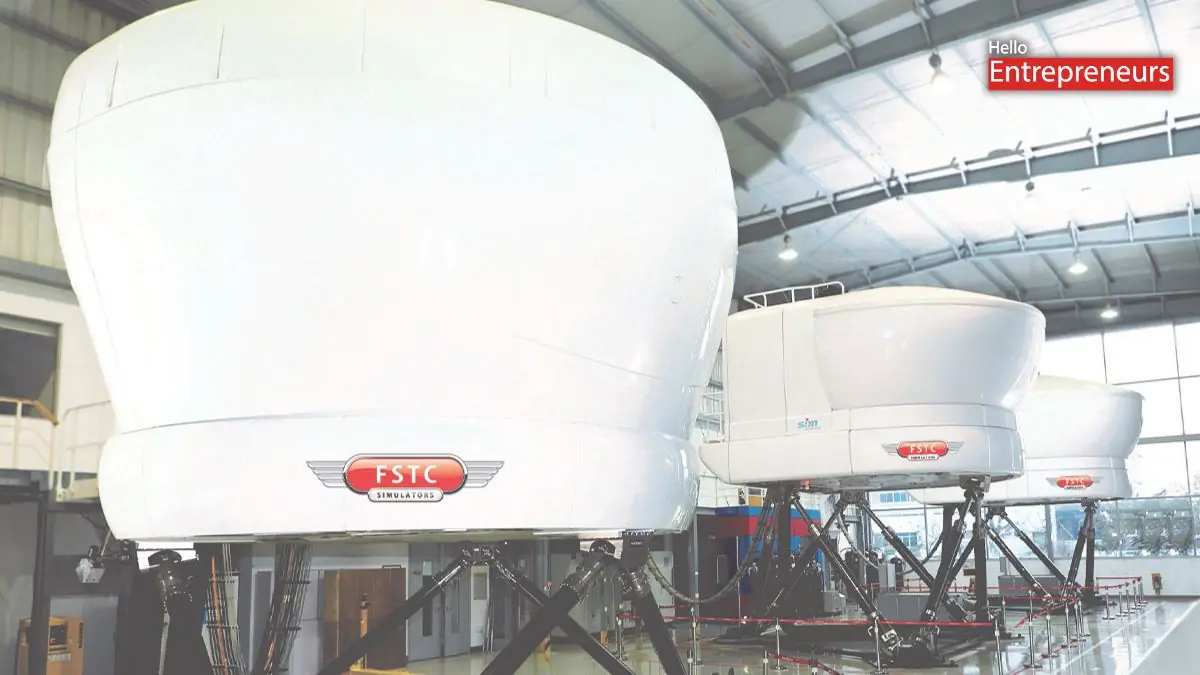
Mumbai: Gautam Adani continues to fuel his ambitious expansion on the back of borrowed money. On November 27, Adani Defence & Aerospace, along with Prime Aero announced the acquisition of a majority 73% stake in Flight Simulation Technique Centre (FSTC) for ₹820 crore. This acquisition is aimed at complementing Adani Defence’s Maintenance, Repair and Overhaul (MRO) vertical, given the increasing demand for such services in India.
Adani Defence and Aerospace is what it is today because of acquisitions, as it is almost impossible for any company to reach the scale and expand its business purely through organic growth. Since its inception in 2017, Adani Defence and Aerospace has made five major acquisitions.
| Company Acquired | Year of acquisition | Stake acquired (in %age) | Vertical |
| Alpha Design Technologies Pvt Ltd | 2020 | 100 | Defence Electronics And Avionics |
| PLR Systems Private Ltd | 2020 | 51 | Defence Equipment |
| General Aeronautics | 2022 | 50 | Commercial Drones |
| Air Works India | 2024 | 85.8 | MRO services |
| Indamer Technics | 2025 | 100 | MRO services |
| Flight Simulation Technique Centre (FSTC) | 2025 | 73 | Flight Training and Simulation |
Though all details aren’t available publicly, Adani Enterprises has spent upwards of Rs.1,200 crores on all of these acquisitions, besides its other investments through JVs for manufacturing drones, small arms and other defence equipment.
Over time, this has made Adani Defence one of India’s leading players in the defence manufacturing and MRO sectors in just 5 years. With this latest acquisition, the company is now looking to expand into pilot training and simulation, given that FSTC is India’s largest independent flight training and simulation provider.
Most of these acquisitions have been made considering the immense potential for growth in the civil aviation and defence sector. Though the anticipated demand may be worth the investments, the challenge for Adani would be to repay the banks, even as the Adani Group has to find a way to deal with the Rs.3.36 lakh crore debt it has accrued to date. The company’s net debt to EBITDA ratio is currently at 3x, below the groups targeted range of 3.5-4.5x, this number has grown due to their accelerated capital investments. Though repaying debt based on this ratio is considered challenging but achievable, it depends primarily on consistent revenue inflows. Despite concerns about its repayment capabilities, the company says its financial discipline remains strong despite the challenges of repaying the debt

