



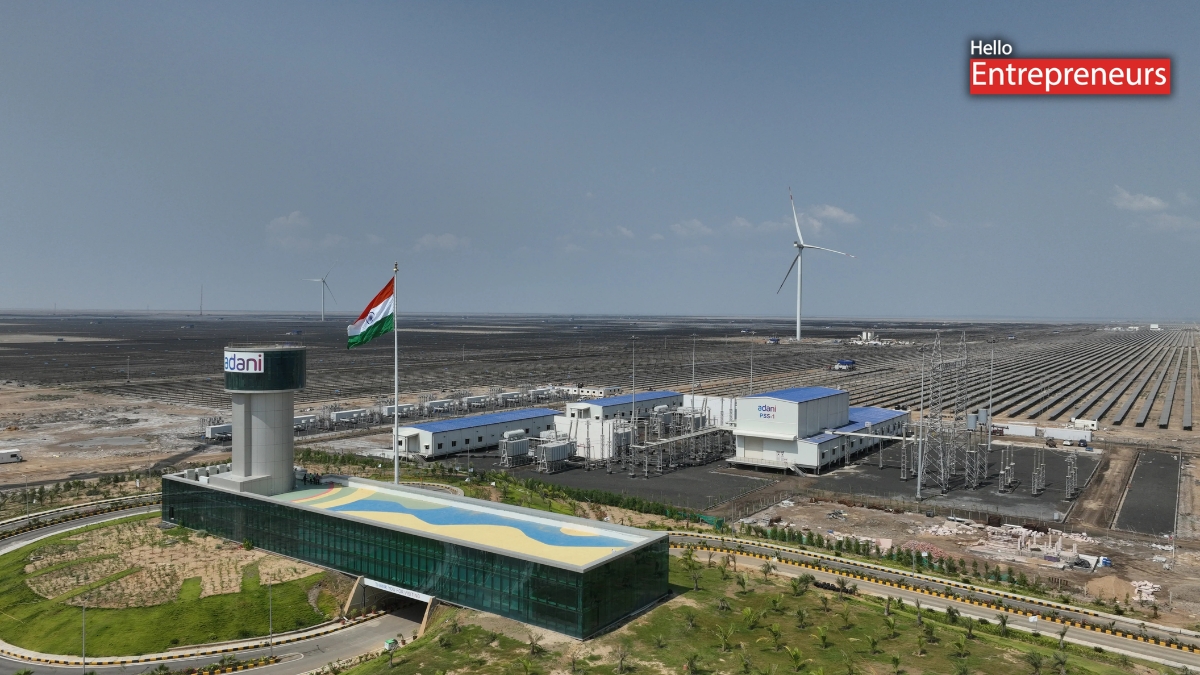
New Delhi: Adani Energy Solutions (AESL) has secured another significant transmission project of ₹4,700 crore in Maharashtra, as India strives for renewable energy. The project will facilitate sourcing up to 4,500 MW renewable and storage power from Karnataka to the lion share of power consuming regions in Maharashtra.
The project, which was awarded under the Tariff Based Competitive Bidding process, will be based on strengthening power transmission network around Satara, Pune and Mumbai Metropolitan Region. It is expected that it will be completed within a period of three and a half years and will bring 562 circuit kilometres of transmission lines and 9,000 MVA of transformation capacity.
Why this project matters for India
India is rapidly increasing its solar, wind and other renewable power capacity. But generating clean electricity is just a part of the problem. That electric has to be delivered to homes, businesses and industries as well. So, as crucial as new renewables, is a more robust transmission network.
This can be addressed through the new Maharashtra project, which aims to establish a better connectivity between the renewable energy generation areas and the areas with high electricity demand. This might enable greater supply of clean energy into urban areas and industries, and alleviate strain on current transmission systems.
It is more and more necessary to have such infrastructure in place. There have been estimates in the industry citing transmission constraints and delays as a challenge for renewable energy to grow in India, with a need for significant investments in the immediate future.
Boost for pumped storage energy
Support to pumped storage project of 4.5 kW in Satara, Pune and Mumbai are also components of the project. Pumped storage can operate as a large energy storage system. It is able to store energy during periods of lower demand, and release it during periods of higher demand.
It’s crucial because producers of solar and wind energy do not generate electricity at the same level day after day. Efficient storage will enable renewable energy to be more reliable and reduce the reliance on fossil fuels for electricity generation when demand is high in India.
Supporting India’s 2030 clean energy goal
India has pledged to achieve 500 GW of non-fossil energy power generation by 2030. In bringing this target to passa, projects like Maharashtra transmission network will be significant.
The project also demonstrates the future energy mix in India to be dependent on a mix of renewable generation, large energy transport system and energy storage solutions.
The project underscores Adani Energy Solutions’ commitment to the rapidly expanding power infrastructure market in India. For India, its greater significance is the ability to integrate more renewable energy into the national grid and provide it to the correct locations.
Better transmission infrastructure in the long term could lead to improved grid stability, increased clean power generation and better service to the country’s growing urban areas and industries. The project, worth a total ₹4,700 crore, is thus a business triumph but also a signpost of the infrastructure India must have for its next stage of growth in energy production.

