




With the number of sellers dwarfing market demand, standing out amongst the crowd remains one of the biggest challenges for businesses. Customers in 2026 are far more educated and informed, basing their purchasing decisions not just on quality and usability, but also on the brand’s personality and theme.
In a crowded market where product market share is inexplicably linked to brand success, customers now prefer brands that value genuine environmental sustainability. Customer-facing brands across FMCG, Electronics, Hospitality, and Travel are now aligning with these business practices to drive demand.
Aligning to ESG (environmental, social, governance) principles

Many brands have been accused of exploiting the environment or underpaying labour in developing countries to meet customer expectations. Though these allegations have been highlighted intermittently in the media, brands that claim to source or manufacture their products while caring for the environment have generally earned the trust of customers.
In India, Amul dairy has been a prime example, with its cooperative structure redistributing profits to farmers and rural women while ensuring environmental sustainability through BioCNG, waste-to-fertilizer plants, and more.
Sustainable Packaging, Eco-Friendly Design
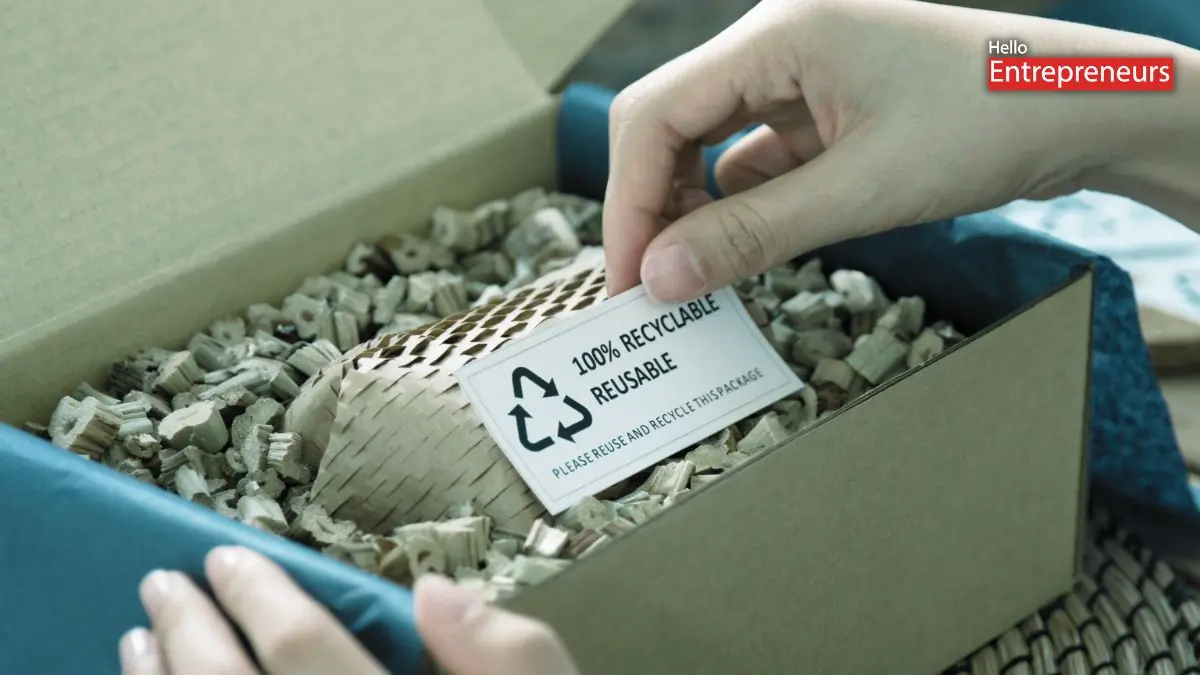
Plastic packaging has been everywhere, and its impact on the environment is well-documented. Many brands have switched to eco-friendly packaging, or have aligned their products’ design to reduce waste as a means to stay relevant.
As a means to stay relevant, many eateries in high footfall areas now use eco-friendly disposable cutlery made from bagasse (a sugarcane residue) or recycled paper as a way to stand out.
Energy Efficiency, Resource Optimized Solutions
Many products that you may take for granted- your home tubelights, your clothes, or your washing machine- may come to you after creating a lot of pollution during production or their use, and have sparked concern amongst environmentalists.
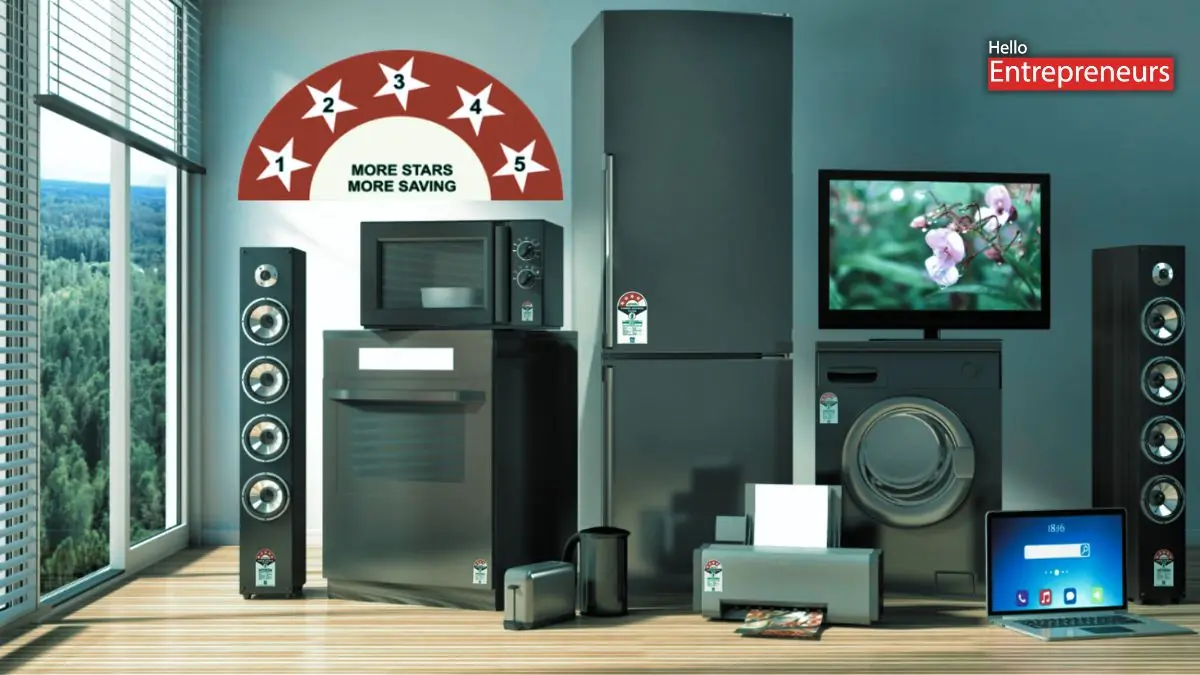
To allay these fears, many showcase their manufacturing processes, including how they reduce resource use locally. Your washing machine, dishwasher, and even fan promise energy efficiency, a marketing USP that has been a tried and tested way to attract customer attention.
Ethical Supply Chains

There have been many accusations of forced and bonded labour used in coffee, cocoa plantations, and various industries across the developing world. Various environmental groups and documentaries have highlighted the issue in the public domain, which, in turn, has impacted various brands.
To this day, certain brands guarantee sourcing ethically, paying labourers well, or investing in their well-being. Some food brands even go further, saying that their eggs and meat are chemical-free, with the chickens not confined to a coop and fed a diet of natural greens.
Credible Sustainability Certifications, Reporting

Brands regularly apply for, and showcase their sustainability certifications, including the ISO manufacturing series, LEED, and various international sustainability frameworks. These frameworks act as unbiased, regulatory-approved markers of the product’s sustainability certifications, helping customers judge the efficiency and reliability of the claims made by the manufacturer.
For example, most electronics come with a five-star energy efficiency rating by the Bureau of Energy Efficiency (BEE). A higher star rating, prominently displayed on product packaging, has remained the primary barometer for purchasing decisions, motivating manufacturers to improve their ratings to boost sales.
Sustainability-Led Innovation
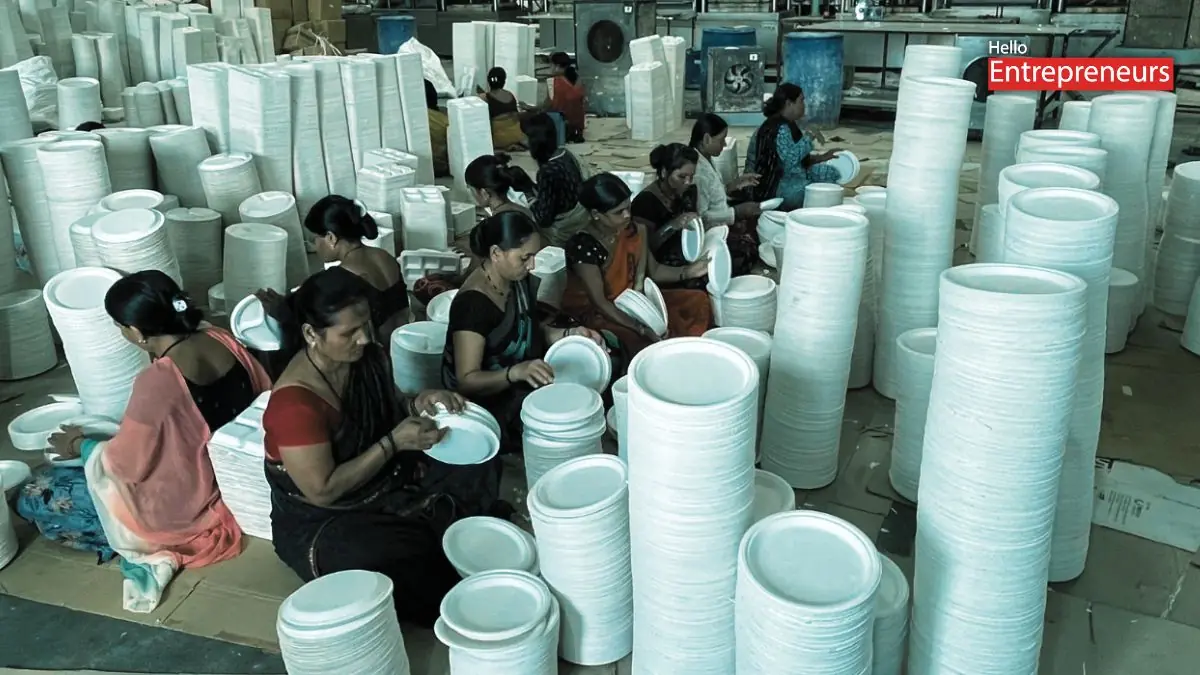
Innovations that actually address pollution while meeting the buyers’ requirements have been highly appreciated and have seen a surge in interest over the years. Common examples include bioplastics that disintegrate in the landfill or packaging that serves a purpose other than just protecting the product.
In India, ZeroCircle, with its sustainable packaging solutions, and Bamboo India, with its bamboo-based product range, have been highly appreciated and are seen as niche brands with a premium offering.
Genuine Corporate Social Responsibility

For brands, Corporate Social Responsibility isn’t just about giving back; it’s about a genuine concern for society, the environment, and customers as a whole. Many brands, especially in the FMCG space, routinely highlight their CSR activities to showcase that they care about society more than just about profits or expansion.
Coca-Cola, Pepsi, Amul, and other brands routinely showcase their CSR activities through their marketing campaigns, aiming to create an emotional connection with customers while boosting brand reach.
Various initiatives, such as the Coke Studio Bharat platform, have helped boost indie songs among the masses while strengthening Coca-Cola’s brand amid increasing competition.