



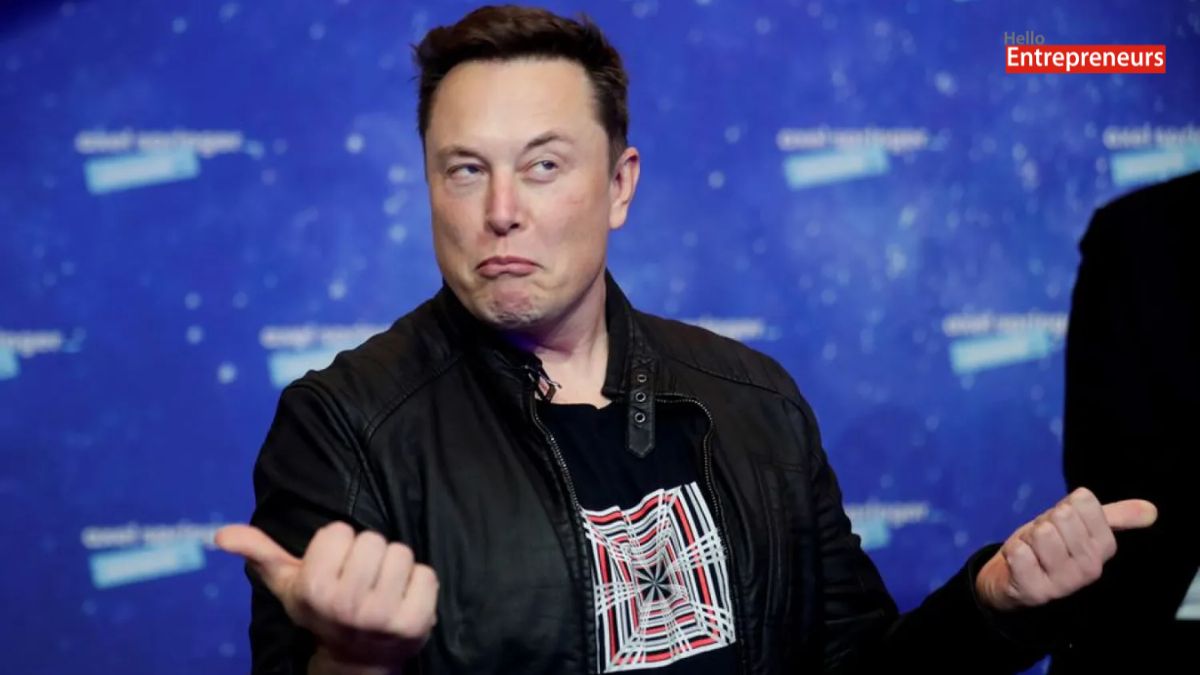
New Delhi: Elon Musk has criticised what he described as excessive regulation in the European Union, arguing that strict rules can slow the development and deployment of emerging technologies.
Speaking at a technology-focused meeting in the United States, Musk said countries should create an environment in which new technologies are generally legal by default rather than facing restrictions before they are developed at scale. He pointed specifically to the European Union, saying its regulatory framework is unusually extensive and can slow technological progress.
Musk’s comments come as governments around the world are attempting to balance rapid advances in artificial intelligence with concerns about safety, privacy, cybersecurity and consumer protection.
The European Union has taken one of the most comprehensive regulatory approaches to artificial intelligence. The EU AI Act, adopted in 2024, establishes rules based on the level of risk associated with different AI applications. Some provisions began applying earlier, while additional transparency requirements took effect from August 2, 2026.
The European Commission says the framework is designed not only to manage risks but also to support Europe’s position in the global AI market. The EU currently has plans to mobilise €200 billion to boost AI development and finance up to five AI gigafactories. The Commission also says 19 AI factories are being developed across 16 member states, with most expected to become operational by the end of 2026.
The EU has also introduced measures aimed at reducing the administrative burden associated with digital regulation. A regulation simplifying parts of the AI rules was adopted in July 2026.
Musk’s criticism therefore comes at a time when the European policy debate is moving beyond whether AI should be regulated to questions about how regulation should be implemented without restricting investment and innovation.
Supporters of stronger rules argue that advanced AI can create risks that cannot be addressed through market forces alone. The European Commission, for example, has highlighted concerns around AI-enabled cyberattacks, including the possibility of systems identifying vulnerabilities and automating attacks at greater scale and speed.

