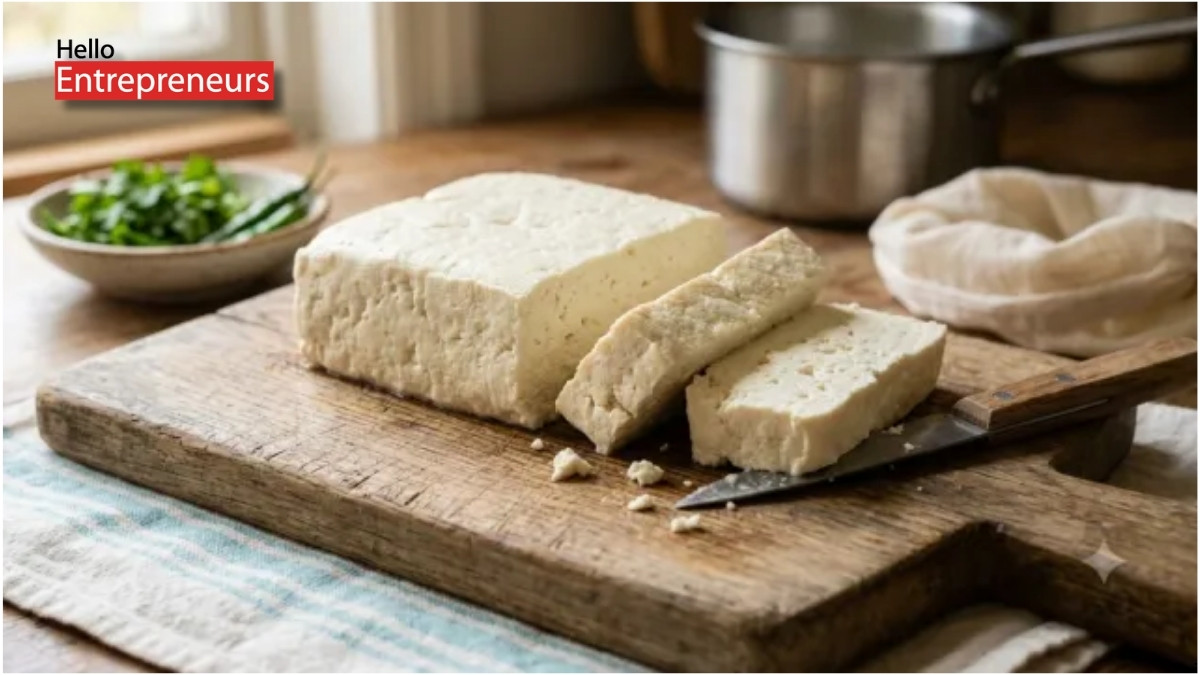








New Delhi: The paneer in your curry may look just like the paneer you eat, taste just the same and even be the same soft. But not every product being sold or used as a substitute paneer is prepared in the same way. That distinction is now back in focus after FSSAI chief Rajit Punhani said he had asked the food regulator to consider a nationwide ban on analogue paneer.
Punhani told NDTV that FSSAI is expected to hold a meeting with all states next Thursday on the matter. In the event all states give a go-slide, the regulator could proceed to ban analogue paneer in all states. Several states including Maharashtra, Chhattisgarh, Karnataka and Gujarat have already moved against such products.
For the moment, no such ban exists across the country. It will all depend on the states’ response and the regulatory process that follows.
What is analogue paneer exactly?
In the dairy context, FSSAI refers to a product as an “analogue” when in the ingredients some or all of the constituents of the milk are replaced with non-milk ingredients, but the resultant product has similarity to a milk or milk product either in name, appearance, taste or function.
Simply put, an analogue paneer looks like a conventional paneer, but uses something other than milk, such as vegetable fats or proteins, to replace some dairy ingredients.
This does not mean that not every analogue product is illegal or unsafe. The regulatory issue also relates to how the product is presented, labelled and sold, and whether a consumer will purchase a product thinking it is a conventional dairy product.
FSSAI itself has identified dairy analogues as a separate category within its food-product hierarchy.
Why is FSSAI looking at it now?
Paneer is important in Indian diets, particularly for vegetarians. Punhani said this is part of why states have been pushing to differentiate between milk paneer and substitutes.
FSSAI has already opened up the debate surrounding paneer analogues. Its consultation paper suggested that restaurants, caterers and other food-service businesses that use a dairy analogue should make clear on their menus where it is used. For instance, that the analogue, instead of paneer, was used.
FSSAI has also proposed limiting the unwrapped sale of dairy analogue products, which should be sold in packed form with appropriate labelling.
How could this affect restaurants?
A nationwide ban would impact restaurants, caterers, cloud kitchens and street-food ventures that currently use analogue products.
First up is sourcing. Vendors will have to make sure that their paneer supplies are compliant with any last-minute rules. Restaurants would also likely have to reexamining their menu, suppliers and kitchen inventory if regulations necessitate it.
There could also be cost implications. Dairies, paneer and analogues have different production costs. If the ban meant food businesses that currently use cheaper analogues would have to switch entirely to conventional paneer it could mean higher costs for them.
But the financial impact cannot be determined until FSSAI formally announces the regulations.
What does it mean for consumers?
For consumers, the issue is clear communication.
The current FSSAI framework already recognises dairy analogues and mandates labelling for products where non-milk components replace milk components. The consultation by the regulator has also centred on ensuring that consumers can distinguish between an analogue and a conventional dairy product.
Meaning, when buying packaged products, shoppers should read the ingredients and product labels, and not solely depend on the word “paneer” or its appearance.
The larger conversation will emerge after the meeting on September 24 when India will discuss whether it will impose a nationwide ban on sale or maintain the existing rules concerning labelling and sale of the product.
The proposed ban is currently being debated and has not yet become a broad ruling that applies nationwide