







New Delhi: As India aims to curb its LPG imports, it has come up with a new plan for boosting the supply of the fuel from within the country. The new order specifies certain targets on LPG production for 21 refineries and gas-producing companies. The highest single production target is given to Reliance Industries.
On August 13, the Petroleum and Natural Gas Ministry issued the order. It establishes a maximum combined production capacity of 63,810 tonnes per day (TPD) of LPG by the selected refineries and upstream companies. The targets are hoped to be utilized during the period of LPG scarcity or disruption, in the country.
Reliance gets the biggest target
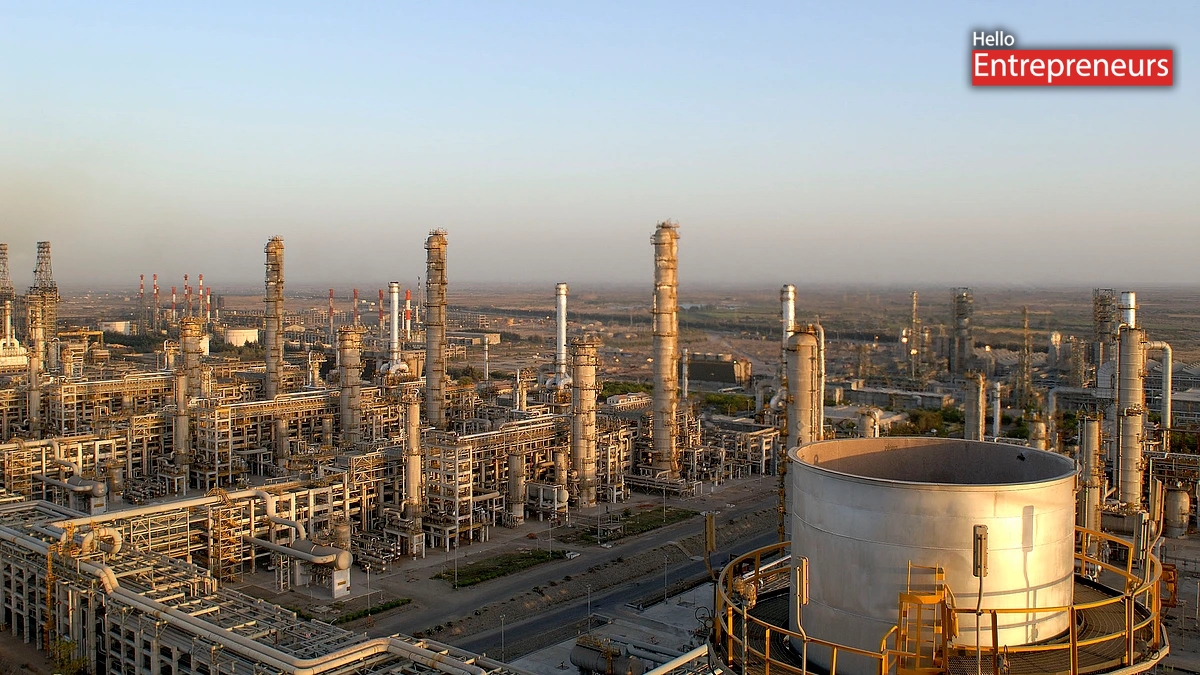
India’s reliance on the domestic market refinery in Jamnagar has been set the highest target of 18 thousand tonnes of LPG per day. The target is for the company’s refinery in the domestic tariff area, which has a capacity of 33-million-tonne-a-year while the company has two refineries at Jamnagar. It has not set any LPG production goal for its own 35.2-million tonne per year export-oriented refinery.
Nayara Energy’s refinery at Vadinar has been given a target of 4,480 tonnes per day. In the meantime, 18 public sector oil companies refineries have been allotted a combined capacity of 31,470 tonnes per day. The gas producers and processors like ONGC, GAIL have also been added, adding to the target of 6,460 tonnes per day.
Why the government took this step
Import of LPG is still high in India. I think the country used about 33.2 million tonnes (or approximately 91,000 tonnes per day) of LPG during the 2025-26 period. The estimated domestic production was approximately 13.1 million tonnes, and there was an estimated import of approximately 21.3 million tonnes. This translates to over 64% reliance on imports for India’s LPG requirements.
In the context of the current volatility in West Asian LPG imports, the need to build up domestic production was realized. The crisis had an impact on supplies and led the government to request refiners to produce more LPG. During the disturbance, domestic production peaked at about 55,000 tonnes/day.
This new order sets out a more permanent framework than relying on emergency measures alone. Government is also proposing to enhance LPG storage and transportation facilities. The production targets are expected to be reviewed on a half-yearly basis to allow them to be adjusted based on demand and supply situation.
The shift is aimed at creating a stable LPG supply chain in India and mitigate disruptions in the LPG market to households and businesses globally. It also provides major domestic refiners with a better role in assuring cooking gas availability in the times to come, in the event of any future supply accident.