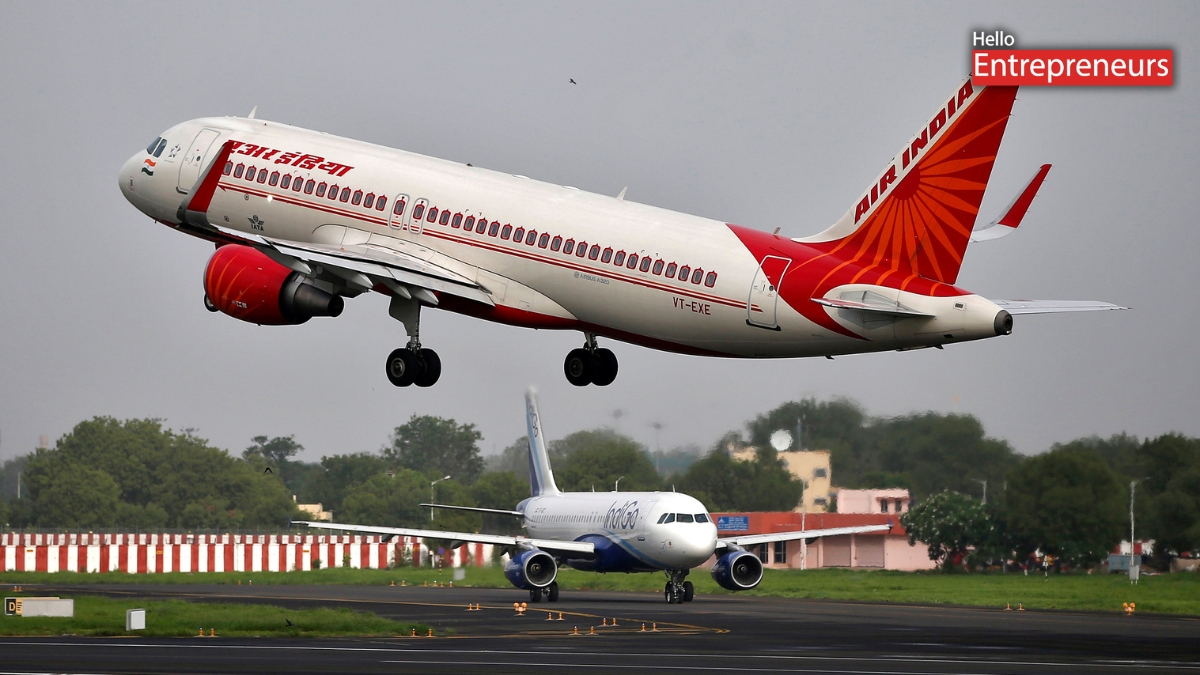








New Delhi: One of India’s oldest and largest airlines, Air India, have been making headlines for the wrong reasons in recent months. The airline has experienced several technical problems and emergency landings, as well as significant accidents and injuries from turbulence, which have been worrying to passengers. Air travel has been one of the safest modes of transportation, but it brings more and more pressure to Air India’s public opinion and regulatory authorities.
The most recent incident occurred on August 4 when the Air India plane from Phuket to Delhi was hit with rough turbulence while en route. For a short time they note a drop in the height of the aircraft, leading them to panic in the cabin. The rest of the passengers and crew had their lives turned upside down, with several people injured as items were thrown about. Though the planes landed safely in Delhi, Indian air force investigators have begun an investigation to determine what went wrong. The flight recorder and a passenger cockpit voice recorder are currently being looked at.
This incident follows the uninterrupted investigation of aviation authorities into a tragedy of Air India Flight AI171, one of the worst aviation tragedies in recent times in India, a few weeks ago. The investigation is ongoing and there is no final conclusion, officials have said repeatedly. They’re investigating all potential reasons for the failure, including technical, operational and human factors, and won’t be issuing a final report until they’ve completed their studies.
In addition, however, Air India has also experienced an increase in technical issues during the last year or so. According to government data, the number of problems increased in the areas of engine oil leaks, fuel leaks, hydraulic problems, and flight control warning. While the majority of the issues have been identified and addressed appropriately prior to their becoming critical, this expansion has caused operators concern about aircraft maintenance and security of their fleets.
Laurence has identified a number of factors that contribute to these problems. Experts in the field describe several factors for these challenges. Under the Tata Group, Air India is in the midst of one of its most massive transformation efforts in its history. The company is also upgrading its aircraft, improving systems and procedures, and merging with other airlines. Meanwhile, it continues to run a number of the aging aircraft until it receives hundreds of new planes. The shortage of aircraft parts and delays in the supply chain have also made aircraft maintenance more challenging.
Even after the recent events, the aviation industry experts emphasize the detailed investigation of all incidents. There are many safety systems in modern aircrafts and the pilots have been trained to deal with the emergence. Authorities, including the aviation regulator in India have closely monitored operations at Air India, ensuring altitudes do not pose risks to passengers any more.
In the meantime questions are still on the cards for Air India. The passengers are eager that their issue of confidence might be addressed by the ongoing modernization of the aircraft, the increase of maintenance checks and the delivery of new planes. The incidents bring important concerns to light, but ongoing investigations will be key to drawing conclusions from the incidents and prevent similar ones in the future.