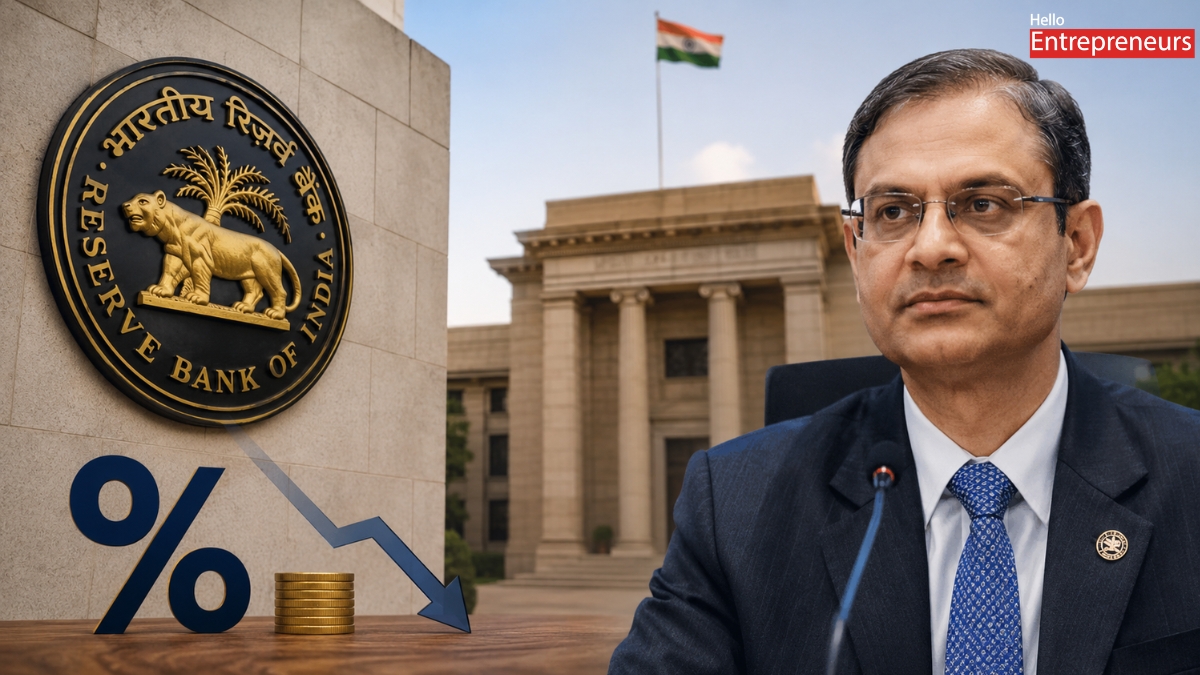








New Delhi: This Wednesday, August 5, the financial crowd across India will be glued to Mumbai. That’s where RBI Governor Sanjay Malhotra walks up and shares what the Reserve Bank’s Monetary Policy Committee has decided. Their job? Figure out whether to keep the repo rate steady or shake things up.
For anyone who’s got a home loan, runs a small business, or just keeps an eye on EMI numbers, this stuff really matters. It’s the invisible number that decides how much interest you’ll pay month after month.
Where things are right now
The repo rate—the one that’s used when the RBI lends to banks—has been sitting at 5.25% since June 2026. That’s not just picked out of thin air. There’s a backstory: the rate used to be 6.5%, until February 2025 kicked off a long stretch of cuts. The RBI chipped away at the rate over several rounds, finally landing at the current number. After that, they paused to give the economy a chance to catch up.
Ever since, they’ve kept their stance “neutral.” Basically, the signal is: “No promises, we’re waiting for better data before moving again.”
Snapshot before August 5:
– Repo rate: 5.25%
– Standing Deposit Facility (SDF): 5.00%
– Marginal Standing Facility (MSF) and Bank Rate: 5.50%
– FY27 inflation estimate: up to 5.1% (was 4.6%)
– FY27 GDP growth estimate: now 6.6% (was 6.9%)
Why economists expect a pause—not a cut
Honestly, the RBI’s job is a bit like driving through thick fog. You don’t want to slam the brakes or hit the gas—it’s all about easing forward, step by step. Right now, two things are making the view hazy: rising global crude oil prices and the mess in West Asia, which is messing up trade and making everyone nervous.
Prachi Kele, Lead Economist at PL Capital, summed it up well. She’s betting the MPC will keep a cautious tone and stick to that “wait for the data” approach. Her take? The repo rate stays where it is.
Madan Sabnavis, Chief Economist at Bank of Baroda, sees the same roadblocks: unstable crude prices, a nervous currency, and no clue when the geopolitical drama will end. With so much uncertainty, central banks tend to stand still rather than make bold moves.
The inflation puzzle
Here’s where things get tricky. Headline inflation’s on the rise, thanks mostly to global energy prices lifting petrol and diesel costs—something almost every Indian has noticed. That’s why the RBI bumped up its inflation forecast for the year to 5.1%, half a point higher than before.
But if you strip out food and fuel—what economists call “core inflation”—the numbers look calmer. And that’s the figure MPC members really care about. If core inflation stays below about 4.5%, don’t expect a rate hike anytime in 2026, even if the overall numbers stay hot.
What this means for regular borrowers
Imagine a homebuyer in Pune who took out a ₹50 lakh loan back in 2023, when rates were higher. Every rate cut since February 2025 has made their EMIs a bit lighter. A pause now? That doesn’t undo the relief—it just means there’s no new relief on the way this cycle. For a small manufacturer in Coimbatore, a steady repo rate means they’ll have predictable loan costs for at least another two months—a welcome break after a year of uncertainty.
On the flip side, savers and FD holders are glad rates aren’t falling further, since deposit rates usually follow the repo with a bit of a lag.
The bigger picture
The RBI isn’t working in isolation here. The GST rate changes from last September gave the economy a ₹2 trillion boost by dropping taxes on tons of items. Consumers and businesses are still feeling those effects. Sure, central banks around the world—like the Fed and ECB—are each doing their own thing with rates, but Malhotra keeps saying India’s decisions won’t just copy what’s happening abroad. They’ll look at what’s going on here.
He said as much after the June meeting: India’s “better placed than in previous episodes of external shocks to manage global headwinds,” thanks to solid forex reserves and a banking sector that’s handled recent global trouble fairly well.
What to watch for on August 5
Aside from the repo rate (which is the big headline), keep an eye out for three things when Malhotra speaks at 10 am:
1. Any tweaks to the inflation and growth forecasts for FY27
2. What he says about crude oil and currency swings in light of the West Asia situation
3. Subtle hints if the “neutral” policy stance is shifting
You can catch the announcement live on RBI’s YouTube channel, X account, or website. At noon, Malhotra will face reporters in a press conference, usually fielding the tougher questions.
Bottom line
Unless something unexpected happens, August 5 is shaping up to be a steady review. It’s not about ignoring problems—it’s about deciding that, with the world so unpredictable, waiting and watching is the smarter move right now. As Sabnavis put it, restraint is probably the safest tool the RBI’s got this time.