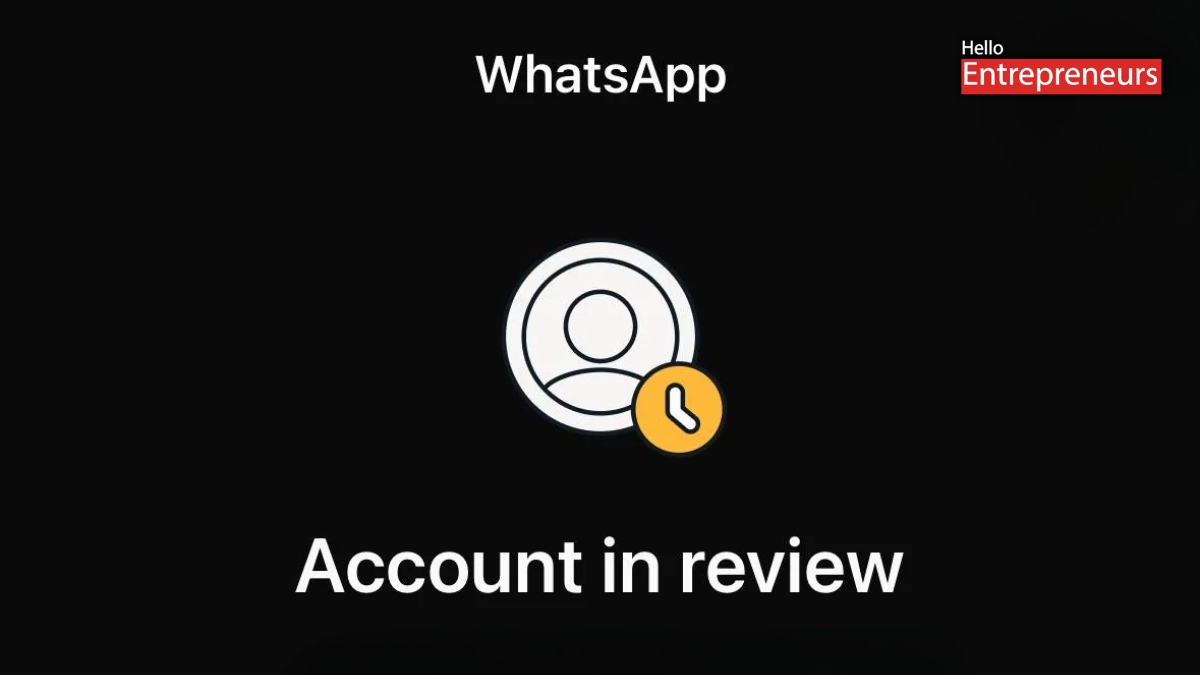








New Delhi: Several users of WhatsApp, including many in India, recently they were taken aback to find their phone numbers unspecified as “Under Review” and their accounts temporarily suspended for up to 24 hours. This unanticipated occurrence prevented customers from being able to send messages, make calls, or access other WhatsApp services. This prompted a number of people to ask an important question, which was widely shared on social media platforms, is there a technical issue or is WhatsApp stealing users’ personal information?
There’s not been any evidence in this case that WhatsApp has been tapping into users’ private conversations or stored more data on users.
Meta, the parent company of WhatsApp, claims the error happened because of a malfunction in its account review process. The company said it was doing its best to get accounts back up and running and that users were incorrectly identified by its safety systems. According to Meta, these systems are meant to identify spam and scams, fake accounts and similar activity that breaches WhatsApp’s Terms of Service. The company did concede, though, that these systems are prone to error and wrongly denying access to valid users from time to time.
This issue impacted users across a number of countries including India. Many users have reported that they received a message that their “account activity and device info” was being reviewed and that this review would typically take up around 24 hours. These users were able to connect again in a few hours, others in longer periods.
The incident has created a privacy concern but security experts believe WhatsApp’s end-to-end encryption has not been compromised. Everything is encrypted from end to end; that is, the senders and receivers are the only ones who can understand the content of messages. Except in normal circumstance, even WhatsApp can’t view personal chats. When it says “account activity and device info” in the review message, it’s usually about the following information: details about the device used, login activities, how much content was used and if it was excessive, information used to detect suspicious activity—etc., but not actual messages sent in private conversation.
Users should expect privacy measures to be placed on their accounts and have cause for doubt wherever they go, but at this time no evidence exists to suggest that WhatsApp is eavesdropping on private chats or gathering new personal data via such an audit. The available evidence, however, suggests that there is a problem with the automated platform’s moderation system.
For those whose accounts are still being reviewed, the safest bet is to wait until the process is over and refrain from reinstalling the application or use unofficial methods to unlock their accounts. Clarifications can be made via WhatsApp Support within the app, if the problem persists after reviewing its number of days.
Meta says it has already begun fixes on some of the accounts it thinks have been wrongly affected, and is working to prevent similar instances from happening again.