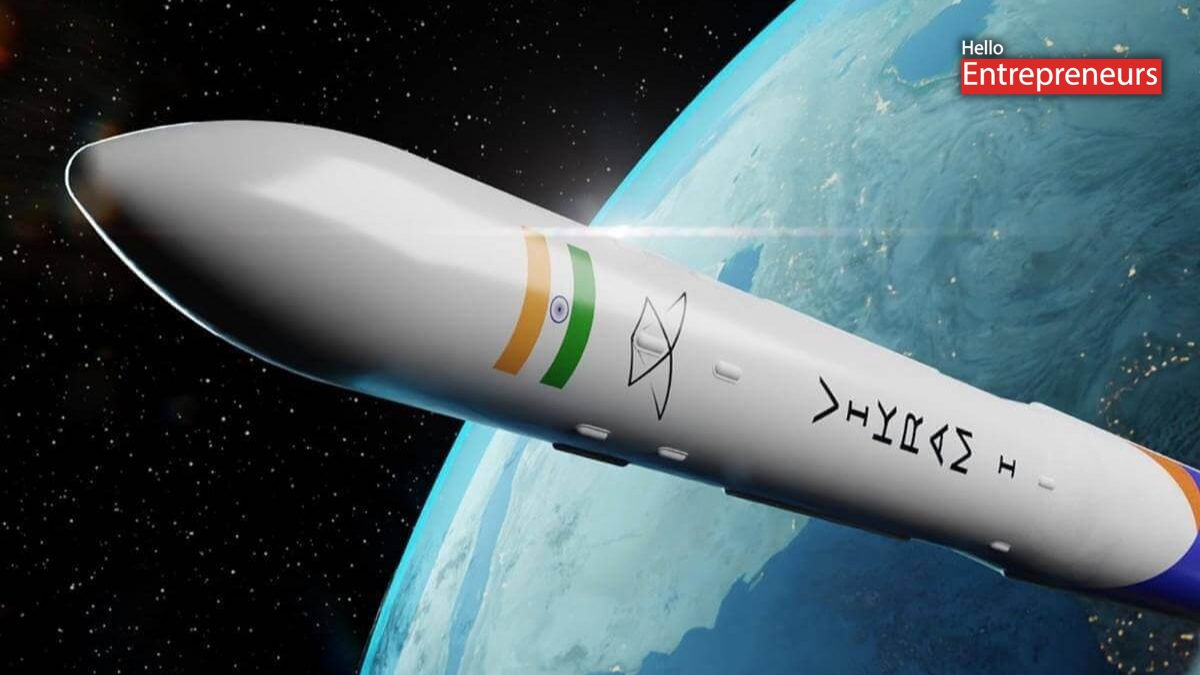







New Delhi: Vikram-1’s success is a historic achievement for ISRO’s private space startups. Vikram-1 is the first rocket to reach space, an achievement by India’s first private space rocket company, Skyroot Aerospace. The mission has demonstrated Indian startups can be a key player in space technology besides the Indian Space Research Organisation (ISRO).
More than just a successful rocket launch. It is the start of a new-age era that private enterprises can help India be a stronger entity in space market. By achieving such success, Indian companies have demonstrated their capability for creating world-class launch vehicles through talent and technology.
Some of Skyroot Aerospace’s most ambitious projects is to construct its very own launch pad. Its own launch complex will offer the company more opportunities for launch with less reliance on the government launch complex infrastructure. This helps to shorten wait time for customers and improve the speed and efficiency of a satellite launch.
As satellites smaller than 500kg increase in popularity all over the world, Skyroot has a huge opportunity. Low-cost, reliable launch services apply to the large number of companies, universities and government agencies that require these types of services. Vikram-1 will be able to launch small satellites into orbit making it a viable platform for Indian and foreign customers. Through flexible and faster service, Skyroot wants to help India become a competitor to the commercial launch service providers in the world.
The private space industry in India is also likely to attract more investments due to the success of Skyroot. It will be more likely that investors would be backing startups for rockets, satellites, space communication and other advanced technologies. This may result in thousand of opportunities for engineers, scientists and researchers and bolster the space ecosystem in India.
The company is also collaborating closely with the evolving space policies in India that have opened the door for private companies to engage in launching services and satellite missions. Such collaboration among governmental bodies and industry can facilitate quick innovation in India, while bringing down the cost of space missions.
In the future however, Skyroot Aerospace is projected to increasingly focus more on their next generation launch vehicles and more commercial services. The satellite launch market in India may be made an attractive option for the rest of the world due to their speedy launch, cheap price and modern technology.
Vikram-1 is no longer a success story of just one company. It is a noteworthy achievement indicating a readiness of the private space industry in India to take up greater challenges. As India continues to pursue space technology, government support, and global interest in space ventures rise, Skyroot Aerospace has the potential to become a critical component of the nation’s space industry and bolster India’s efforts to emerge as a pivotal figure in the global space market.