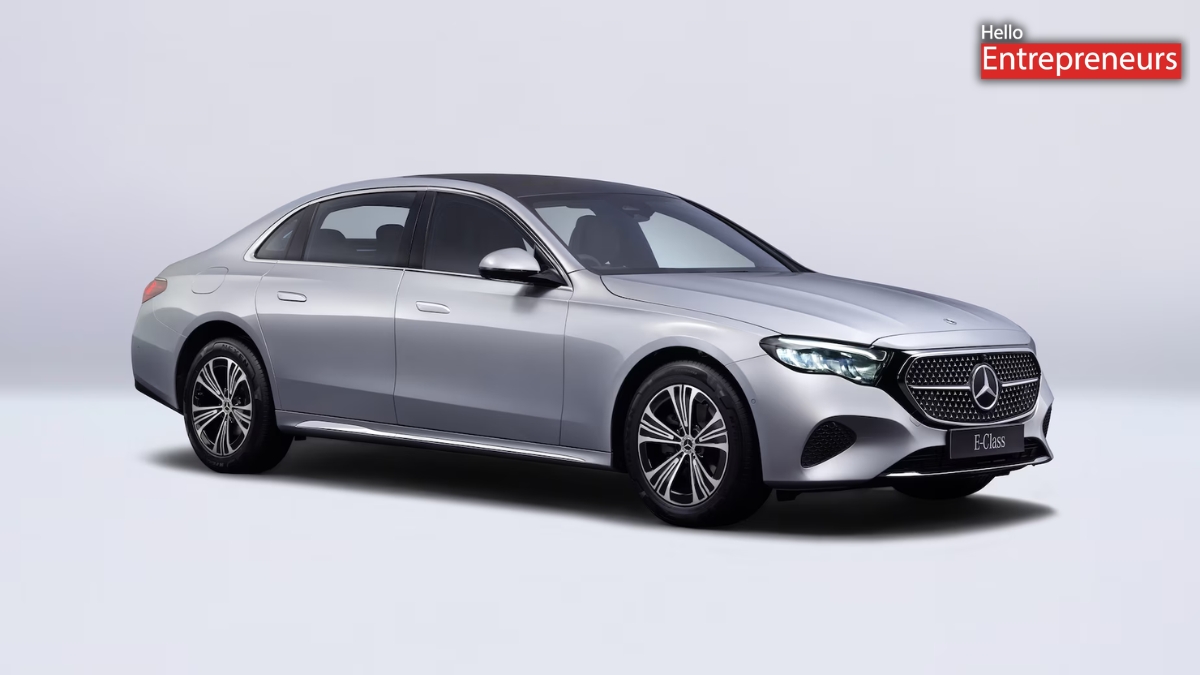








New Delhi: Mercedes-Benz India is claiming that all its petrol-fuelled cars being sold in India are now E25 ready. This will enable the company’s latest petrol models to be used on petrol that contains as much as 25% ethanol, positioning Mercedes-Benz as one of the first luxury car makers in India to be ready with the entire petrol range for petrol blended with ethanol.
The move follows the Indian government’s move to phase out the use of petrol and diesel, and replace them with an ethanol-blended fuel to cut the reliance on imported crude oil and vehicle emissions. Currently, E20 is present in many parts of India, with the expectation that E25 will be released in the market gradually after the government tests and approval.
All petrol vehicles sold on or after January 1, 2026, are ready for E25, said Mercedes-Benz India. It has modified the company’s engines and fuel systems to accommodate the increased amount of ethanol without compromising performance or reliability. This initiative is designed to cater to the future needs of fuel change in these cars and aligns with the mission of clean mobility in India.
It has also been working on technology for ethanol for several months, it said. Earlier, Mercedes-Benz had announced that its petrol versions with BS VI achieve maximum compatibility with E20. The brand has now made an all-out effort with its latest announcement, which sees the complete petrol line able to utilize E25 too.
Ethanol is a renewable energy derived primarily from renewable resources, which in turn are mostly coming from agricultural products like sugarcane and maize. Mixed with petrol, ethanol will lower emissions and promote domestic fuel supplies. Biodiesel, in much the same way, has been a key pillar of the Indian government’s efforts to enhance its energy security and ensure a cleaner transport system. Similarly, ethanol blending is being encouraged by the Indian government to help achieve a cleaner transport system and promote energy security.
Mercedes-Benz India has also called on policymakers to gradually increase ethanol blends. The gradual rollout will provide time for vehicles to adjust, and the company will take older vehicles into account that may not be made to handle higher fuel blends.
The transfer is a reflection of Mercedes-Benz India’s efforts for cleaner fuels and its increasing electric and hybrid lineup, and will not affect the car’s specifications. The transfer does not impact the car’s specifications and shows Mercedes-Benz India’s commitment to cleaner fuels while continuing to provide advanced fuel vehicles as well. With India planning to increase ethanol blending in petrol, these cars that are being sold as new Mercedes-Benz petrol vehicles can be ready for upcoming fuel norms without making any changes to them.